
The semiconductor company is proving that it can surpass a foundry powerhouse in profitability. SK Hynix is set to announce its first-quarter results, which are anticipated to set a new record. The operating profit margin is expected to enter the 70% range, with some securities companies forecasting close to 80% for the DRAM sector alone.
The first-quarter operating profit margin of TSMC, mentioned for comparison, is 58.1%. The emergence of a memory company surpassing the world’s leading foundry in profitability metrics is deemed unprecedented in the industry. According to financial information firm FNGuide, the market consensus is a sales figure of 50.1046 trillion won and an operating profit of 34.8753 trillion won. Recently, expectations for operating profit have risen to around 40 trillion won.
[Key Points of This Article]
▶ SK Hynix’s first-quarter operating profit consensus at 34.8753 trillion won… recently raised to 40 trillion won
▶ Expected operating profit margin of 70%… surpassing TSMC’s 58.1%
▶ Profitability driven by HBM3E supply leadership + recovery in DRAM and NAND
▶ Sales increased by 184% and operating profit by 369% compared to the same period last year
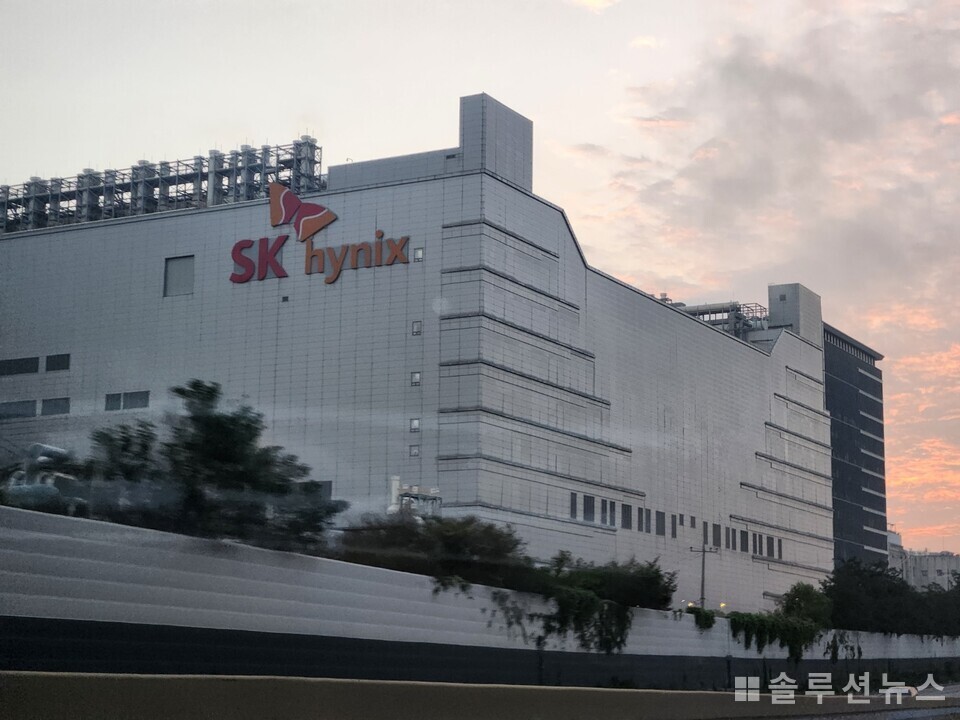
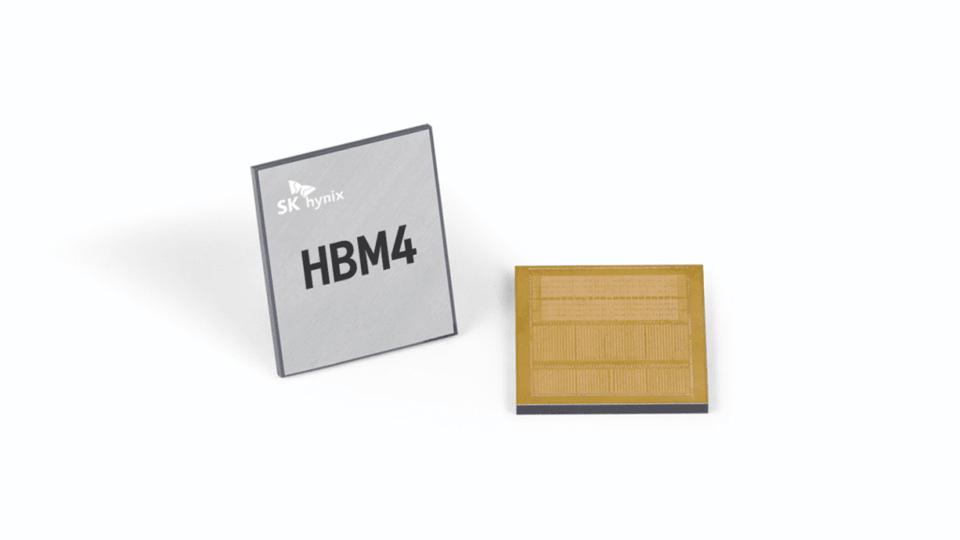
The core pillar leading the improvement in performance is high bandwidth memory (HBM). SK Hynix has secured a dominant position in the HBM3E market, establishing itself at the center of the AI semiconductor supply chain. With the structure stabilized where HBM is attached and supplied to NVIDIA GPUs in AI servers, the ceiling for quarterly results is being raised.
This coincides with a rise in DRAM prices. The expansion of AI data center investments has rapidly increased demand for server DRAM, and customers are moving to secure inventory in advance. This demand-surpassing-supply structure is pushing up prices.
The NAND sector is also in recovery mode. The demand for enterprise solid-state drives (SSDs) is increasing with the expansion of AI data centers, maintaining an upward trend in NAND prices. The current simultaneous positive trend for both product lines is a rare occurrence in the past one to two years.
The reason for strengthening the speculation of entering a “super cycle” is not unique to SK Hynix. Samsung Electronics posted an earnings surprise with an operating profit of 57.2 trillion won in the first quarter. TSMC and Micron also released figures that exceeded market expectations. This is the backdrop against which the semiconductor market is being evaluated as entering a ‘super cycle’.
While there is a focus on structural change rather than cycle debates, there is an analysis that it is difficult to keep up with demand even if supply is expanded in a situation where the memory capacity and bandwidth requirements for AI computation increase multiple times every year. This leads to an interpretation that it is not just a market recovery but a change in the demand base itself.
If a 70% operating profit margin is realized, SK Hynix is expected to enter the top ranks of global semiconductor companies in terms of profitability, even on an annual basis. Some even discuss the possibility of entering the top 3 by next year. There is an evaluation that the speed at which a company that recorded a deficit two years ago has transformed into one that boasts world-class margins is surprising.
Of course, there are variables. Strengthening of U.S. semiconductor export regulations targeted at China, potential adjustment of AI investment speed, and expansion of HBM production by competitors are cited as variables for the second half of the year. Even if the first-quarter performance is confirmed as ‘the highest ever’, market focus is already on what comes next.