
The final piece of the AI empire is memory.
SoftBank sounds out financing for a $1 trillion acquisition; the company says it is not actively considering one.
SK hynix posts 8.3 trillion won in operating profit in the third quarter; financing, corporate governance and government review stand in the way.
[Solution News reporter Gu Su-dam] Masayoshi Son has turned his attention to SK hynix. The figure discussed for a potential acquisition is $1 trillion. SoftBank has already expanded into everything from chip design and AI models to data centers. So why SK hynix in particular? To find the answer, it is worth looking at both the AI business Son has built and the memory market.
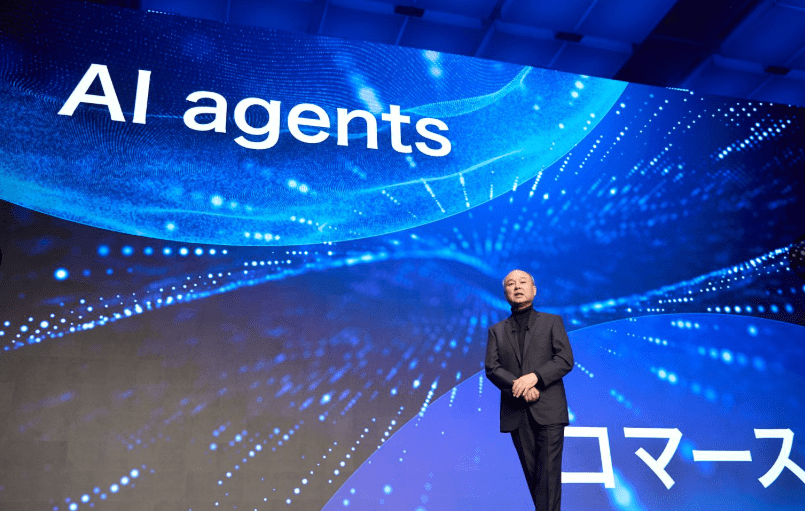
Reports have emerged that SoftBank Group Chairman Masayoshi Son considered acquiring all of SK hynix. The figure discussed was a staggering $1 trillion, or about 1,400 trillion won. It would be a deal of a scale rarely seen in the global mergers and acquisitions market.
The Information, a U.S. technology news outlet, reported on the 20th (local time) that Son had recently spoken with Wall Street financial institutions about the possibility of raising funds for an acquisition of SK hynix. SoftBank said it is not actively considering the deal. SK hynix, for its part, said it was unaware of any related discussions.
The acquisition plan is reportedly no longer being pursued. Still, it is notable that SK hynix was the company Son considered. Why would Son, whose investments span chip design, AI models and data centers, take an interest in a memory-chip manufacturer?
◆ $1 trillion was not an actual acquisition offer
First, it is important to distinguish what is known from what is not. There have been no reports that Son made a formal acquisition offer to SK Group. Nor has it been confirmed that SK Group considered selling control of the company. What was reported is that Son sounded out financial institutions about the possibility of raising funds for an exceptionally large acquisition.
The $1 trillion figure is higher than SK hynix’s market value at the time. As of the 20th, the company’s market capitalization was estimated at about $580 billion. That puts $1 trillion roughly 72% higher. Even allowing for the premium that may be attached to securing control of a company, the amount is substantial.
SK hynix’s valuation, however, has fluctuated sharply this year. Its share price surged on growing demand for AI chips and rising memory prices, before pulling back after the summer. The Information said that applying a control premium to the company’s earlier, higher market capitalization would bring the figure close to $1 trillion.
The precise terms of the deal are not known. The financing structure Son presented to financial institutions and the stake he might have sought to acquire have not been disclosed. There is also no indication that any financial institution agreed to provide funding. It is therefore difficult to view the episode as an actual acquisition negotiation or a finalized deal price.
◆ What SoftBank does not have
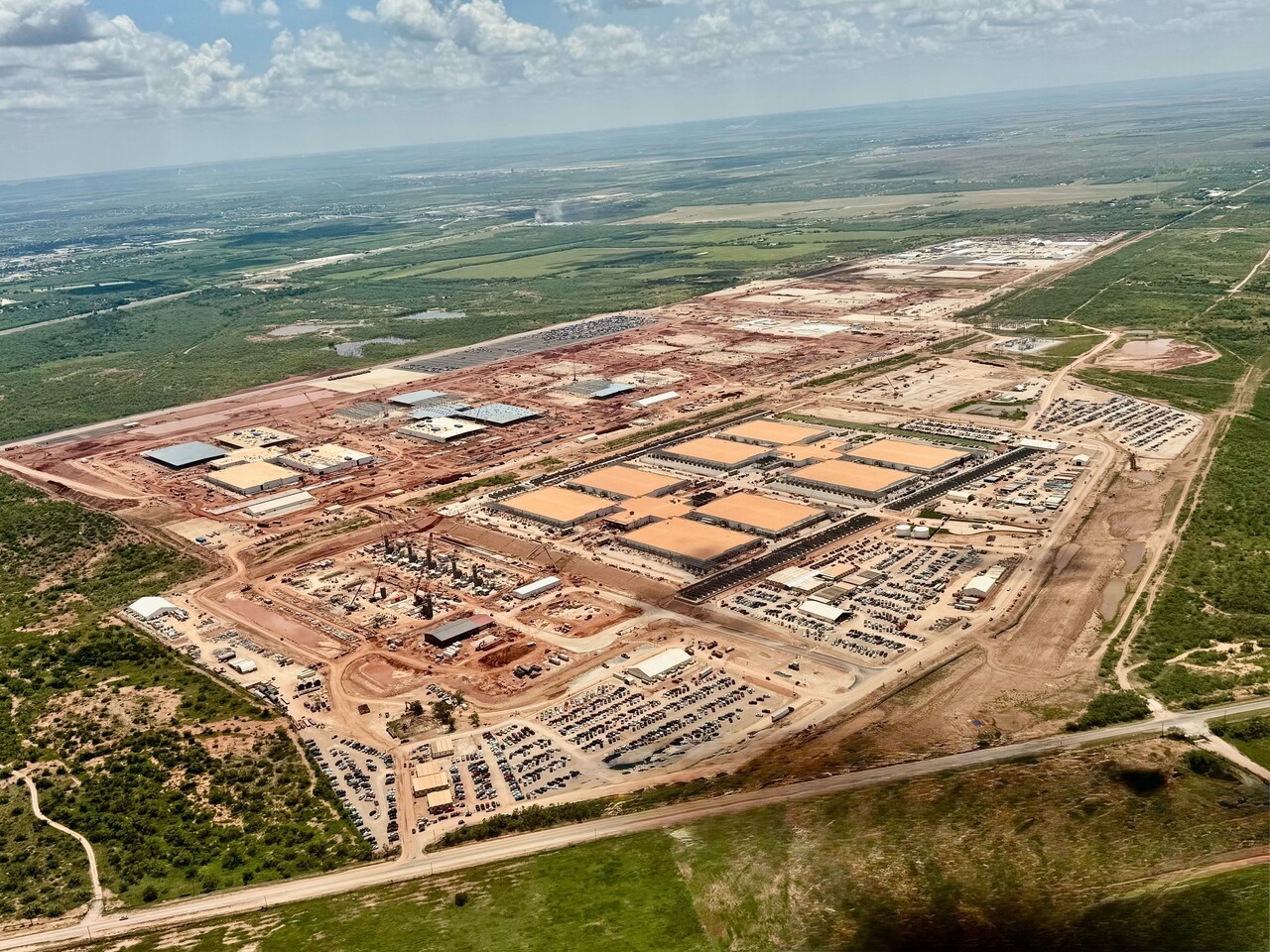
Son has not publicly explained why he considered acquiring SK hynix. But the strategic value of a memory manufacturer becomes clearer when viewed against the AI investment ecosystem SoftBank has built.
SoftBank is the largest shareholder in Arm, a British chip-design company. Arm technology is widely used, from smartphones to server processors. SoftBank has also acquired server-chip design company Ampere Computing and made a major investment in Intel, expanding its influence across the semiconductor industry.
In the AI-model sector, it has invested vast sums in OpenAI. It is also involved in Stargate, a project to build large-scale AI data centers in the United States, and has invested in companies connected to power and data centers. In effect, it has built an investment network connecting chip design, AI models and data-center infrastructure.
But there is an important gap in this structure: SoftBank does not directly produce the high-performance memory required for AI chips. It has invested in chip design and AI infrastructure, but has not secured its own HBM production capacity.
HBM is a type of semiconductor that stacks multiple memory chips vertically to transfer large volumes of data at high speed. It is used by AI accelerator makers, including Nvidia. SK hynix is one of the leading companies in this market, alongside Samsung Electronics and Micron. An acquisition would have allowed SoftBank to expand directly into memory manufacturing.
◆ AI depends on memory
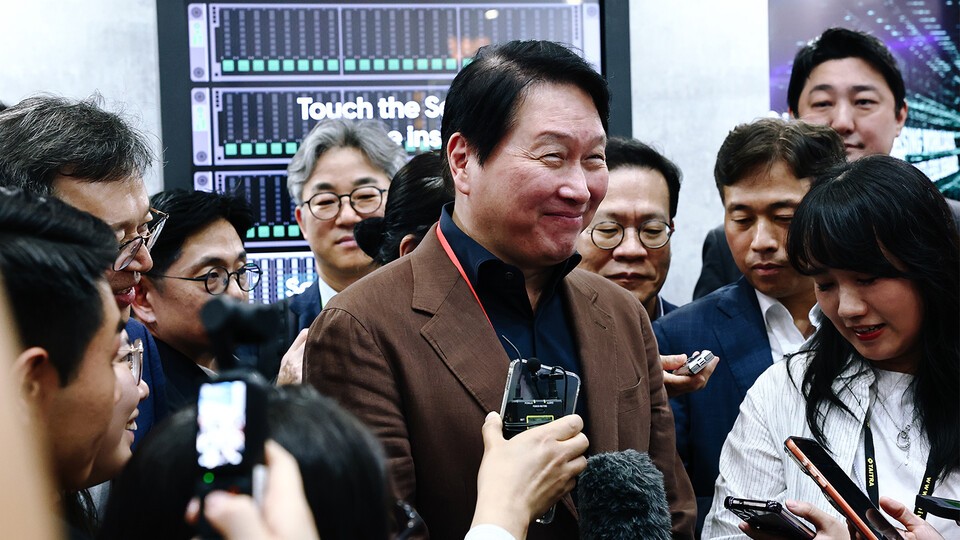
In the AI industry, memory is not merely a supporting component. High-performance GPUs need data delivered quickly enough to carry out large-scale computations. No matter how powerful a GPU is, insufficient memory bandwidth will limit the performance of the entire system.
That is why demand for HBM has surged. As AI models grow and data-center construction expands, the use of high-performance memory is increasing. SK hynix is expanding HBM production and supply to meet this demand. Market research firm TrendForce estimated earlier this year that SK hynix had a 53% to 60% share of HBM production.
It is also difficult to increase supply quickly. HBM is more complex to manufacture than conventional DRAM. Expanding production facilities takes time, and products must also pass customer qualification processes. Even as output rises, shortages can persist if demand grows faster.
SK Group Chairman Chey Tae-won has forecast that the memory supply shortage could continue through 2030. SK hynix is expanding long-term supply contracts, with a significant portion of its production capacity committed to customers in advance. Memory supply has become a factor that could affect the pace of growth in the AI industry.
The Stargate project is not immune to these constraints. In October last year, OpenAI asked Samsung Electronics and SK hynix to discuss memory supply cooperation. The potential demand discussed at the time was as much as 900,000 wafers per month. SK Group said this volume would have far exceeded global HBM production capacity at the time.
Building a data center requires not only buildings and power, but also semiconductors to install in servers. Delays in securing GPUs and memory can affect the schedule for bringing facilities online. A stable semiconductor supply chain is therefore a major concern for SoftBank, which has invested in Stargate.
However, acquiring a memory manufacturer would not mean being free to change existing supply contracts. Agreements with customers such as Nvidia, product qualification requirements and production limits all impose constraints. The strategic advantage of an acquisition would lie in having a role in long-term investment and production planning.
◆ 8.3 trillion won in operating profit in three months
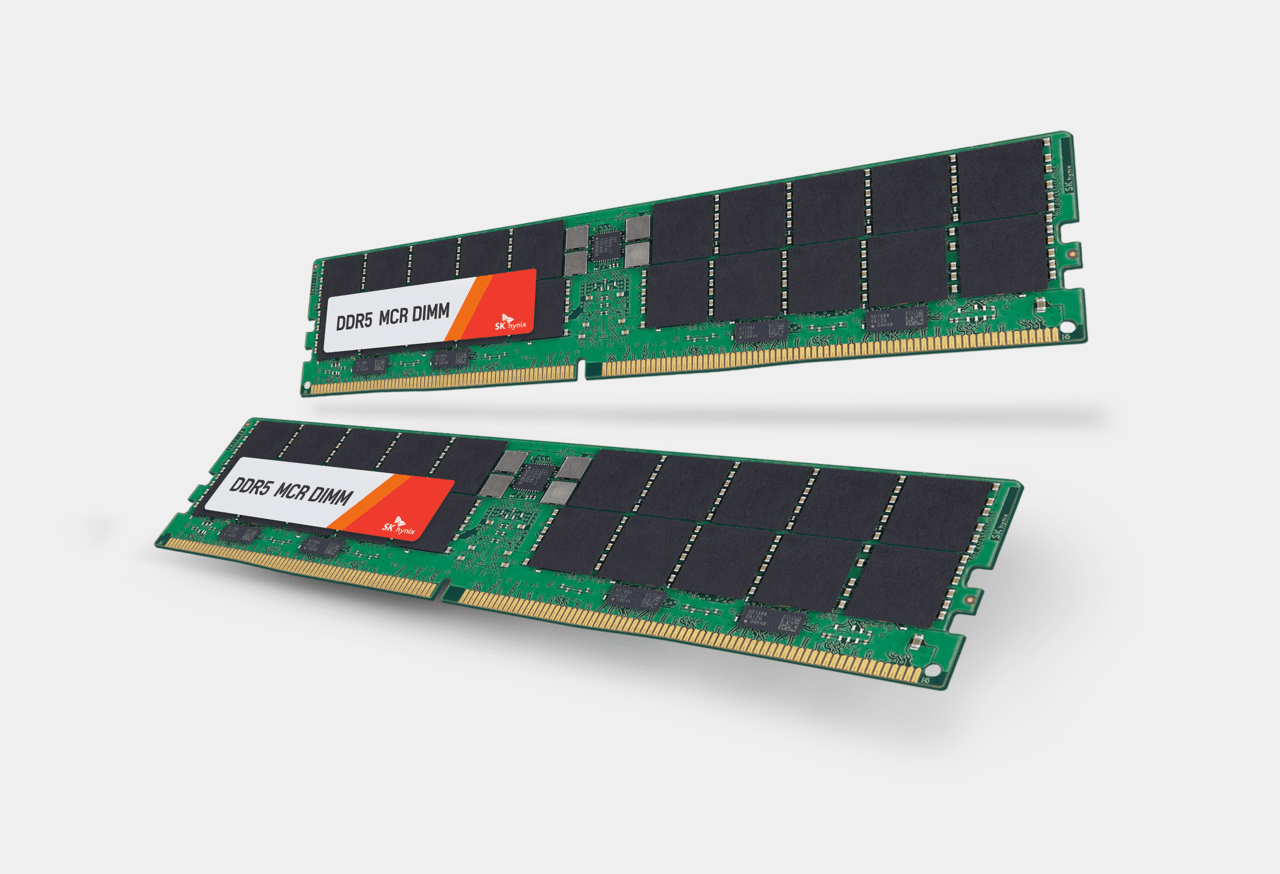
SK hynix is attracting attention not only for its technology. The surge in demand for AI memory is translating into stronger financial results.
SK hynix reported revenue of 104.6155 trillion won and operating profit of 83.3338 trillion won in the third quarter of this year. Its operating margin was about 79.7%. It was the first time the company’s quarterly revenue exceeded 100 trillion won. Expanded sales of HBM4 and high-value server memory helped drive the results.
Simply annualizing the quarterly profit would put it at about 333 trillion won. That is more than 40% of the company’s market capitalization of approximately 777 trillion won as of the 20th. This is only a fourfold extrapolation of one quarter’s results, however, and is not the same as an actual annual earnings forecast.
The memory industry is a classic cyclical business. When supply is tight, product prices and profit margins can rise sharply, but conditions may change as production increases. It is difficult to assume that today’s high profitability will last indefinitely.
Even so, SK hynix is clearly a company with the ability to generate cash directly from the AI industry. Developing AI models and building data centers require enormous upfront investment. SK hynix, by contrast, is already generating substantial operating profits through semiconductor sales.
The contrast is even clearer when compared with SoftBank. The company posted a net loss of about 1.1153 trillion yen from July to September this year. Its financial burden has also grown as it pours large amounts of money into OpenAI and data centers. If the reported plan to acquire SK hynix had moved forward, the difference in the companies’ earnings profiles may have been an important consideration.
Son has pursued major acquisitions using debt in the past. When he acquired Vodafone’s Japanese operations in 2006, he used a large leveraged buyout structure. His 2016 acquisition of Arm was another major investment he spearheaded.
The report that he sounded out Wall Street financial institutions about raising funds suggests that a debt-financed deal may have been considered this time as well. But the actual financing structure has not been disclosed. Past acquisitions alone cannot establish how this deal would have been structured.
◆ Son missed the chance to invest in Anthropic
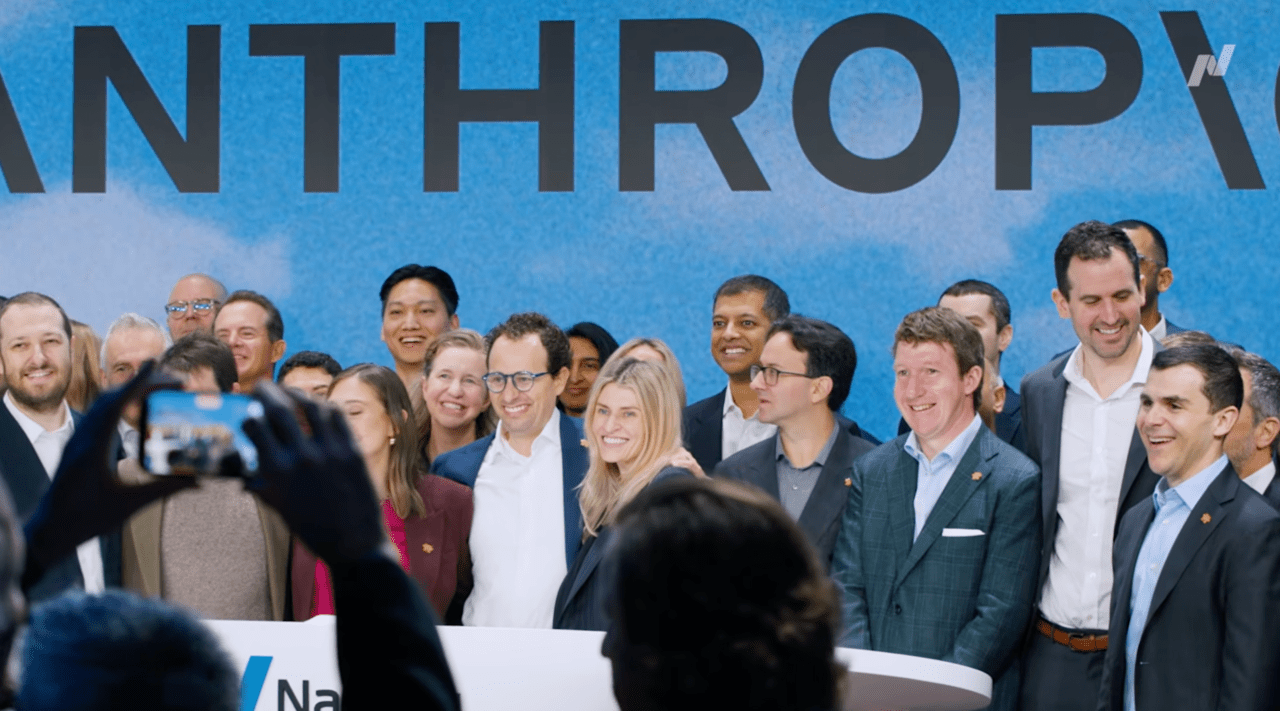
The timing of the reports about the possible SK hynix acquisition also drew attention. At an AI event in Tokyo on the 18th, Son spoke about having missed an opportunity to invest in Anthropic.
Son said he had met with people from Anthropic in the past. At the time, SoftBank had already chosen to invest in OpenAI. He described the decision not to invest in Anthropic as one of his mistakes.
Anthropic listed on the Nasdaq in the United States on the 19th. Its share price finished above the offering price on its first day, valuing the company at about $1.77 trillion on a fully diluted basis. The listing showed that investor enthusiasm for AI-model companies remains strong.
SoftBank concentrated a large amount of capital in OpenAI. It did not invest in Anthropic, a competitor in the AI-model market, in the same way. Son’s remarks prompted a fresh look at that investment choice.
SoftBank’s share price has also fallen sharply. It closed at 3,025 yen on the 20th, about 67% below its June peak of 9,074 yen. The company is facing the combined effects of expanding AI-related investment, financial pressures and broader market sentiment toward technology stocks.
Reports about the SK hynix acquisition plan came at such a time. But there is no evidence directly linking the missed opportunity to invest in Anthropic with the consideration of an SK hynix acquisition. The precise timing of Son’s exploration of the acquisition possibility has not been disclosed either.
◆ Barriers even Son may struggle to overcome
Raising funds for a $1 trillion acquisition would be difficult from the outset. SoftBank’s market capitalization was about $109 billion as of the 20th. The amount discussed for the acquisition was more than nine times the company’s market value.
Of course, acquisitions are not funded solely with equity. They can involve bank loans, asset sales and outside investors, among other financing methods. Son has used such structures to complete major deals in the past.
But $1 trillion is an overwhelming sum even compared with previous mega-mergers and acquisitions. The risks financial institutions would have to take on are substantial, and the time needed to recoup the investment could be long. The reports did not confirm that any Wall Street financial institution had agreed to provide funding.
SK Group’s corporate governance structure is another key variable. SK hynix’s largest shareholder is SK Square, which holds about 20% of the company. Given regulations on holding companies and the existing ownership structure, it would be difficult to secure control simply by purchasing shares.
There is also no indication that SK Square intends to sell its stake. Even with financing in place, an acquisition would be difficult to pursue without reaching an agreement with the largest shareholder.
Government review presents another obstacle. Technologies related to DRAM held by SK hynix are designated as national core technologies. If a foreign company were to acquire control, the deal could face review and approval requirements under laws governing the protection of industrial technology.
SK hynix has also said that a foreign company seeking to acquire it would need prior government approval under South Korean law. As a semiconductor company holding national core technologies, it would face more conditions to review than an ordinary corporate acquisition.
In the end, the plan faces three barriers: financing, corporate governance and government review. It has not been established which, if any, of these factors led SoftBank to say it was no longer actively considering an acquisition.
◆ Increasing its stake in Kioxia
The acquisition reports also offer an interesting perspective on the capital ties between South Korean and Japanese semiconductor companies. Around the time reports emerged that Japan’s SoftBank had considered acquiring South Korea’s SK hynix, SK hynix expanded its financial ties with Japanese memory company Kioxia.
On the 20th, SK hynix said it would convert Kioxia-related convertible bonds into shares, giving it an indirect stake of about 14.1%. This would make it Kioxia’s largest shareholder. SK hynix said the move was not intended to increase its involvement in management.
Kioxia is a Japanese semiconductor company with strengths in NAND flash. SK hynix operates in NAND flash as well as DRAM and HBM. The two companies have maintained a relationship that combines competition and cooperation in the memory market.
No direct connection has been established between SoftBank’s consideration of an SK hynix acquisition and SK hynix’s decision to secure a stake in Kioxia. Still, the episode illustrates how important capital relationships between companies in the two countries are to the memory industry.
◆ What is SK hynix worth?
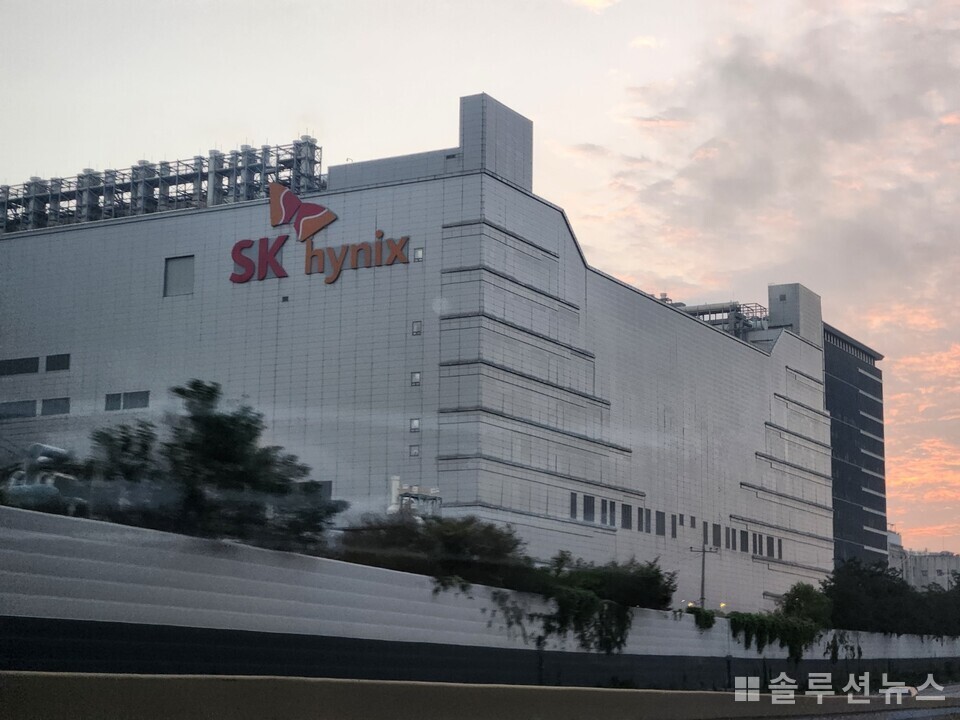
SoftBank has said it is not actively considering an acquisition of SK hynix. Nor has it been confirmed that an actual offer or negotiation took place. The episode should therefore not be interpreted as a deal that fell apart just before completion.
Even so, reports that Son sounded out the possibility of raising $1 trillion are notable. SoftBank has already invested in chip design, AI models, data centers and power infrastructure. Memory is a key manufacturing sector that it has not secured directly within this investment network.
In the AI industry, the ability to supply semiconductors has become as important as model performance. Shortages of GPUs and HBM can constrain the pace of data-center construction. Stable access to power, cooling systems and network equipment is also necessary to operate large-scale AI infrastructure.
SK hynix occupies a central position in this supply chain. It produces advanced HBM and supplies it to global AI chip companies. Its third-quarter results this year show how memory supply capacity is translating into actual profits.
The most important point in the acquisition reports is not simply whether a deal goes through. It is that Son, who has invested vast sums in the AI industry, considered a memory manufacturer as an acquisition target. That makes it possible to see how much strategic value memory production capacity has gained in the AI supply chain.