
The U.S. FDA has repeatedly recalled certain Korean oyster products and advised that they not be sold; freezing does not eliminate the risk of infection.
There are no approved treatments or vaccines, making fluid replacement essential. Pregnant women should watch for dehydration and electrolyte imbalances.
[Solution News reporter Lee Hye-ri] During kimjang season, many families serve fresh oysters with boiled pork or add them to freshly made kimchi. But oyster season coincides with the annual surge in norovirus infections. On the 20th, South Korea’s Ministry of Food and Drug Safety urged people to take precautions against norovirus food poisoning during winter. Why are oysters so often linked to norovirus? Here is a look at why Korean oysters have been recalled in the United States, as well as precautions for pregnant women.
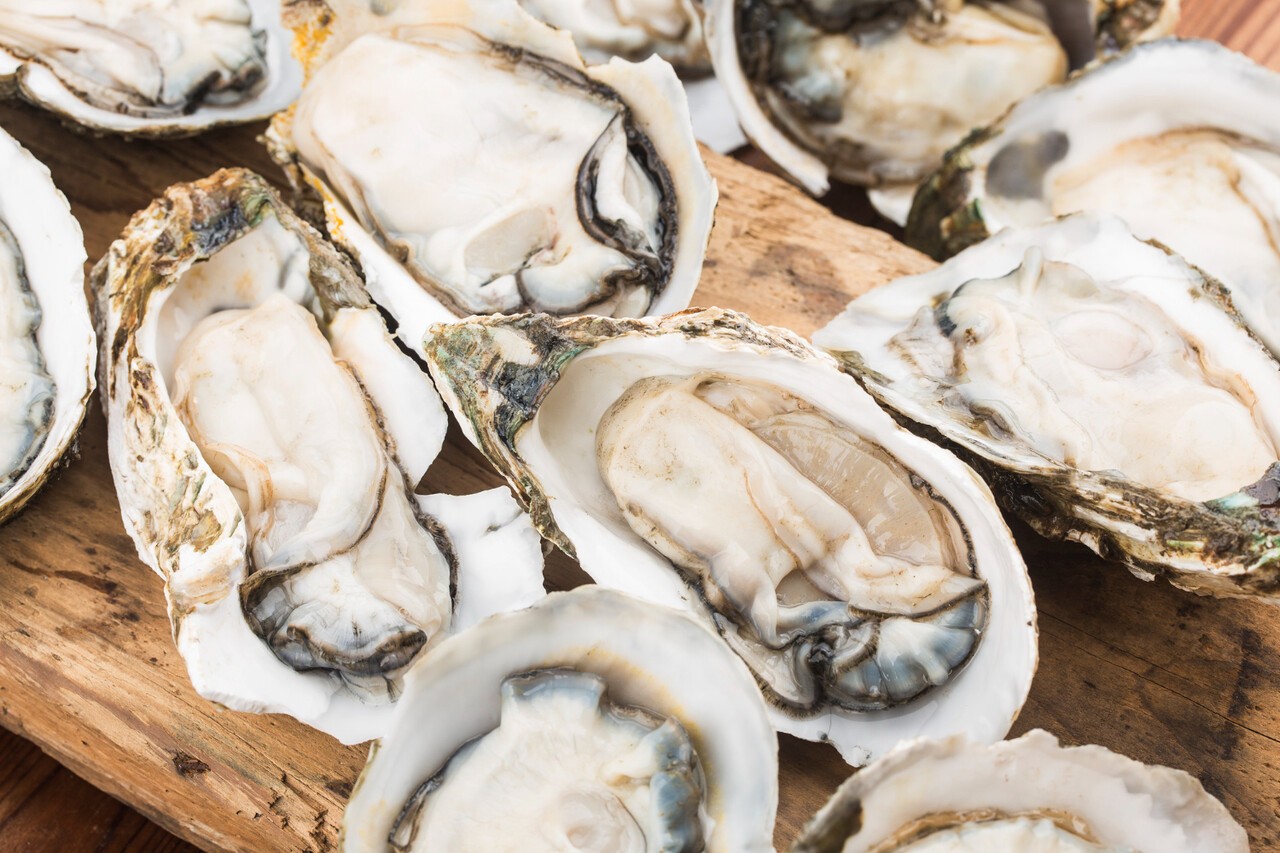
There is one dish that often appears on the table during kimjang, the annual kimchi-making season: freshly made kimchi, boiled pork, and raw oysters. Many families also add oysters to the kimchi filling. Kimjang season coincides with peak oyster season, but norovirus infections also increase at this time. On the 20th, the Ministry of Food and Drug Safety urged people to cook food thoroughly and maintain good personal hygiene to prevent norovirus food poisoning during winter.
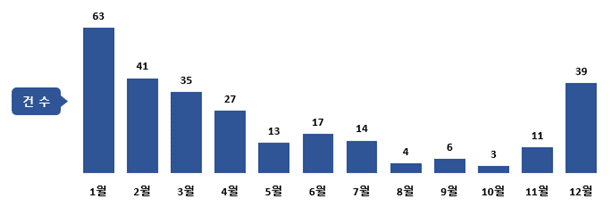
More than half of norovirus food-poisoning cases recorded over the past five years occurred in winter. According to the Ministry of Food and Drug Safety, there were 273 cases from 2021 to 2025. Of these, 143—about 52%—occurred between December and February. Norovirus is a leading cause of winter food poisoning because it can survive at low temperatures.
◆ What is norovirus?
Norovirus is a virus that causes inflammation of the stomach and intestines. Although people often associate food poisoning with summer, norovirus is also prevalent in winter. It can survive at low temperatures and is highly contagious. According to the Ministry of Food and Drug Safety and the Korea Disease Control and Prevention Agency, infection can occur from as few as 10 to 100 virus particles.
There are several ways to become infected. People can catch the virus by consuming contaminated groundwater or food. It can also spread from person to person through hands that have touched an infected person’s stool or vomit. Contaminated droplets dispersed during vomiting can also transmit the virus. This is why outbreaks occur in places where many people live or spend time together, such as daycare centers and schools.
Symptoms often appear 12 to 48 hours after infection. Vomiting and diarrhea are the most common, and may be accompanied by abdominal pain, chills, and fever. Vomiting is relatively more common in children, while adults are more likely to have diarrhea. Most people recover within one to three days, but children, older adults, and people with weakened immune systems should be alert to dehydration.
Cases also rose sharply last winter. In the Korea Disease Control and Prevention Agency’s sentinel surveillance, 262 patients were reported in the fourth week of December last year. The number rose to 354 in the first week of January 2026 and 548 in the second week, reaching 617 in the third week and 709 in the fifth week. The figures were collected from 210 hospitals nationwide.
Children accounted for a large share of cases. Among patients reported in the fifth week of January, 45.1% were ages 0–6 and 20.0% were ages 7–18. More than six out of every 10 patients were 18 or younger. The Korea Disease Control and Prevention Agency urged daycare centers, kindergartens, and other facilities serving young children to ensure thorough handwashing and environmental disinfection.
◆ Why are raw oysters often linked to norovirus?
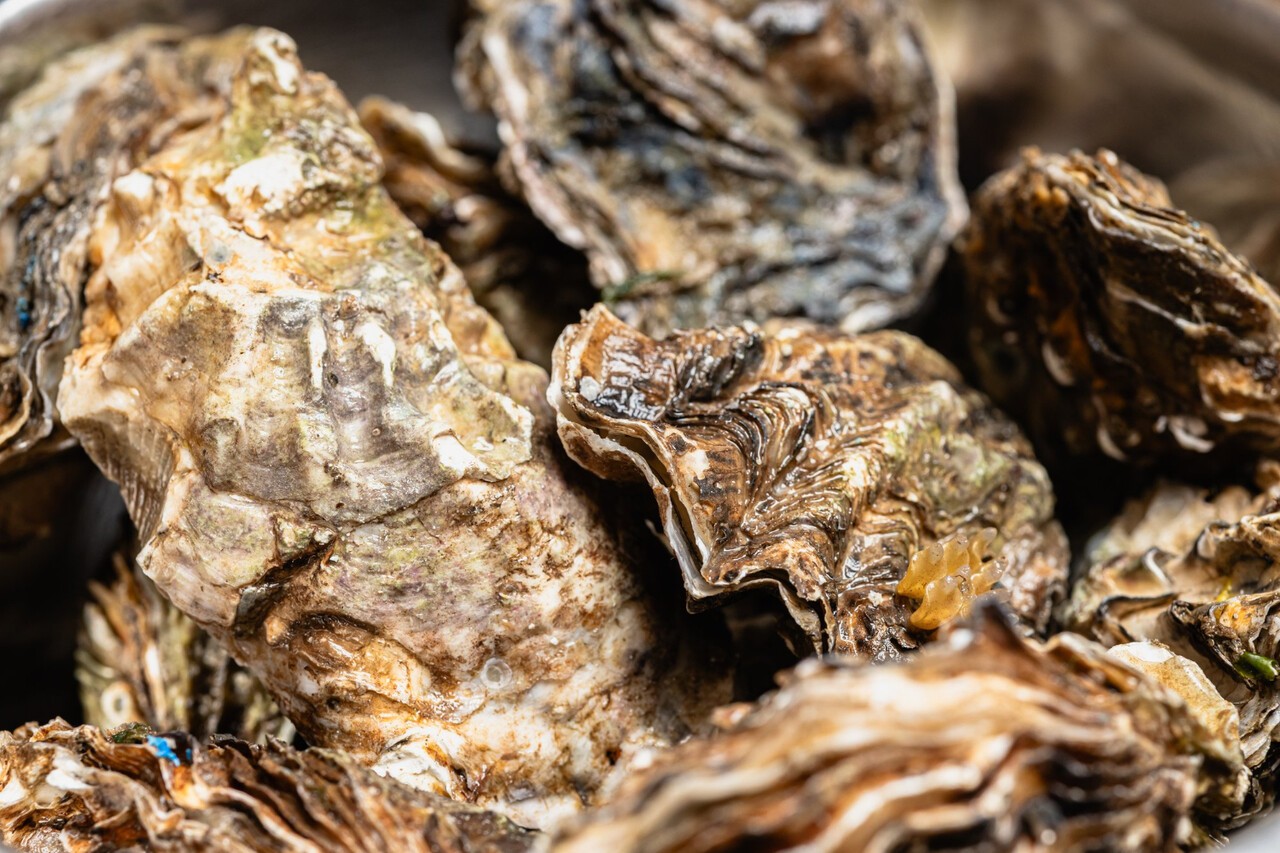
Oysters feed by taking in seawater and filtering out food. In the process, they can accumulate norovirus present in the water. Norovirus multiplies in the intestines of infected people and is shed in their stool. If sewage contaminated with the virus flows into the sea, oysters can take it up. Oysters do not produce the virus themselves.
Several factors raise the risk of oyster-related infection in winter. Oysters are in season, so consumption increases, and many people eat them raw. Norovirus can also survive for a long time at low temperatures. The Ministry of Food and Drug Safety lists uncooked oysters and other shellfish as foods that pose a risk of norovirus food poisoning.
Past reports have also highlighted this risk. According to the Ministry of Food and Drug Safety, 542 reports of suspected food poisoning were filed between November 2022 and February 2023 after people ate raw oysters or dishes containing oysters. That was about eight times the 68 reports filed during the same period a year earlier. These were reports of suspected food poisoning; they do not mean that norovirus infection was confirmed in every case.
Is it safe to eat oysters if they are washed thoroughly? No. Norovirus can be present inside oysters as well as on their surface, and washing with water does not remove all of it. Freezing does not guarantee safety either, because norovirus can survive under typical freezing conditions.
The surest way to reduce the risk of infection is to cook oysters thoroughly. The Ministry of Food and Drug Safety advises heating oysters labeled for cooking to an internal temperature of at least 85°C (185°F) for at least one minute.
◆ How should you eat oysters safely?
Check the packaging when buying oysters. Oysters sold in South Korea are labeled either for raw consumption or for cooking. If the package says “for cooking” or “cook before eating,” be sure to cook them thoroughly. The Ministry of Food and Drug Safety recommends an internal temperature of at least 85°C (185°F) for at least one minute.
Oysters in soup, pancakes, or steamed dishes should also be cooked to this standard. Briefly dipping them in hot broth or cooking only the outside may not be enough. Avoid adding oysters labeled for cooking to kimchi filling or placing them raw on boiled pork.
Oysters sold for raw consumption are distributed with the intention that they be eaten uncooked, but the risk of norovirus infection is not completely eliminated. Pregnant women, children, older adults, and people with weakened immune systems are safer avoiding raw oysters and eating them only after they have been thoroughly cooked.
During kimjang, take precautions not only with the oysters but also with the people preparing the food. Norovirus can be transferred to food on an infected person’s hands. Anyone with vomiting or diarrhea should not take part in kimjang. Even after symptoms have gone away, the virus may still be shed, so people recovering from infection should avoid handling food.
The Korea Disease Control and Prevention Agency advises people with norovirus to stay home from daycare, school, or work for at least 48 hours after their symptoms stop. For people who handle food as part of their job, the Ministry of Food and Drug Safety recommends resting for two to three days after recovery. These guidelines are also worth following when several people are preparing food together, as they do during kimjang.
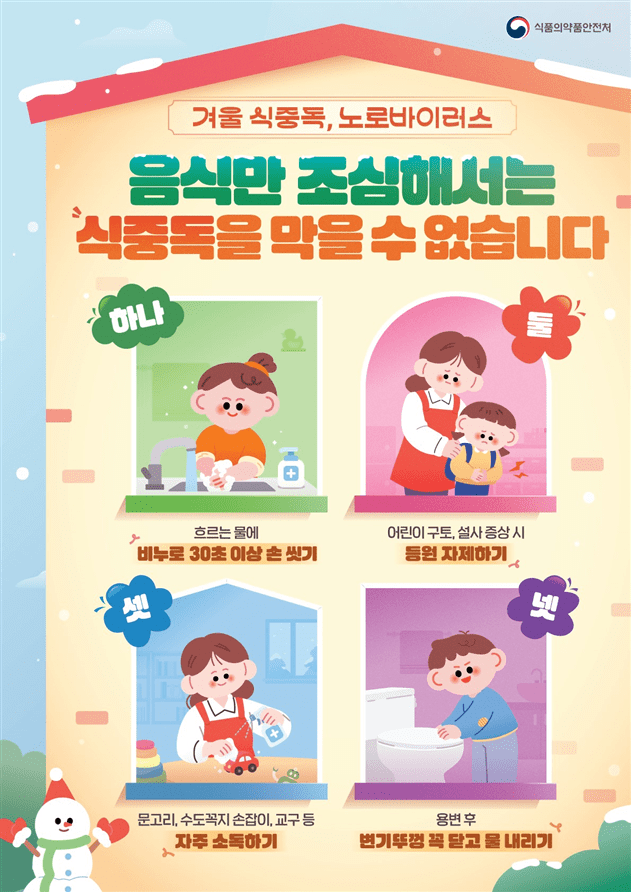
Wash hands with soap under running water for at least 30 seconds. Washing with soap and water is important; hand sanitizer alone is not enough. Rinse vegetables thoroughly under running water, and boil untreated groundwater before using it. Keep knives, cutting boards, and other cooking utensils clean and separate them according to their use.
◆ What should you do if you get infected?
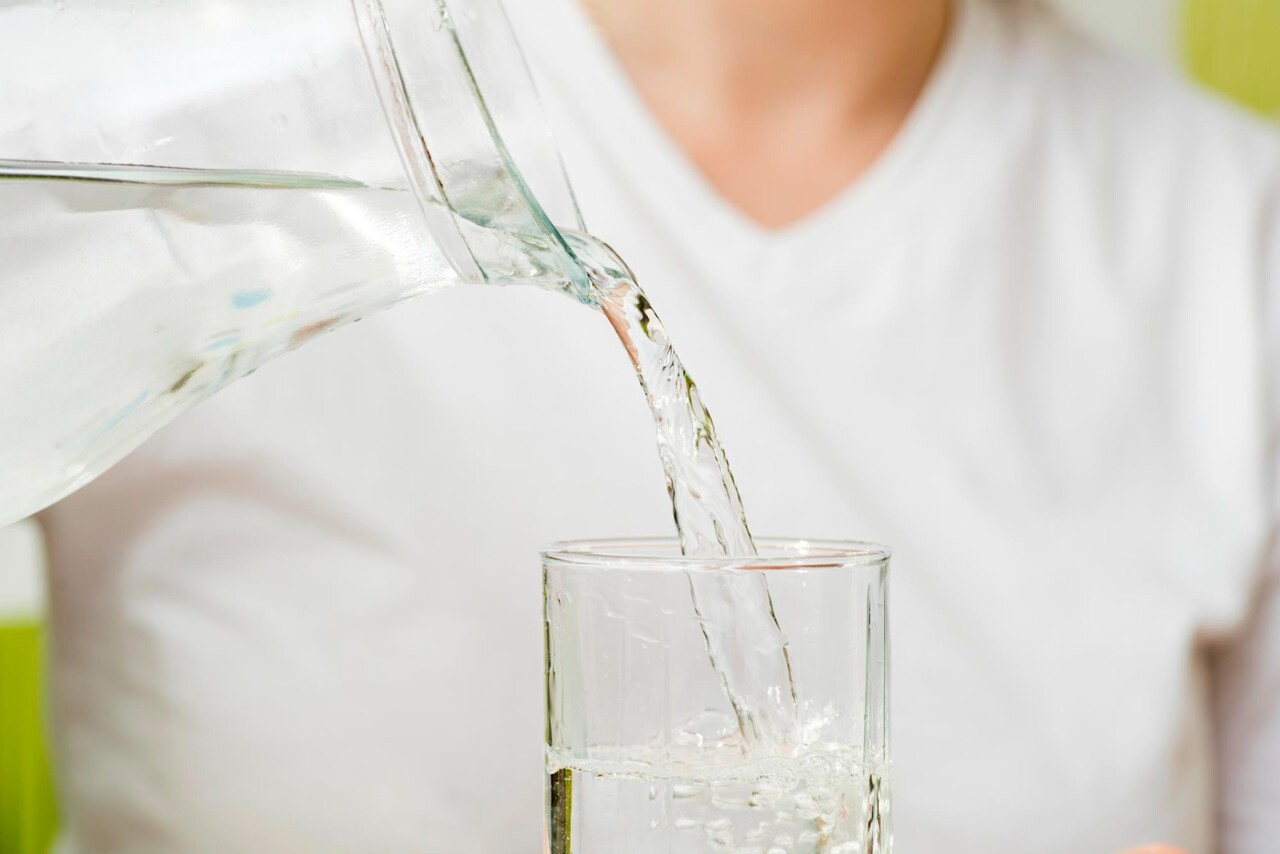
There is no approved medication that directly eliminates norovirus, and no vaccine is yet commercially available. Most people recover with adequate rest and fluids. Replacing the fluids and electrolytes lost through vomiting and diarrhea is the most important part of treatment.
It is better to drink small amounts frequently rather than a lot of water at once. If vomiting and diarrhea are severe, an oral rehydration solution may help. Sports drinks have a different electrolyte composition from oral rehydration solutions and are not an adequate substitute for treating severe dehydration. Children should be given an oral rehydration solution appropriate for their age.
Antibiotics do not work against norovirus because they treat bacterial infections. Whether to use medication to control vomiting or diarrhea depends on the patient’s condition and age. Do not give children anti-diarrheal or anti-vomiting medication without medical advice. If blood in the stool or a high fever occurs, other possible causes should also be checked.
Seek medical care if dehydration is severe or vomiting continues to the point that it is difficult to drink. Reduced urination, a dry mouth, or severe dizziness when standing can also signal dehydration. If it is not possible to take in enough fluids, intravenous fluids at a hospital may be necessary.
It is also important to prevent the virus from spreading to other family members at home. If possible, the infected person should use a separate bathroom and living space. Close the toilet lid before flushing, and clean areas contaminated by vomit or diarrhea with an appropriate disinfectant.
The Korea Disease Control and Prevention Agency recommends using a diluted solution of one part household bleach to 39 parts water to disinfect surfaces. However, the concentration of available chlorine varies by product, so check the product label and follow disinfection guidance. Do not mix bleach with other cleaners. If possible, wash contaminated laundry at 70°C (158°F) or higher, or disinfect it according to the recommended instructions.
◆ If you are pregnant and become infected
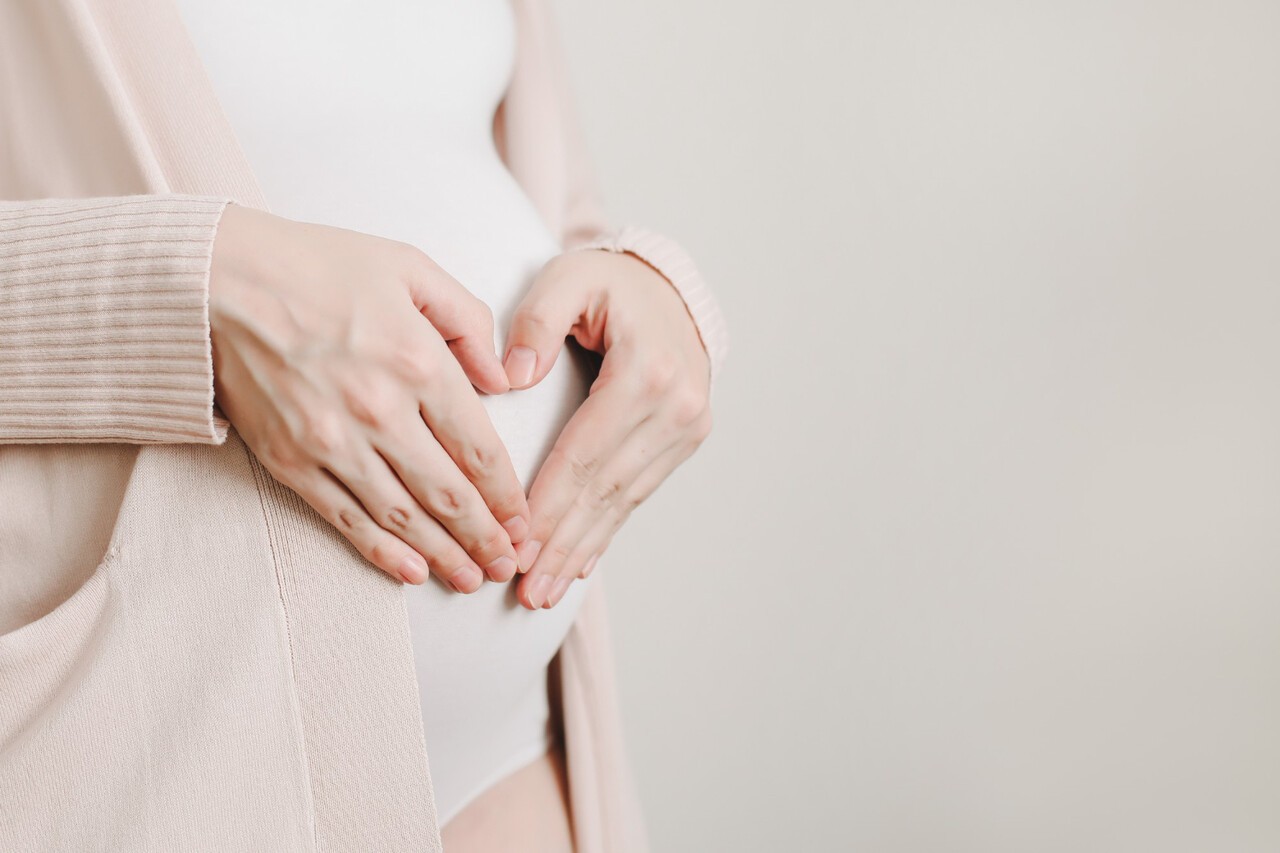
It is natural to worry that norovirus during pregnancy might harm the fetus. Norovirus primarily infects the intestines and is not known to directly infect the fetus. The main concern for pregnant women is dehydration and electrolyte imbalances caused by severe vomiting and diarrhea.
Dehydration can cause dizziness and weakness. Urine output may decrease and the urine may become darker. Severe dehydration can affect circulation and overall health, so extra caution is warranted during pregnancy. If severe dehydration, fever, or abdominal pain occurs, the health of both the pregnant person and the fetus may need to be assessed.
If vomiting continues and even water is difficult to keep down, do not wait too long to contact a medical professional. Seek care if there is very little urination, severe dizziness, a high fever, or intense abdominal pain. Contact an obstetrician immediately if vaginal bleeding, regular uterine contractions, or an unusual change in fetal movement occurs.
As with other patients, treatment focuses on replacing fluids and electrolytes. Drink small amounts frequently; if it is difficult to take in fluids, intravenous treatment at a hospital may be needed. Whether anti-vomiting or anti-diarrheal medication is appropriate depends on the stage of pregnancy and the symptoms. Do not take even over-the-counter medication without first consulting a medical professional.
Preventing infection is especially important during pregnancy. Cook oysters and other shellfish thoroughly, and take care to avoid close contact or sharing food if a family member is ill. Use separate towels and keep the bathroom and frequently touched surfaces clean.
Norovirus may continue to be shed in stool even after symptoms have disappeared. The Korea Disease Control and Prevention Agency says the virus may be shed for more than two weeks after recovery. Do not let up on handwashing and hygiene just because symptoms have stopped.