
Satya Nadella, CEO of Microsoft (MS), began the company’s biggest customer event of the year with an apology.
At the start of his keynote at Ignite 2026 in San Francisco on November 17 (local time), Nadella addressed the Microsoft 365 outage the previous week. “In some ways, last week reminded us just how important digital infrastructure is as the dial tone of the world,” he said.
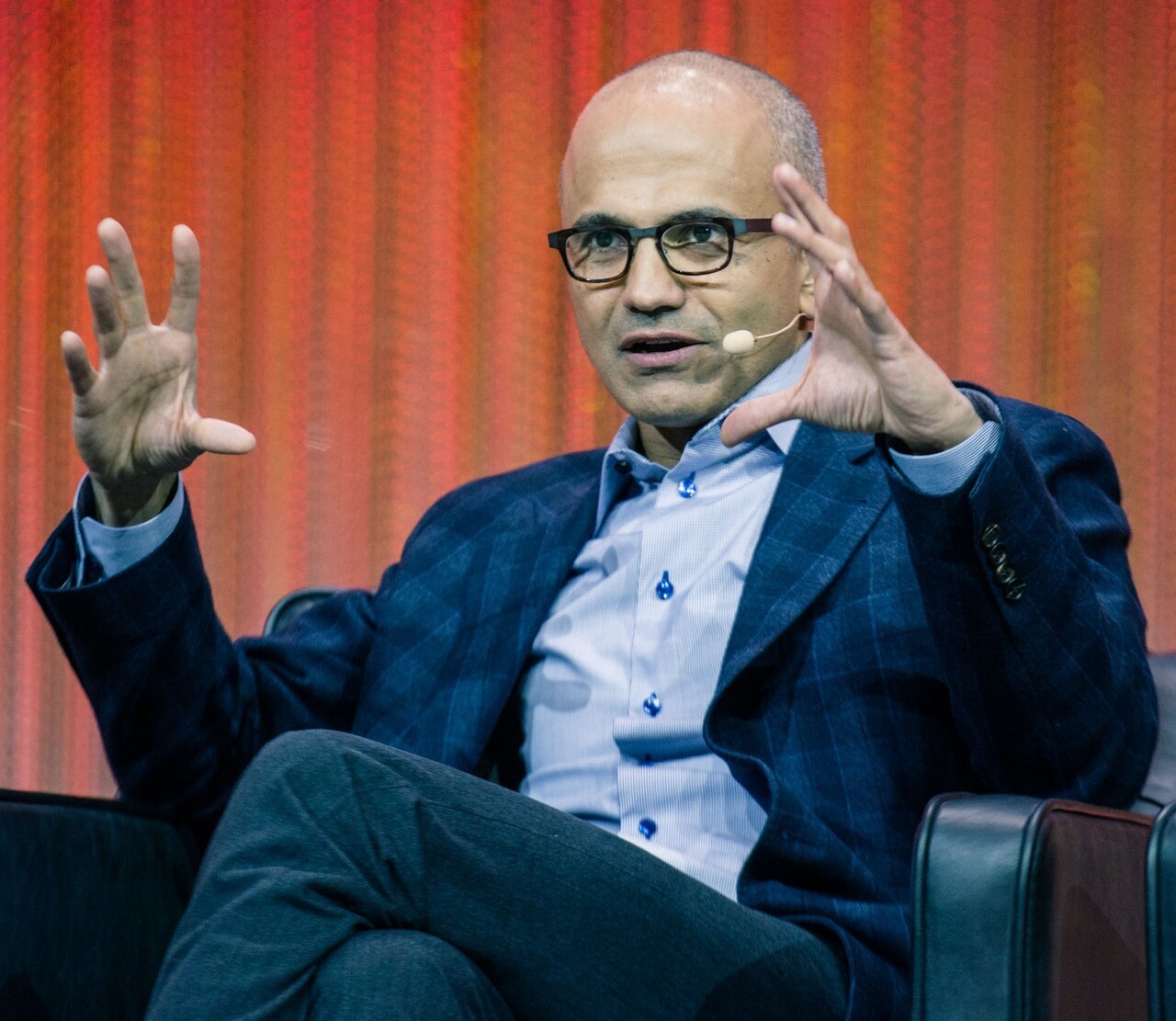
Ignite is Microsoft’s annual event for business customers and partners, where the company announces new products and strategies. This year’s event runs through November 20.
“We know the trust you place in our services, and we take that responsibility very seriously,” Nadella said. “We know we have more work to do to build the resilience that you and the world can rely on. We will learn and continue to improve.” He also expressed his sincere thanks to the IT staff who worked to keep their organizations’ systems running during the outage, saying, “I truly appreciate everything you do for your organizations and the entire ecosystem.”
After the apology, the keynote turned to AI announcements. Nadella called Copilot “a new operating system for work” and unveiled Copilotforce, developed in partnership with Salesforce, and Microsoft IQ, which manages the context of enterprise data.
What happened last week
The outage began on November 12. Network gateways—the servers that receive and route user requests for multiple Microsoft 365 services—failed in a cascade. Exchange Online, Outlook and Copilot went down. At the worst point, more than 80% of the gateway servers were not responding. Teams, OneDrive and SharePoint recovered sooner after their traffic was moved to other gateways, but the email services could not be shifted. Microsoft said it had restored service for all customers on November 13.
The cause was identified on November 16. In a post on X, Charles Lamanna, Microsoft’s executive vice president for Copilot, agents and platforms, said three factors had converged. A fix deployed to gateway servers in July contained a “lock contention” bug that caused servers to stop responding under certain load conditions. This occurs when multiple tasks wait on one another to access the same resource, eventually freezing the system. About 15 hours before the outage, Teams traffic was moved to these gateways, increasing the load. A separate issue the previous day had also reduced gateway capacity by about 14%.
Load testing failed to catch the bug. Lamanna said the test environment’s traffic patterns differed from those in real-world use, and the test equipment was mostly older machines with fewer cores. An automated failover feature, designed to redirect requests handled by failed servers to the remaining servers, instead spread the same bug. Microsoft said the outage was not caused by a cyberattack or AI.
A second major outage in less than three months
This was the second major Microsoft 365 outage in less than three months. On August 31, Exchange Online went down because of a problem with a core authentication configuration shared by several services. OneDrive, SharePoint, and Teams’ calendar and search features were also affected. The outage began at around 8:30 a.m. Pacific time and lasted nearly 12 hours. Microsoft restored service by rolling back a recent infrastructure update.
The two incidents had different causes. However, both began with changes Microsoft had deployed, and in each case a problem in infrastructure shared by multiple services caused the impact to spread across them at once.
Other major outages also occurred in the United States that same week. On November 13, the Federal Aviation Administration halted aircraft takeoffs nationwide for nearly five hours because of a communications problem affecting air traffic control. On November 16, thousands of JPMorgan Chase customers were unable to access their online accounts.
On November 17, Apple’s App Store and iCloud also experienced disruptions following an internal update. Microsoft said there was no connection between the FAA incident and its own outage. None of the incidents was believed to have been caused by a cyberattack.
Customers may receive credits
Customers are still awaiting the final post-incident report. Microsoft said it would publish a report on the root cause and measures to prevent a recurrence later this week. Lamanna said only that a separate fault prevented isolation mechanisms—which are meant to stop an outage from spreading beyond one zone—from working properly.
Compensation is governed by the terms of service. Microsoft has not announced any separate compensation. Enterprise customers may receive credits under the service-level agreement (SLA). For Exchange Online, the credit is 25% of the monthly fee if monthly uptime falls below 99.9%, 50% if it falls below 99%, and 100% if it falls below 95%. Customers must claim the credits themselves, and business losses caused by an outage are not covered.
Businesses, public institutions and schools in South Korea also use Microsoft 365 for email and documents. Whether they have alternative ways to communicate and procedures for responding when email is unavailable for a day is therefore something they need to assess. The scale of the impact in South Korea, whether Microsoft will provide separate guidance to Korean customers on claiming credits, and why the zone-isolation mechanisms failed have not been disclosed.