
Samsung Electronics and SK hynix rose more than 6%, while Hyundai Motor and robotics stocks also surged.
Industry cooperation spans the semiconductor supply chain, AI infrastructure, autonomous driving and robotics.
Foreign investors turned net buyers for the first time in eight trading sessions; U.S. investigations and the outlook for continued AI investment remain variables.
◆ What happened
The KOSPI rose nearly 300 points in a single day. On the 24th, it closed at 5,006.03, up 297.49 points, or 6.32%, from the previous trading day. It reclaimed the 5,000 mark for the first time in three trading sessions, having fallen below it on the 19th. Buy-sidecar measures were triggered on the KOSPI and KOSDAQ at 9:06 a.m. and 9:28 a.m., respectively. The measures suspend the effectiveness of program buy orders for five minutes when futures prices surge. The KOSDAQ closed up 4.79% at 665.88.
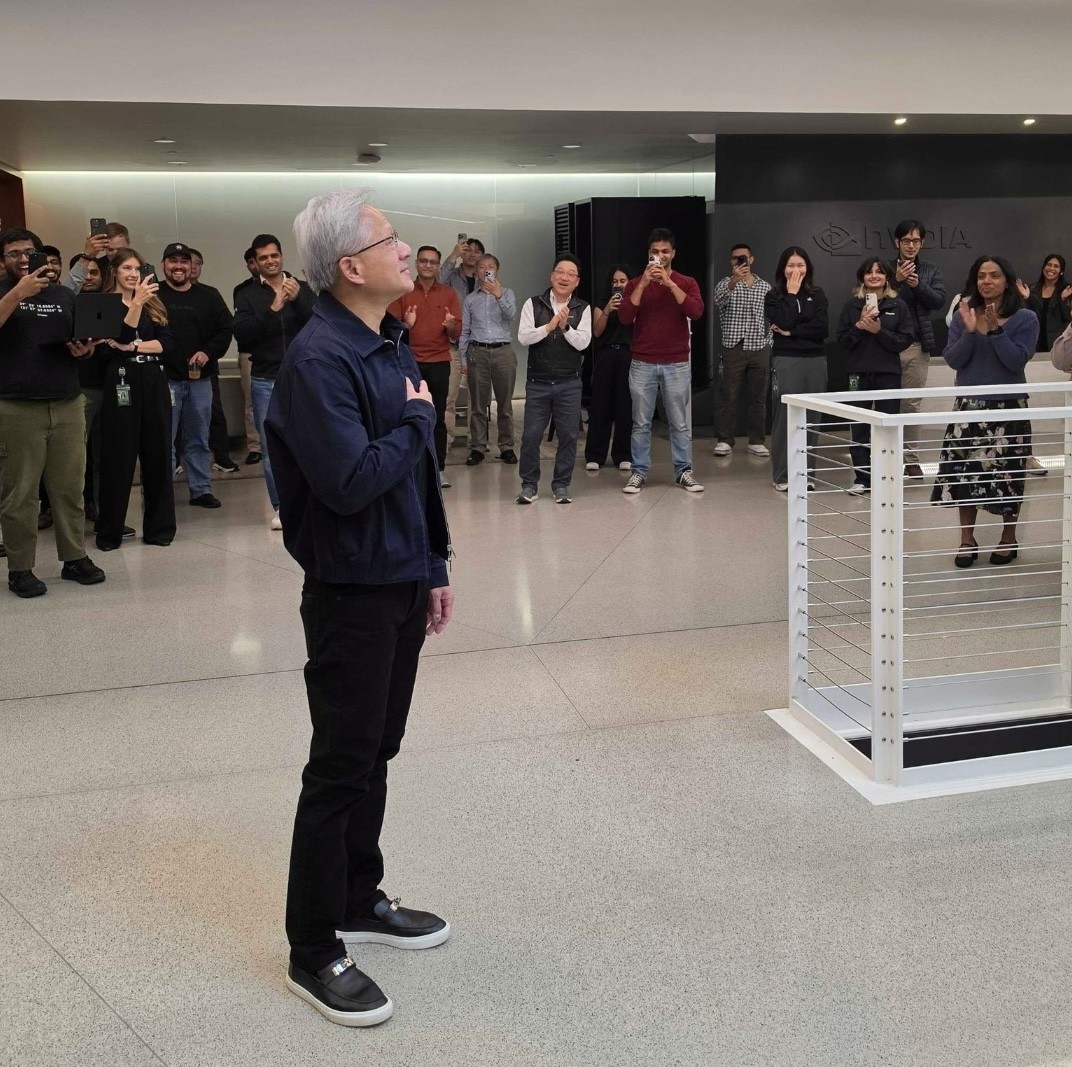
Nvidia shares surged 31.48% on U.S. markets the previous day. On the 23rd, local time, Nvidia’s board unanimously decided that CEO Jensen Huang would return. The Philadelphia Semiconductor Index gained 14.03%, while the Nasdaq rose 6.51%. Investor sentiment recovered rapidly, particularly toward AI-related companies.
When Huang visited South Korea in October last year, he met Samsung Electronics Chairman Lee Jae-yong and Hyundai Motor Group Chairman Chung Eui-sun at a chicken restaurant in Seoul’s Gangnam district. After images of the three enjoying chicken and beer together became public, Huang earned the nickname “Kkanbu” in South Korea—a term for close friends who share things. The meeting drew attention to large-scale AI industry cooperation between Nvidia and major Korean companies.
◆ A closer look
On the 24th, stocks tied to semiconductors, automobiles and robotics rose together in South Korea. Samsung Electronics closed at 189,400 won, up 6.70%, while SK hynix rose 6.73% to 1,158,000 won. Hyundai Motor gained 11.11%, Kia climbed 10.65%, and Hyundai Mobis rose 14.51%. Hyundai AutoEver hit its daily upper limit.
On the KOSDAQ, Robotis gained 19.51% and Rainbow Robotics rose 17.41%. A considerable number of automobile and robotics stocks outperformed even the semiconductor sector. Expectations for AI investment centered on Nvidia spread beyond memory chips to autonomous driving and robotics.
The preceding declines had also been steep. The KOSPI had fallen more than 8% over the previous two trading sessions, sinking to 4,708.54 on the 23rd. Foreign investors had been net sellers on the main board for seven consecutive trading sessions, from the 13th through the 23rd, offloading about 5.3 trillion won in shares. On the 24th, foreign and institutional investors both turned net buyers. Individual investors were net sellers of 2.0429 trillion won.
◆ The reporter’s view
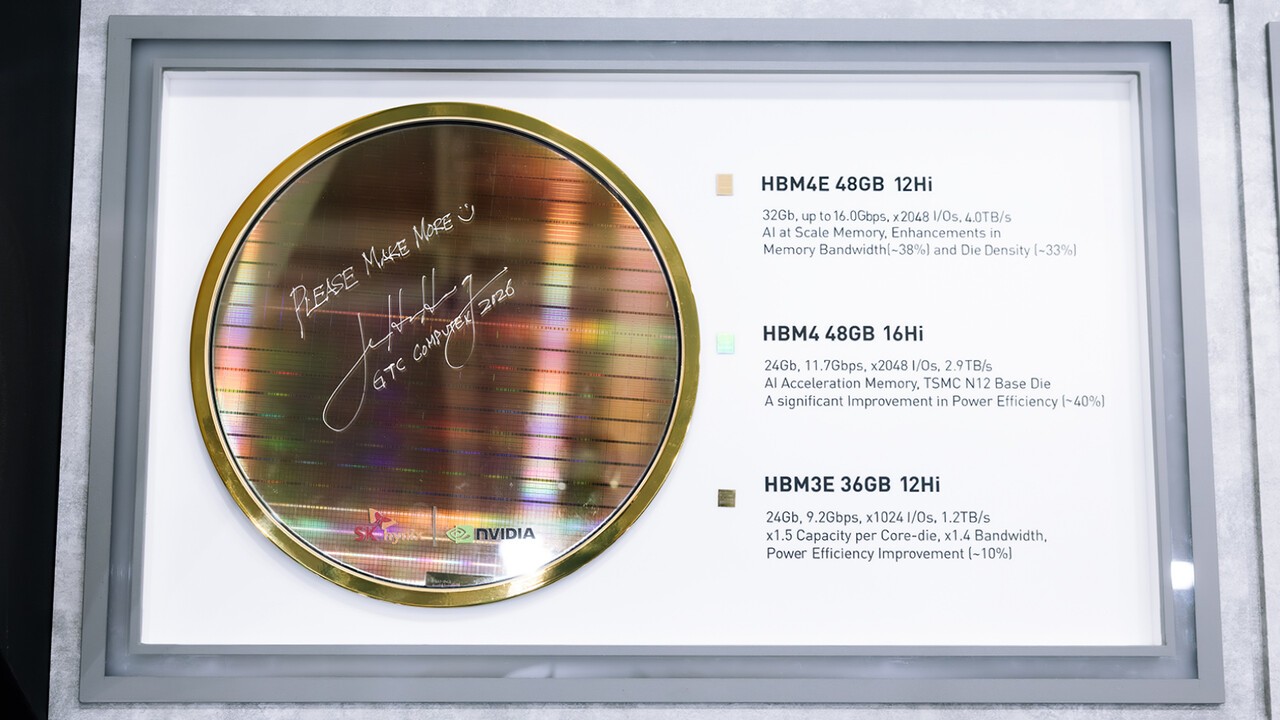
The market’s sharp rally shows how closely South Korea’s economy is linked to the global AI industry. South Korea produces the memory chips needed for AI semiconductors. At the same time, it imports AI chips from overseas to build data centers and develop automotive and robotics technologies. It is both a producer and a consumer in the AI supply chain.
This industrial structure offers Korean companies growth opportunities when global AI investment expands. Memory exports and data-center construction can increase, while new technologies are adopted across manufacturing. Related sectors—including semiconductor equipment and materials, power infrastructure, cooling systems and robotics components—can also find business opportunities.
Heavy reliance on particular companies and industries also poses risks. If global AI investment declines or Nvidia changes its product-development schedule, multiple domestic industries could be affected at once. U.S. export controls and the restructuring of semiconductor supply chains are also important factors for Korean companies.
The KOSPI’s surge on the 24th was also influenced by a rebound in U.S. technology stocks, bargain-hunting after the preceding sharp decline and an inflow of foreign capital. Huang’s return was a key event that helped trigger the shift in investor sentiment.
In the long run, what matters more is how much revenue Korean companies can capture from the growth of the global AI industry. Along with reliable semiconductor supply capabilities, they need their own competitive strengths in areas such as AI models, software and autonomous-driving technology.
◆ Diverging views
Brokerages are factoring considerable volatility into their outlook for South Korea’s stock market next year. Shin Joong-ho, head of research at LS Securities, forecast a KOSPI range of 4,300 to 6,500 for 2027. His outlook calls for a weaker first half and an improvement in share prices in the second half.
The wide projected range reflects how significantly market performance could vary depending on global economic conditions, corporate earnings, interest rates and the scale of AI investment. As sentiment toward AI-related stocks recovers, investor interest is also spreading to specific industries such as humanoid robots.
◆ The KOSPI’s concentration in semiconductors
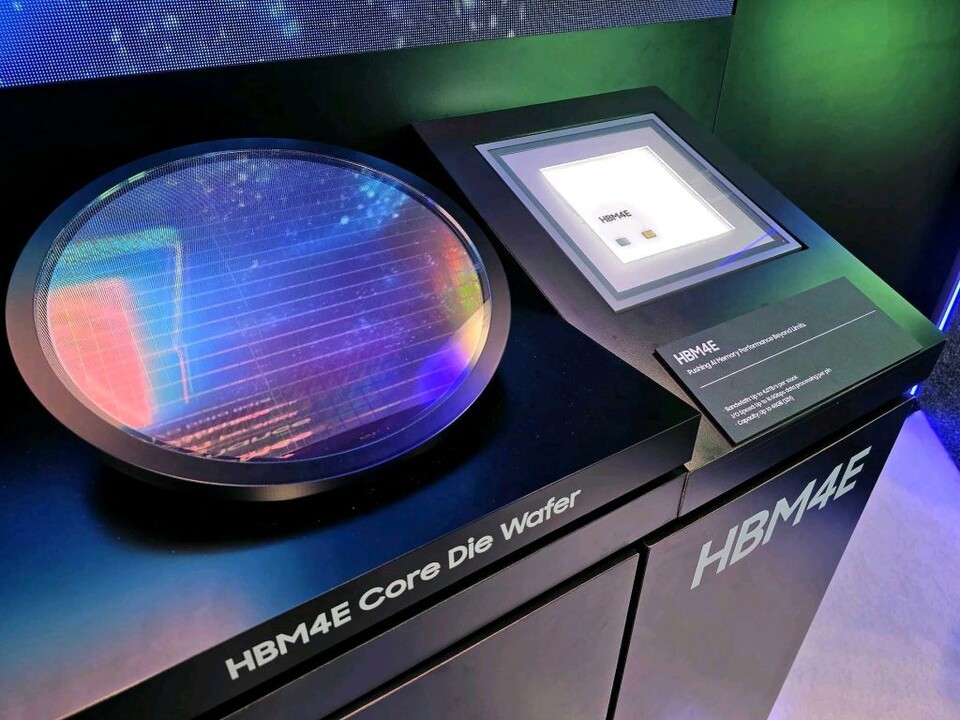
South Korea’s stock market has a high weighting in large-cap semiconductor companies. When Samsung Electronics and SK hynix move in tandem, they have a substantial impact on the KOSPI as a whole. Both companies have businesses closely tied to growth in the AI semiconductor market, where Nvidia holds a central position.
AI accelerators require high-bandwidth memory (HBM), which can process large amounts of data quickly. If Nvidia increases sales of AI accelerators, demand for HBM may rise as well. This is why Korean memory makers are expanding production facilities and investing in the development of next-generation products.
Cooperation between Nvidia and Korean semiconductor companies extends beyond product supply. They must improve memory performance and power efficiency in line with the launch schedules of next-generation AI semiconductors. Product validation and quality certification are also necessary. Nvidia’s product launch dates and production volumes can affect Korean memory makers’ production plans and investment levels.
That is also why Huang’s position has drawn attention. As Nvidia’s co-founder, he has led product development and the company’s AI investment strategy for many years. If a management change raises the possibility of shifts in business priorities and investment strategy, investors evaluating partner companies may also be affected.
Stock markets reflect future earnings as well as current results. If the outlook for Nvidia’s business improves, expectations for earnings at Korean semiconductor companies may rise, too. In South Korea, where large-cap memory stocks account for a substantial share of the market, such changes can have a significant effect on the overall index.
◆ 260,000 GPUs
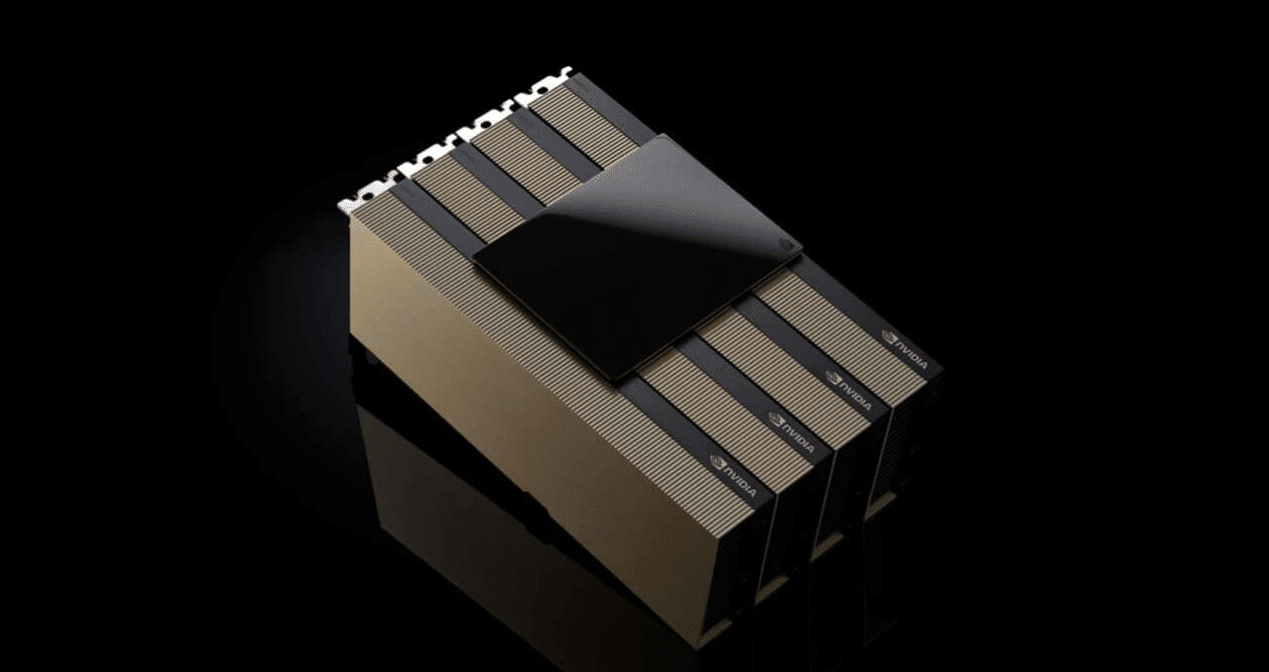
The relationship between Nvidia and Korean companies goes beyond semiconductor supply. Korean companies supply memory to Nvidia while also buying its AI semiconductors. Large-scale investments using Nvidia technology are also being pursued in South Korea’s manufacturing and cloud industries.
In October last year, Nvidia announced plans to supply more than 260,000 graphics processing units (GPUs) to the South Korean government and major companies. The plan calls for more than 50,000 GPUs for government-led AI infrastructure; more than 50,000 each for Samsung Electronics and SK Group; 50,000 for Hyundai Motor Group; and 60,000 for Naver Cloud.
Samsung Electronics is building infrastructure to apply AI to semiconductor design and manufacturing processes. SK Group is pursuing AI data centers and industrial AI cloud services. Naver Cloud will use GPUs to expand its own AI services and enterprise AI infrastructure.
Securing a reliable supply of AI semiconductors is also important for Korean companies. Developing and operating large AI models requires substantial computing resources. The timing and volume of next-generation GPU deliveries, along with technical support, can affect the competitiveness of future AI services and business schedules.
On the 13th, the day after Huang’s resignation was announced, the South Korean government reaffirmed its existing cooperation plans with Nvidia. It also said the plan to supply 260,000 GPUs remained in place. Nvidia likewise said it would continue with its existing business commitments and product-development plans for customers.
The market’s focus was on future additional investment and technical cooperation. Building AI infrastructure is not a one-time project that ends with a GPU purchase. Companies may make further purchases and invest in facilities whenever new products are released. That is why long-term partnerships matter.
◆ Automobiles and robotics
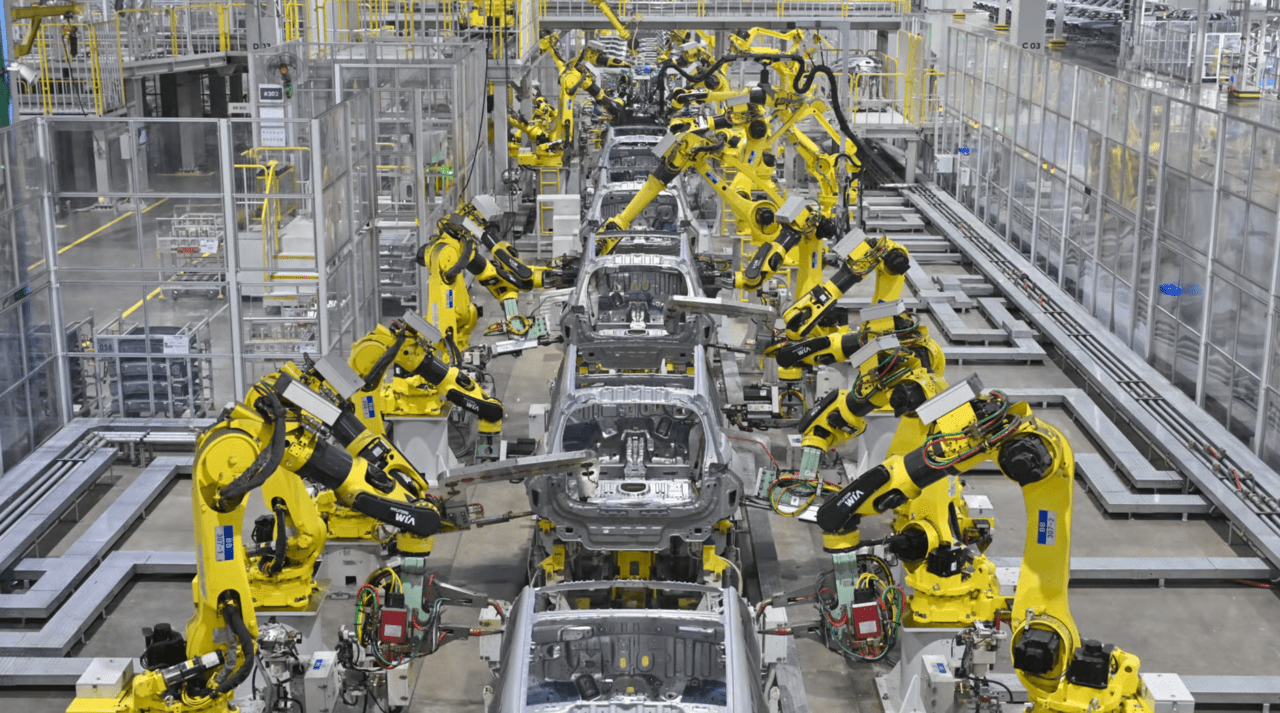
Hyundai Motor’s gain on the 24th exceeded those of Samsung Electronics and SK hynix. Looking at the areas where Hyundai Motor Group is cooperating with Nvidia helps explain how expectations for AI investment have spread to the automotive industry.
Hyundai Motor Group is pursuing plans to build AI factories using 50,000 Nvidia Blackwell GPUs. It plans to apply the technology across a range of fields, from automobile manufacturing and autonomous-driving development to AI model training and validation.
Developing autonomous-driving technology requires analyzing data collected by vehicles and training systems on a wide range of driving situations. Scenarios that are difficult to repeat on real roads can be recreated in virtual environments. Nvidia supplies the semiconductors and software needed for this kind of AI training and simulation.
The robotics industry has a similar structure. Robots need extensive training data and computing resources to move like humans and perceive their surroundings. Technologies for training robots in virtual spaces and then applying what they learn in real-world settings are also becoming increasingly important.
Nvidia’s “physical AI” refers to AI that operates in real-world environments, including cars, robots and manufacturing equipment. Korean automotive and robotics companies see it as a potential growth sector. The surge in related stocks after Huang’s return appears to reflect expectations for growth in the physical AI market.
Whether individual robotics companies have direct supply contracts with Nvidia should be examined separately. Their future revenue and profitability will depend on their technology and product competitiveness, as well as their ability to secure customers.
◆ Foreign investors return
Trading on the 24th showed opposing moves by foreign and individual investors. Foreign investors ended a seven-session selling streak and turned net buyers. Institutions also bought shares, while individual investors were net sellers of more than 2 trillion won.
Foreign buying helped the KOSPI reclaim the 5,000 mark. However, the amount they bought in a single day was far smaller than the value of shares they had sold over the preceding seven trading sessions. It remains to be seen whether foreign capital will continue to flow into the market.
Lee Kyung-min, a researcher at Daishin Securities, also said investors should watch for continued foreign net buying before judging whether the sharp rebound marks a trend reversal. The sustainability of global AI investment, corporate earnings outlooks and interest rates could also influence future capital flows.
Investigations related to Nvidia are continuing as well. The company’s board said an investigation by a committee of independent directors would proceed as planned. It has also established a separate committee responsible for national security and export controls, and said it would cooperate with the U.S. government’s ongoing investigation.
◆ What to watch
Huang is scheduled to address related allegations before the U.S. Congress in early December. Along with Nvidia’s return to normal operations, the results of U.S. government and congressional investigations warrant attention. If U.S. export controls are tightened, the global AI semiconductor market and Korean memory companies could be affected.
In South Korea, the actual delivery schedule for the planned 260,000 GPUs and progress in building AI infrastructure will be important. It will also be necessary to monitor how much supply Samsung Electronics and SK hynix secure in the next-generation HBM market, and whether Hyundai Motor and other Korean companies can turn AI investment into tangible business results.
The KOSPI rose more than 6% after the announcement of Huang’s return. Going forward, the key factor for South Korea’s stock market will be the actual revenue and profit that domestic companies can generate from growth in the global AI industry.