
Key points
▶ The Financial Times reported on Nov. 7, local time, that a memo prepared by the U.S. government earlier this year said Nvidia CEO Jensen Huang had been romantically involved with a businesswoman suspected of being recruited by Chinese intelligence.
▶ The woman is Alice Huang, known in Chinese as Huang Le, an executive at Singapore-based data center company Megaspeed.
▶ U.S. intelligence agencies reportedly view the Chinese national as a spy recruited by China’s Ministry of State Security (MSS). Nvidia, the White House and the CIA declined to comment.
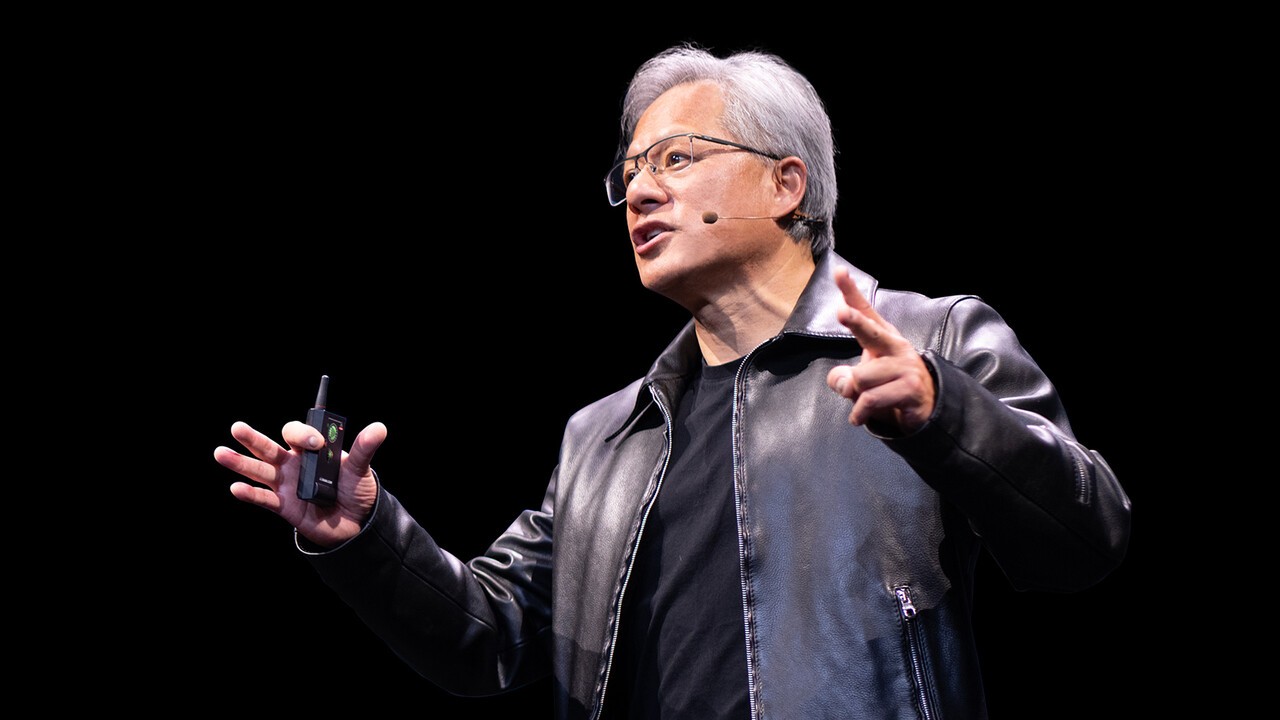
Allegations linking Nvidia’s CEO to Chinese intelligence have taken a further turn. The Financial Times reported on Nov. 7, local time, that the U.S. government believes Jensen Huang had a romantic relationship with a businesswoman suspected of being a Chinese spy.
U.S. officials drew that conclusion in a memo prepared earlier this year based on intelligence gathered by agencies. The woman is Alice Huang, an executive at Singapore-based data center company Megaspeed, whose Chinese name is Huang Le.
The FT reported that U.S. intelligence agencies consider Alice Huang, a Chinese national, to be a spy recruited by the Ministry of State Security, China’s main intelligence agency.
Nvidia, the White House and the U.S. Central Intelligence Agency declined to comment. The FT said it was unable to reach Alice Huang.
Two reports in 10 days
The New York Times first raised the allegations. On Oct. 29, the NYT reported that U.S. intelligence agencies had confirmed Alice Huang had engaged in espionage for the Chinese government, and that President Donald Trump had received a briefing on the matter about a year earlier but taken no action. It later reported that a memo said Alice Huang was an MSS spy recruited to gather information about Jensen Huang.
China’s intelligence agency allegedly sought to use her to obtain information on U.S. AI semiconductors and exert influence to get Nvidia to supply China with its most advanced chips.
The FT report added the claim that the two were romantically involved. It said the memo was shared with a small group of senior U.S. officials shortly before Trump visited China in May for a summit with Chinese President Xi Jinping.
What is Megaspeed?
Megaspeed, where Alice Huang was an executive, is a data center company headquartered in Singapore. It has built data centers in Southeast Asia using Nvidia chips and supplied computing resources to Chinese companies, including Alibaba.
U.S. authorities have been investigating allegations that the company violated U.S. export controls by smuggling advanced Nvidia semiconductors into China.
Seoul Economic Daily reported that, in late 2024, Nvidia chips with their packaging still unopened were found at a Megaspeed-linked data center in Malaysia, prompting an investigation into whether they had been sent to China. Megaspeed said it had launched an internal investigation and would cooperate with the U.S. government.
It is unclear when the two first met. A photograph released publicly shows them at a bar in Taipei, Taiwan, in June 2024, alongside executives from other AI companies. Around that time, Megaspeed was seeking to buy billions of dollars’ worth of advanced AI chips.
Nvidia: “We meet thousands of customers”
Nvidia declined to comment on the relationship or the U.S. government memo. After the NYT’s initial report, however, CEO Jensen Huang said he meets with thousands of customer-company executives every year. The company said its discussions with customers involved only general business information—not trade secrets or national security information—and that it does not share confidential information with customers. Regarding the alleged smuggling through Megaspeed, Nvidia said its own investigation had found no evidence of it.
The Chinese government denied the allegations. On Oct. 30, China’s Foreign Ministry called the NYT report “baseless speculation and slander against China.” The Chinese Embassy in Washington also dismissed the claims as unfounded.
It remains unclear how much of the allegations is true. Both the FT and the NYT based their reports on an internal U.S. government memo and unnamed officials, while Nvidia and U.S. government agencies have declined to comment.
Nvidia is at the center of U.S.-China semiconductor export controls. The Trump administration has conditionally allowed exports of Nvidia chips to China, and Nvidia was recently reported to have instructed its cloud partners to reduce the share of their business from Chinese customers to below half. The allegation that Chinese intelligence targeted the CEO personally has emerged as a new factor in the export-control debate.