Key points
▶ Apple unveiled the new iPad mini on October 26 (local time). Its 8.3-inch LCD has been replaced with an 8.5-inch OLED display, and the device is thinner, measuring 5.4 mm instead of 6.3 mm.
▶ For the first time, the iPad mini has an IP67 rating for water and dust resistance, and its speaker openings have been removed. Preorders in South Korea begin October 28, with sales starting November 6. Wi-Fi models start at 1,149,000 won and cellular models at 1,399,000 won.
▶ The rumored 120Hz display did not materialize; the screen remains at 60Hz. The 128GB and 256GB models have a five-core CPU and a 16-core Neural Engine, while only the 512GB model gets a six-core CPU and a 32-core Neural Engine.
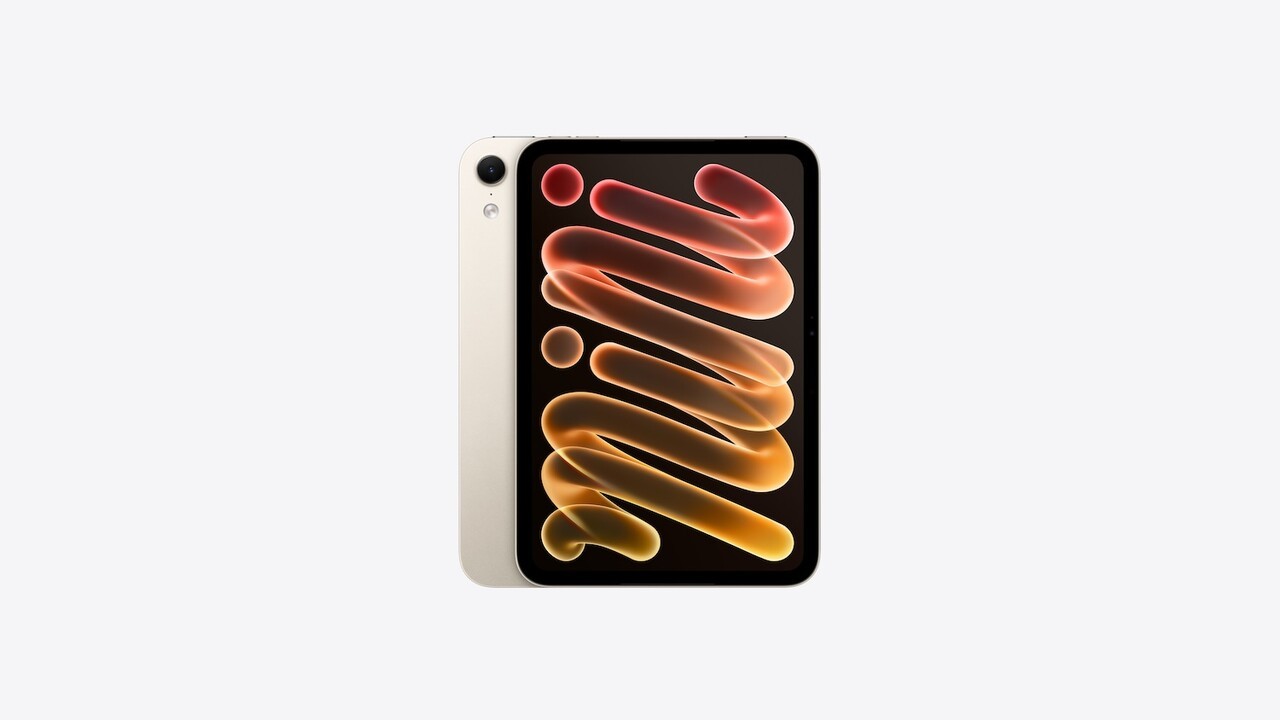
Apple has turned its smallest iPad into the most expensive small tablet. On October 26 (local time), the company unveiled a new iPad mini featuring an OLED display and an A20 Pro chip.
The update comes two years after the previous model, released in October 2024. Apple calls it “the biggest update ever” for the iPad mini. South Korea is among the first-wave markets: preorders begin October 28, and sales start November 6. Prices start at 1,149,000 won for the Wi-Fi model, 1,399,000 won for the cellular model and 1,069,000 won for the education model.
What’s changed: display, thickness and water resistance
The biggest change is the display. The 8.3-inch LCD has been replaced with an 8.5-inch OLED. The body remains the same size, while slimmer bezels—reduced by 24%—make room for the larger screen.
Brightness has increased from 500 nits to 600 nits for standard content and up to 1,200 nits for HDR. On models with 256GB or more of storage, buyers can opt for nano-texture glass, which reduces reflections, for an additional $100.
The iPad mini is now 5.4 mm thick, down from 6.3 mm, and about 15% lighter. The speaker openings are gone. Instead, an “acoustic display” system produces sound through a woofer that vibrates the screen and tweeters concealed between the glass and aluminum.
With no openings, the iPad mini has earned an IP67 rating for water and dust resistance for the first time. The rating covers immersion in up to one meter of water for 30 minutes. The front camera has also moved to the right edge when the tablet is held vertically, making it better suited to video calls in landscape orientation.
The tablet uses Apple’s in-house N1 wireless chip, which supports Wi-Fi 7 and Bluetooth 6. Cellular models use Apple’s C2 modem. With a charger rated at 35W or higher, the device can reach a 50% charge in 30 minutes.
What hasn’t changed: 60Hz, and different chip configurations

One detail differs from prelaunch rumors. MacRumors reported that Apple had tested both 60Hz and 120Hz displays, but the final product runs at 60Hz. Apple’s specifications do not list ProMotion (120Hz). The iPad mini gets OLED, but not the smoother transitions found on the iPad Pro and higher-end iPhone models.
The chip also varies by storage capacity. The A20 Pro is built on TSMC’s 2-nanometer process, but the 128GB and 256GB models have a five-core CPU and a 16-core Neural Engine. Only the 512GB model gets a six-core CPU and a 32-core Neural Engine, made up of two 16-core units.
Apple’s claims of up to 4.5 times better AI performance, up to 2.7 times better graphics performance and up to 60% faster CPU performance apply to the top configuration. Apple has not disclosed the amount of RAM.
Up $200 in two years
In the United States, prices start at $699. The previous model launched in 2024 at $499. In June, Apple raised the price to $599, citing sharp increases in memory and storage costs. Four months later, the company added another $100 with the OLED model. That amounts to a 40% increase in two years.
In October, Apple introduced the iPhone Duo, priced at 3.29 million won, followed by an iPad mini costing more than 1 million won. Two small, expensive devices have arrived within a month.
Dave Pakula, Apple’s vice president of hardware engineering, said the iPad mini is “a major leap forward for people who want the full iPad experience in the palm of their hand.”
Siri AI in Korean
The software is iPadOS 27. Siri AI will arrive in the 27.2 beta and support English, French, Japanese, Korean, Portuguese and Spanish. It can use context from personal messages, email and photos to find information, and recognize what is on screen to take relevant actions.
Some requests are processed on Apple’s servers through Private Cloud Compute, and daily usage limits apply. The feature is unavailable in the European Union and to children under 13. Version 27.2 will also add the ability to connect an external monitor and use it as an extended display.
The iPad mini supports Apple Pencil Pro, priced at 195,000 won, and Apple Pencil (USB-C), priced at 119,000 won.