
Tesla is winding down the Cybertruck. On Nov. 6 (local time), CEO Elon Musk wrote on X that “Tesla will gradually reduce Cybertruck production at Gigafactory Texas around the middle of next year” to “make room to ramp up Cybercab production.”
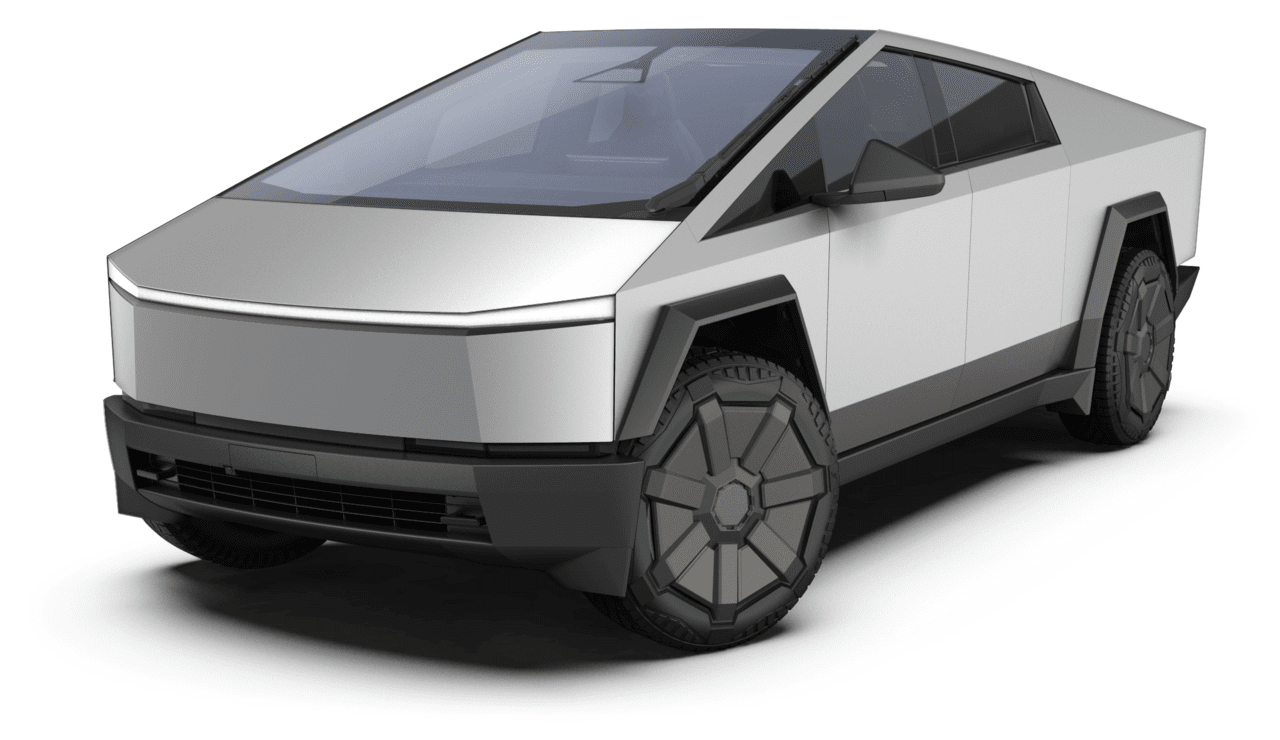
The Austin, Texas, factory is the only facility that makes parts specifically for the Cybertruck. If production is cut, it cannot continue elsewhere, making the move effectively a discontinuation.
When one user commented, “The end of an era,” Musk replied, “Yes. But Cybertrucks will remain on the roads for a long time.” He did not disclose how long Tesla would continue selling its inventory or its plans for supplying parts.
◆ A 500,000-unit promise meets a reality of 20,000
The Cybertruck was unveiled in November 2019 in Hawthorne, California. Its stainless-steel exterior and angular design made headlines, and Musk called it “our best product” in an earnings call that year, forecasting annual production of 250,000 to 500,000 units. The starting price was set at $39,900 (about 55.26 million won). The vehicle was aimed at the U.S. pickup truck market dominated by GM and Ford.
One promise after another went unmet. The launch slipped from 2021 to late 2023. When deliveries began in 2023, the price was $60,990 (about 84.47 million won); the cheapest model now costs $92,490 (about 128.1 million won). The price rose again this month after standing at $84,990 in August, and Tesla is no longer taking orders for the lowest-priced trim.
The rear-wheel-drive budget version introduced last year disappeared after just a few months. According to auto data firm Kelley Blue Book, U.S. sales fell 48%, from 38,965 in 2024 to 20,237 last year. That is just 4% of the 500,000-unit target. Sales totaled 7,263 in the first half of this year, pointing to another decline for the year.
◆ Fremont gets robots, Austin gets robotaxis
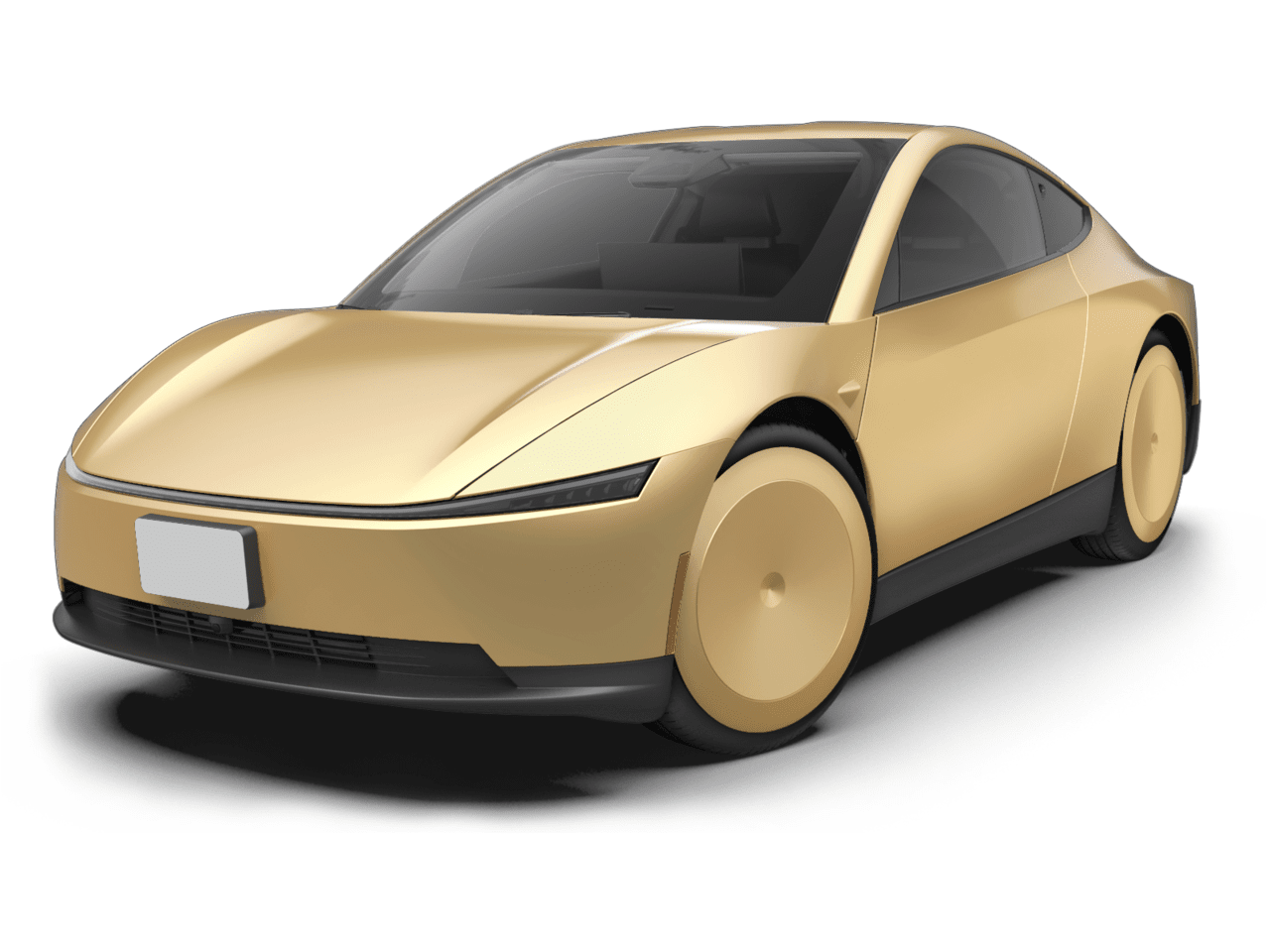
The Cybercab, which will take the Cybertruck’s place, is a two-seat robotaxi with no steering wheel or pedals. It began operating in Austin in September. Tesla already runs robotaxi services using the Model Y in Houston, Dallas, Miami and other cities; the Cybercab is a vehicle designed specifically for that purpose.
In September, however, the National Highway Traffic Safety Administration (NHTSA) opened an investigation into whether the Cybercab had been properly certified under federal safety standards. Tesla submitted a response in late October and requested that it remain confidential. The NHTSA has yet to make a decision. Rival Waymo provides 500,000 rides a week across 15 U.S. cities.
This is Tesla’s second factory reorganization this year. In January, the company discontinued the Model S and Model X and decided to use their production line at the Fremont, California, factory to build its Optimus humanoid robot. Tesla has handed its flagship sedan and SUV lines to robots, and its pickup truck production space to robotaxis.
Musk has described Tesla as an AI and robotics company rather than a car company, and the factory changes are following that vision. Tesla’s passenger-car lineup is narrowing to two mass-market models: the Model 3 and Model Y.