
Seoul City is wrapping up its “Seoul Landscape Documentation” project, which has photographed the entire city every five years since 1995 for 30 years, and is releasing the results.
The accumulated 40,000-plus photos have served as basic material for urban landscape policy and as a public asset that reflects Seoul’s identity. The photo book, “The Seventh Seoul Landscape Documentation,” includes about 200 selected images.
The photo book will be distributed to more than 300 locations, including district offices, libraries, and embassies. A video showing 30 years of change will also be screened at the Haechi Madang media wall in Gwanghwamun during commute and lunch hours.
The photographs will be made available through the Seoul Institute’s “Seoul in Photos” archive and Google Arts & Culture. It is an open archive that anyone may use freely as long as the source is credited.
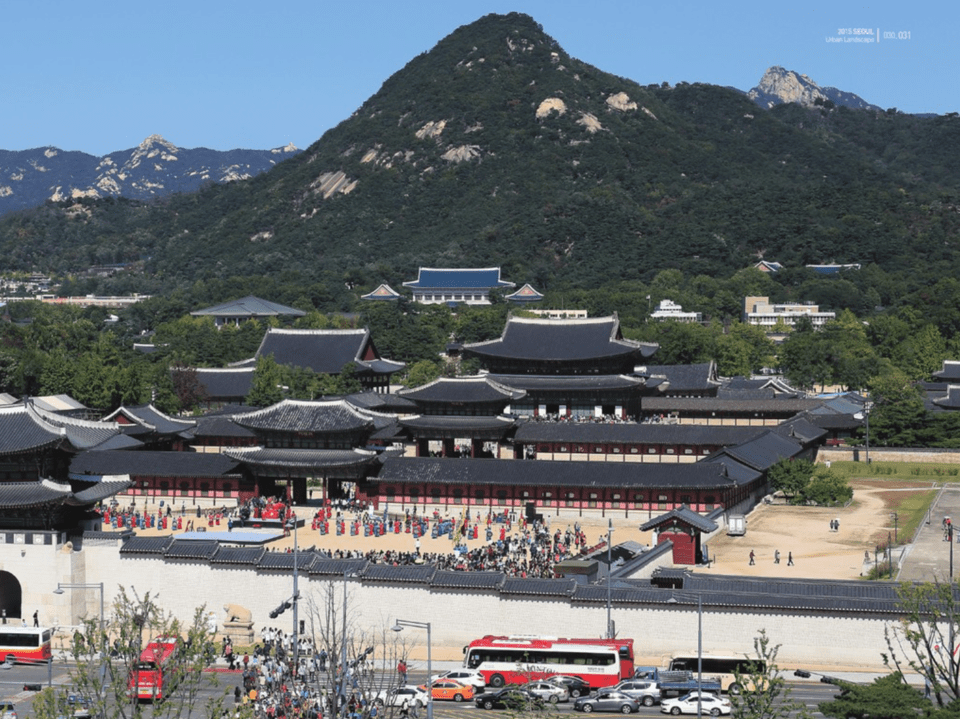
Seoul City is opening to the public a record of the city’s landscape accumulated over the past 30 years.
Starting with the first photo shoot in 1995 and continuing through the seventh in 2025, Seoul has completed its “Seoul Landscape Documentation” project, which recorded the entire city every five years. It has also published the photo book “The Seventh Seoul Landscape Documentation.” Screenings at the Haechi Madang media wall and an online release will also take place.
◆ 40,000 photos collected over 30 years used as policy basis
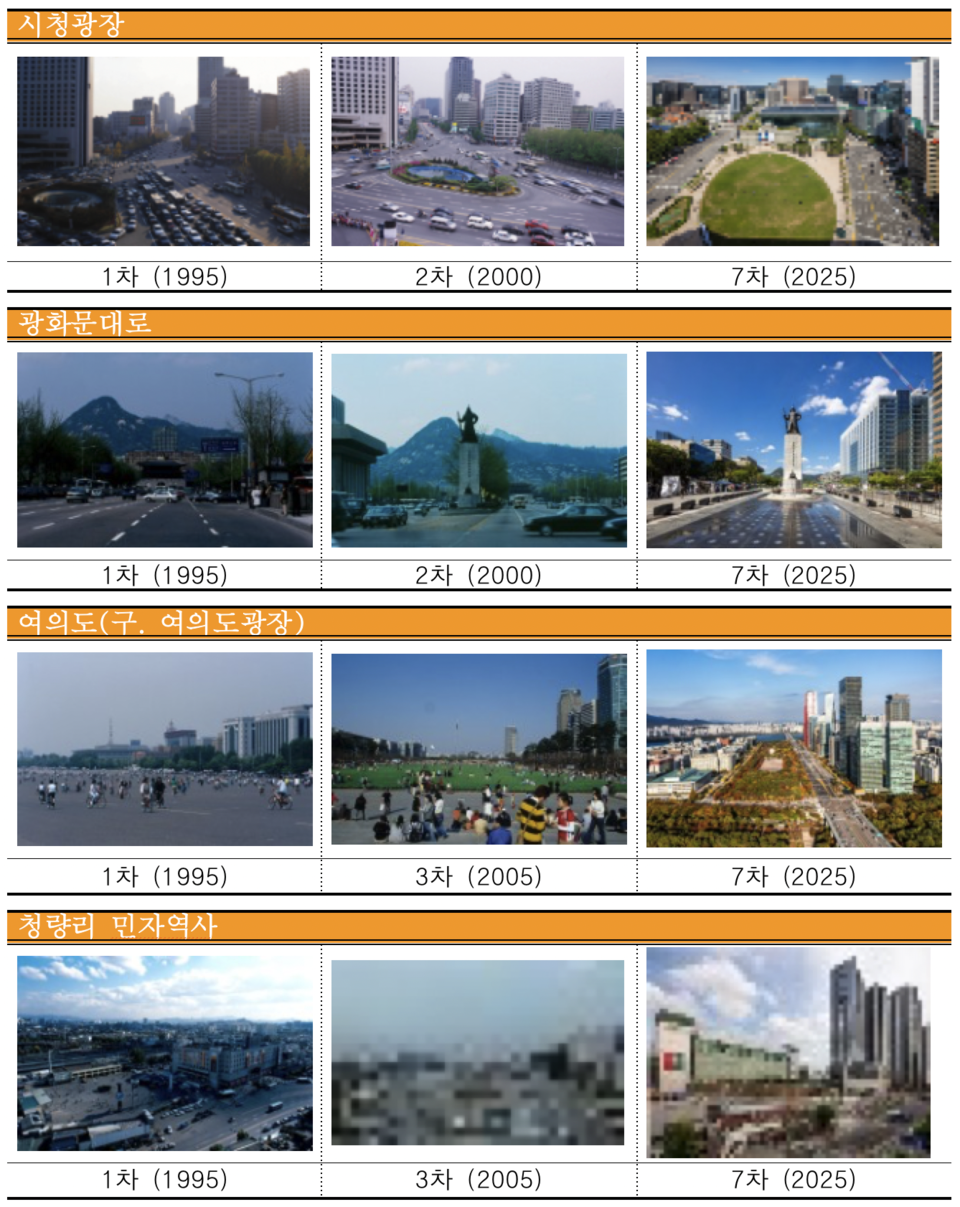
The photos accumulated through the Seoul Landscape Documentation project total more than 40,000 images. The same locations were repeatedly photographed at five-year intervals over 30 years.
Seoul said these photos have been used as basic material for urban landscape management policy and as a visual public asset showing the city’s identity and direction. They also serve as data that allows comparisons of landscape changes by region over time.
The newly published photo book includes about 200 carefully selected images, including those from the seventh photo shoot. It is organized into six chapters, covering natural and historical-cultural assets such as Seoul’s mountains, rivers, green spaces, palaces, and fortress walls, as well as urban design and citizens’ everyday lives. The book will be distributed to more than 300 locations, including district offices, public libraries, urban research institutions, and embassies in Korea.
◆ Screened on the Haechi Madang media wall
The exhibition continues at Haechi Madang in Gwanghwamun. The media exhibition “Seoul, the City Painted by Time,” held at Seoul Gallery in City Hall in February, drew about 65,000 visitors before closing. Seoul City has re-edited the exhibition video for the Haechi Madang media wall and will screen it there.
Screenings will be timed to match the high foot traffic during morning commute, lunch, and evening rush hours. During those periods, a 12-minute special edition will be shown, while at other times chapter-based thematic videos linked to the photo book will be alternated with Haechi Madang’s media art content.
◆ Open online, free use with source credit
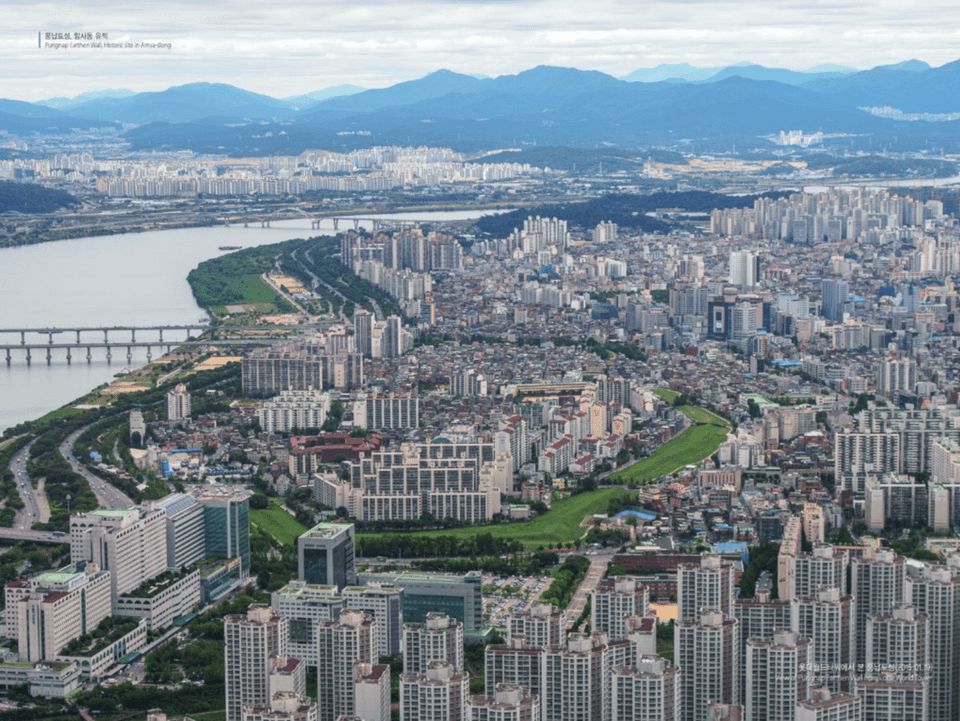
Online, both the e-book and photo materials will be provided. The photo book e-book can be viewed on the Seoul Metropolitan Government website and the Seoul Institute’s “Seoul in Photos” site. The photographs will be made available domestically and internationally through “Seoul in Photos” and Google Arts & Culture.
The images in “Seoul in Photos” are covered by Public License Type 1. Anyone, including citizens, researchers, and creators, may freely use the images as long as the source is credited. That means the 30 years of records can now be reused as research, creative, and educational material.
The documentation project is expected to continue with citizen participation. Choi In-kyu, director of Seoul’s Design Policy Bureau, said, “The Seoul Landscape Documentation project is a public act of turning change into memory,” adding that Seoul is preparing a contest to continue recording the city together with citizens and build a city archives ecosystem that will be passed on to the next generation.