
The Korea Fire Agency activated an emergency response system and pre-deployed special drainage equipment to Chungju, North Chungcheong Province, after heavy rain of more than 200 millimeters was forecast for central regions for three days starting on the 17th.
On the 18th, 50 to 100 millimeters of rain is expected in the Seoul metropolitan area and Gangwon Province, with over 200 millimeters in some places. Rain that falls in a short period can lead to river flooding, road and home inundation, and landslides.
Casualties are concentrated in low-lying areas such as underpasses, riverbanks, and semi-basement rooms. If water begins pooling on the floor of an underground space, evacuation should begin before the water reaches knee height.
Key preparations for reducing damage include checking drainage outlets and installing flood barriers before the rain, installing the Safe Step app, and confirming evacuation shelters.
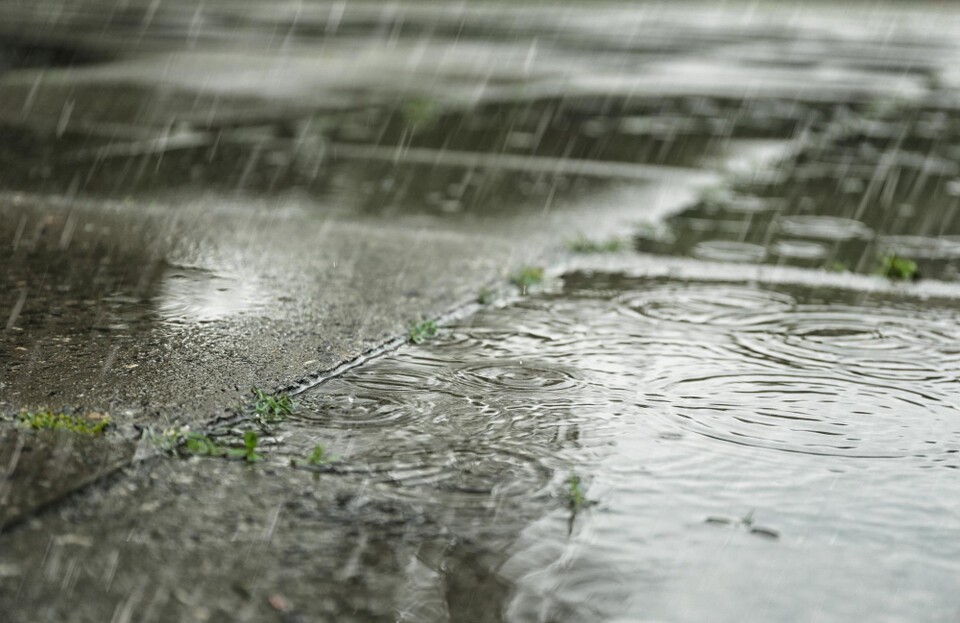
As a deluge is forecast for the central region this weekend, fire authorities are shifting into an emergency response mode. The key issue is the time remaining before the rain hits. Officials say the scale of damage will be determined by both the pre-deployment of equipment and citizens’ advance preparations.
The Fire Agency said it held a heavy-rain preparedness meeting on the afternoon of the 16th at the Integrated Command and Control Center, chaired by acting Fire Commissioner Choi Yong-cheol, to review nationwide fire response readiness.
According to the weather outlook, 30 to 80 millimeters of rain is expected in Jeolla regions including Gwangju, North Jeolla, and South Jeolla from the 16th to the 17th, with more than 100 millimeters in some areas such as the west coast. On the 18th, 50 to 100 millimeters is forecast for the Seoul metropolitan area and Gangwon Province, with more than 200 millimeters in some places. Daejeon, Sejong, and South Chungcheong are also expected to see more than 200 millimeters in some areas, while North Chungcheong is forecast to receive up to 150 millimeters or more.
◆ Pre-deploying special drainage equipment to shorten the golden hour
The Fire Agency will activate its emergency response task force at 4 p.m. on the 17th. It is a system that monitors weather conditions and local damage in real time and mobilizes firefighting resources immediately when needed. Fire headquarters in Seoul, Incheon, Gyeonggi, and Gangwon, where damage is feared, will also operate response task forces from the same time.
The large-capacity foam water discharge system operated by the Ulsan 119 Chemical Rescue Center will be moved to the Chungcheong and Gangwon 119 Special Rescue Team in Chungju, North Chungcheong, by 6 p.m. on the 17th. The equipment was originally introduced to respond to large tanker fires, but it is also used for pumping out water from large flooded areas.
Chungju sits at a key point within reach of the metropolitan area, Gangwon, and Chungcheong, all of which are forecast to receive heavy rain. In disaster response, the time it takes equipment to reach the scene is directly linked to the extent of damage. The idea is to have it stand by near the expected impact area rather than dispatching it from Ulsan after an incident occurs, thereby shortening the golden hour.
Acting Commissioner Choi said, “When a large amount of rain concentrates over a short period, the risk of casualties from river flooding, road and home inundation, and landslides increases.” He added, “We will leave no gaps in protecting the lives and safety of the public by pre-positioning available firefighting resources and equipment in high-risk areas.”
◆ Casualties begin in underground and riverside areas
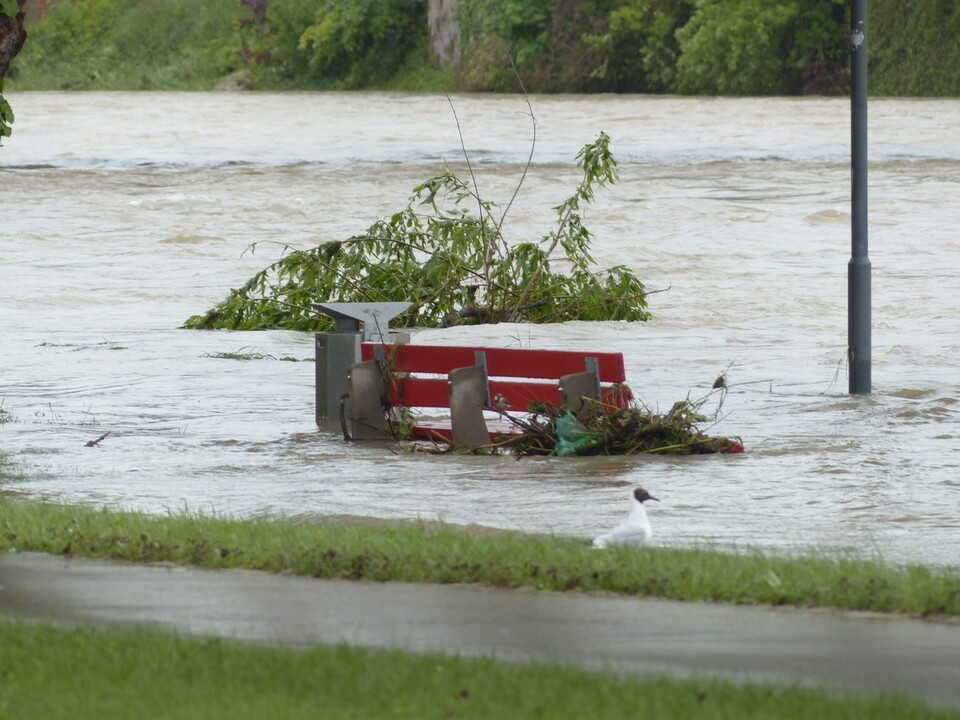
Official measures alone cannot prevent all damage. Looking at past casualties from heavy rain, the accident sites repeat themselves: underpasses, riverbanks, mountain streams, and semi-basement homes—low-lying spaces where water gathers.
According to the Ministry of the Interior and Safety’s public safety guidelines, flooded underpasses and roads should never be crossed, even if the water appears shallow, because it is impossible to judge the current or depth. Riverbanks, streamside areas, and coastal zones should be avoided altogether due to the risk of being swept away by fast-moving water. Hikers in mountains and valleys should leave slopes and streambeds immediately. It is also prohibited to go out to check rice-field embankments or irrigation channels.
Underground spaces are a race against time. If even a little water begins to enter the floor of a semi-basement residence or basement shopping area, or if the drain backs up, evacuation must begin immediately. Once the outside water depth exceeds about 50 centimeters, roughly knee height, it becomes impossible to open a door alone because of water pressure. In that case, the power should be cut off first, and several people should work together to open the door and get out. Even ankle-high water entering stairs can make it difficult for children and the elderly to climb, so evacuation should begin the moment water starts coming in.
Neighbors who have difficulty moving on their own should also be checked on. The safety guidelines advise seeking help from nearby people and evacuating together if there are vulnerable evacuees such as elderly people with limited mobility or people with disabilities. In neighborhoods with many semi-basement households, a mutual contact network among neighbors is seen as a practical safety measure.
Vehicles also have clear thresholds. A car should be moved to safety before water submerges more than two-thirds of the tires. If moving it is difficult, windows or the sunroof should be opened in advance, before the engine stalls, to secure an escape route. Entering an underground parking lot to move a car can itself become life-threatening.
◆ Thirty minutes before rain: preparation steps that reduce damage
The solution emphasized by experts lies in preparation before the rain starts. These are the things that can be done now.
Start by checking around the house. If gutters and drainage outlets are clogged with leaves or trash, rainwater can back up in an instant. Simply clearing them in advance can significantly reduce the risk of flooding. Flood barriers and sandbags should be installed at entrances to semi-basement homes and underground parking lots where flooding is expected. Vehicles parked along riverbanks or in low-lying areas should be relocated to higher ground ahead of time.
The role of apartment complexes and building managers is also important. Flood barriers and sandbags should be installed at underground parking lot entrances, and once water begins to enter, access for people trying to move vehicles should be blocked. If evacuation becomes necessary, management offices should also guide residents to higher floors inside the building or to nearby shelters.
It is also necessary to secure information channels. Installing the Ministry of the Interior and Safety’s Safe Step app on a smartphone enables real-time alerts for weather warnings, landslide alerts, and flood advisories. People should also check nearby evacuation sites in advance through the National Disaster and Safety Portal or their local government’s website, and set a meeting place in case family members are separated. Evacuation routes should avoid riverbanks, mountain paths, and areas around utility poles and transformers.
There are also indoor safety rules. If flooding or a power outage is possible, gas should be shut off in advance to prevent secondary accidents, and a portable lantern should be used instead of candles during an outage. If you must walk through flooded roads, stay at least two to three meters away from outdoor electrical fixtures such as streetlights, traffic lights, and signboards to avoid electric shock.
Even after the rain stops, caution is necessary. Houses that were flooded should only be used after electrical and gas safety inspections are completed. Roads that have been cleared of water may still have weakened ground, so damaged sections should be avoided.
When stranded, forcing movement can be even more dangerous. If you are inside a building, move to a higher floor and wait for rescue, and when calling 119, provide specific details about the location, the number of people, and how quickly the water is rising. An accurate report helps firefighters make faster deployment decisions.