Earphones that let you listen to music without blocking your ears are rapidly increasing. People can hear car horns while walking and avoid missing the person next to them while running. This product category, known as “open-ear earphones,” has become one of the pillars of the wireless audio market.
According to the industry, Samsung Electronics is preparing “Galaxy Buds Able,” an open-ear wireless earbud that does not block the ears. The model uses a clip-on design that hooks onto the ear. Instead of sealing the ear canal like conventional in-ear earphones, it is designed so users can listen to music or take calls while still hearing surrounding sounds.
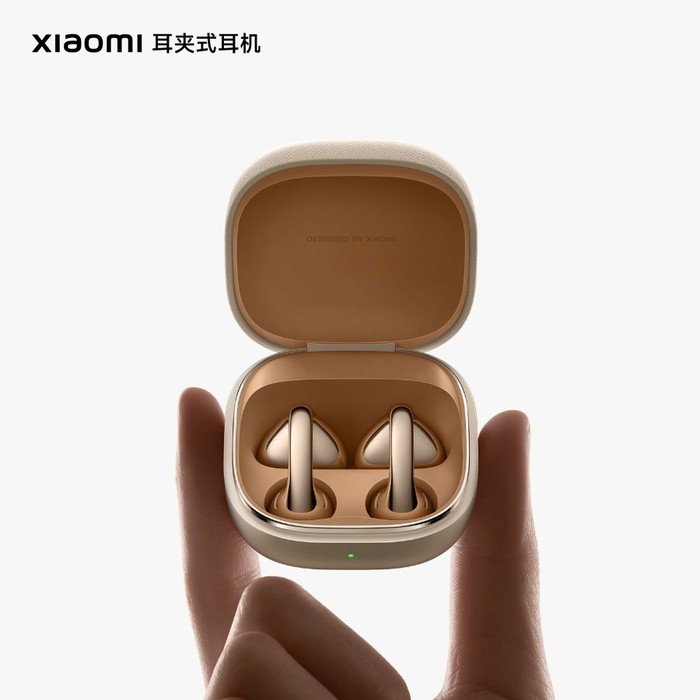
Xiaomi is also signaling entry into the same market. On the 14th, the company unveiled official images of its first clip-on earphones. The model is said to feature a satin-gold color, a glossy body, and a transparent spherical sound output unit. Industry observers expect Xiaomi to unveil the new product later this month.
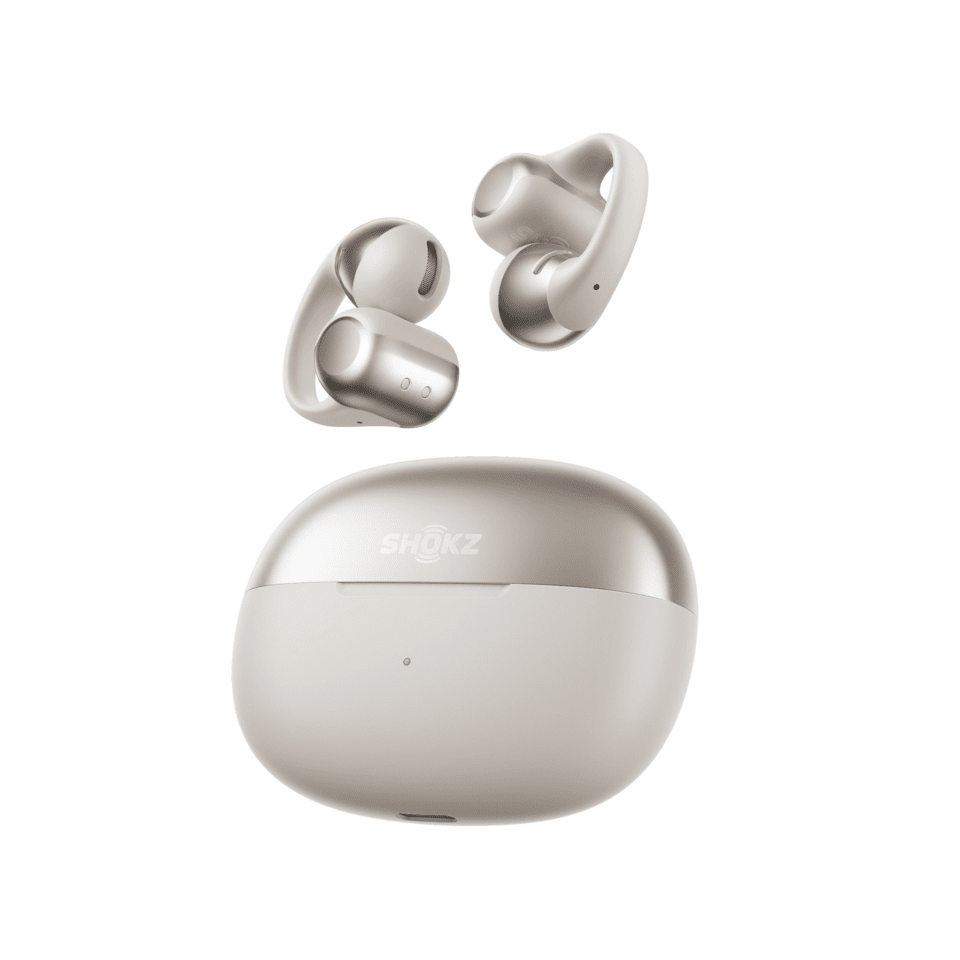
The fact that two major smartphone makers are preparing the same category of product side by side is itself a sign of change. Huawei FreeClip, Bose Ultra Open Earbuds, Anker Soundcore AeroClip, and Sony LinkBuds Clip have already been released in similar forms. The arrival of latecomers suggests this market has moved beyond a niche.
To understand open-ear earphones, it is important to first know how they differ from in-ear models. Most wireless earphones people commonly use are in-ear types. They work by inserting silicone tips into the ear canal to block outside sound. Since sound does not leak out and external noise is blocked, they are well suited for immersive listening.
Open-ear models start from the opposite idea. They do not fully block the ears. As a result, users can hear car sounds, announcements, and the voices of people nearby while listening to music. Unlike conventional earphones that emphasize isolation and immersion, open-ear models focus on the convenience of hearing outside sounds along with the content.
This small structural difference has changed how they are used. For people running on roads, the sound of vehicles approaching from behind is directly tied to safety. The same applies to people riding bicycles or walking to work. Earphones that block the ears can become a risk in such situations. This is why open-ear products have quickly captured demand for running, cycling, and outdoor activities.
Lower long-term wearing strain is another reason. In-ear models, which press silicone tips into the ear canal, can cause ear discomfort or a feeling of stuffiness when worn for a long time. They may also trap moisture in the ear canal and lead to inflammation. Open-ear models, which do not block the ears, are relatively free from such pressure and hygiene concerns.
Within the open-ear category, a generational shift is also underway. For a while, the representative form of open-ear products was bone-conduction technology. Bone conduction transmits sound through skull vibrations without going through the eardrum. It gained recognition among marathon runners and fitness enthusiasts.
However, bone conduction had clear weaknesses. Complaints persisted that sound quality was poor and that the device’s vibrations became distracting when the volume was turned up.
The segment now driving market expansion is not bone conduction but clip-on models based on air conduction. Air conduction transmits sound through the air, like ordinary earphones, but places the speaker near the ear opening.
A clip-on model refers to a design that lightly grips the outer ear like a clothespin. It avoids inserting anything into the ear while reducing sound-quality loss and vibration issues. It also places less pressure on the ear and lowers hygiene concerns in the ear canal.
In other words, it preserves the advantage of bone conduction—leaving the ears unblocked—while reducing its drawbacks. Samsung and Xiaomi’s decision to adopt clip-on models is closely tied to this trend.
Market size also supports the shift. According to market research firms Dataintelo and Intel Market Research, the global open-ear headphone and earphone market is expected to grow from about $3.8 billion last year to about $4.2 billion this year. That amounts to more than 6 trillion won. If smartphone makers enter the field by leveraging integration with their own devices, competition is expected to intensify further.
Here is one point consumers should keep in mind: saying that a product does not block the ears is easily mistaken for saying it is safe for hearing.
In fact, many advertisements for bone-conduction earphones claim they are good for hearing protection. But experts say such claims lack scientific backing.
Hearing damage depends less on whether the ears are blocked and more on how loud the sound is and how long it is listened to. The World Health Organization recommends using earphones at no more than 60% of maximum volume and for no more than 60 minutes a day. Exposure to noise above 85 decibels for extended periods can damage hearing, and once auditory cells are destroyed, they cannot recover.
Open-ear models can actually present a trap at this point. Because outside sounds come through as they are, music may be hard to hear in noisy places such as subways or busy streets. That naturally leads users to turn the volume up.
Once the volume is raised to drown out ambient noise, the strain on hearing can become greater than with in-ear models. In other words, the advantage of open-ear products can turn into a weakness depending on the environment.
Ultimately, it is unwise to feel safe based on product shape alone. In noisy environments, it is better not to raise the volume and instead pause the music for a while, and in quiet places, listening at an appropriate volume is the most reliable way to protect your hearing, regardless of which earphones you use.
As the range of choices has widened, it has become more important to choose the product that suits you. The criterion is simple: decide first where you will use it and what you will do with it.
If you want to immerse yourself deeply in music in a quiet office or at home, in-ear models with strong noise isolation still have the advantage. On the other hand, if you spend a lot of time outdoors or do not want to miss surrounding sounds for safety, open-ear models are the answer.
Among open-ear models, people who wear glasses often may find clip-on models more comfortable than bone-conduction or earhook styles that extend behind the ear. User reviews also suggest that rear supports can be bothersome when wearing thick winter clothing.
Products made by smartphone manufacturers have the advantage of smooth integration with their own devices. However, consumers should also consider that this convenience can tie them to a specific brand ecosystem. In the end, whichever earphones you choose, picking based on your lifestyle pattern rather than the feature list will reduce regret.
Samsung and Xiaomi’s entry is likely to make open-ear earphones more common and more affordable. As competition intensifies, consumers will have more options. But as products become more varied, the more important question is not “What is good?” but “What is right for me?” Whether the ears are blocked or not, the decision remains with the user.