
Key points
▶ Reports say Nvidia’s latest AI chips, whose export to China is banned by the United States, have appeared for sale in an electronics market in Shenzhen, China.
▶ The Washington Post reported on Nov. 25 (local time) that a Huaqiangbei vendor quoted 20 million yuan (about 3.9 billion won) for a server equipped with eight Blackwell B300 chips. That is five times the reported U.S. price of about $600,000.
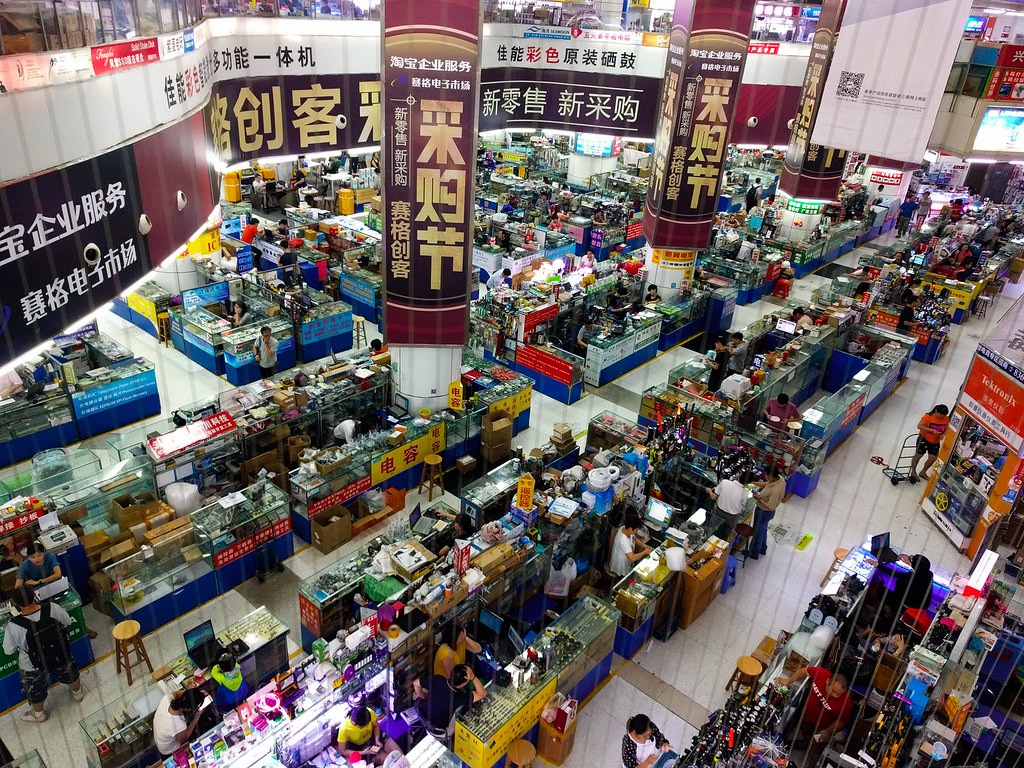
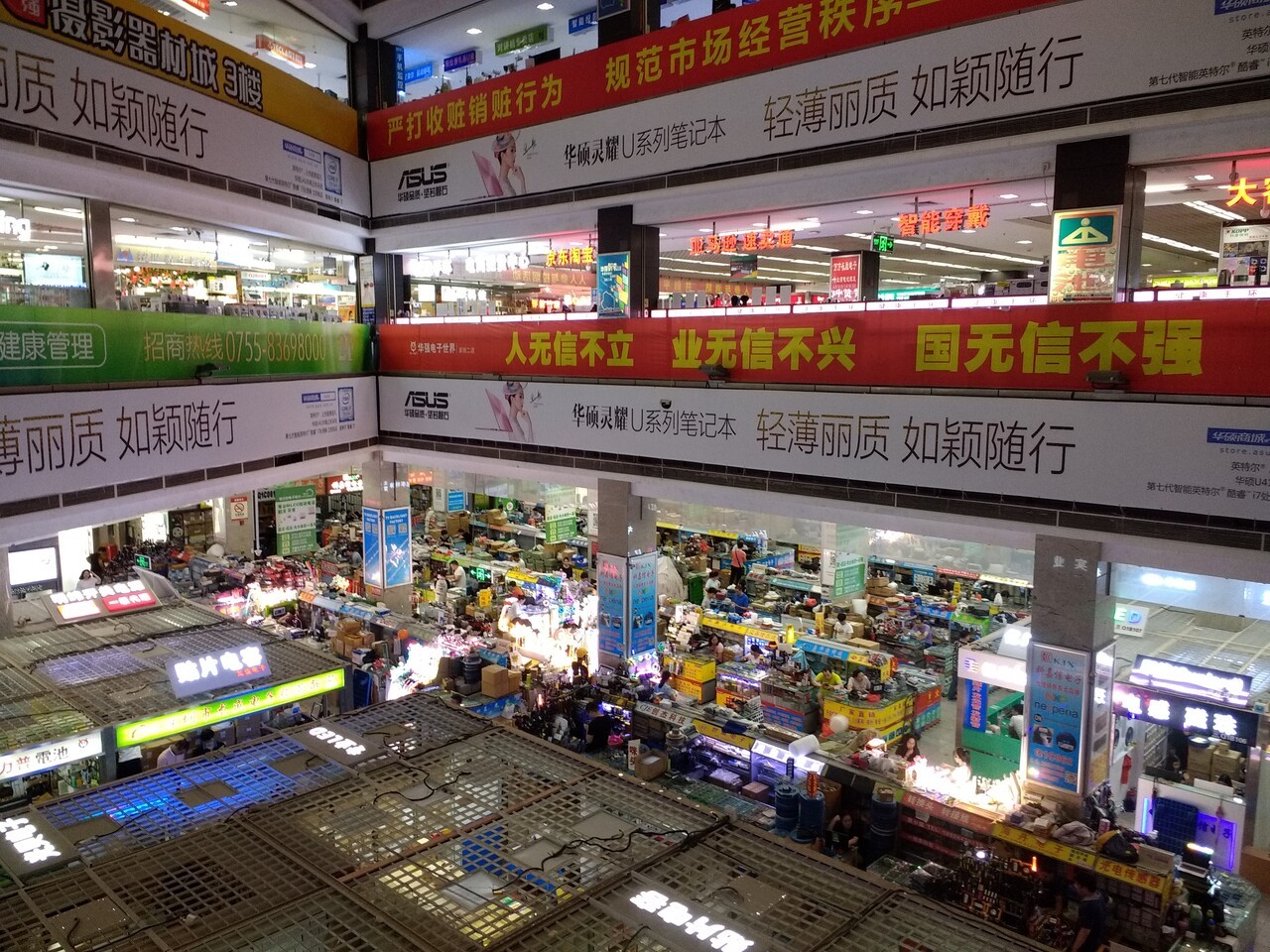
Nvidia’s latest AI chips, whose export to China is banned by the United States, have appeared for sale in a Chinese electronics market. The Washington Post reported on Nov. 25 (local time) that vendors in Shenzhen’s Huaqiangbei district were smuggling in and selling Blackwell-series AI chips and high-performance graphics processing units (GPUs).
One vendor quoted 20 million yuan (about 3.9 billion won) for a server equipped with eight B300 chips. That is about $3 million. The Post said it was unable to verify whether the products vendors offered for sale were genuine.
U.S. price five times lower
Huaqiangbei is China’s largest electronics market. It is about 10 kilometers from the location where U.S. President Donald Trump and Chinese President Xi Jinping held a summit last week.
A vendor contacted by the Post initially denied selling Nvidia chips. After reporters made several inquiries, the vendor quoted 20 million yuan for a B300 server. The B300 is a top-of-the-line AI chip in Nvidia’s Blackwell series. Other vendors quoted similar or slightly higher prices. The same server is reportedly sold in the United States for about $600,000.
High-performance consumer GPUs, including the RTX 5090, and the professional-grade RTX Pro 6000 were on display in shops. The B300 servers were not available for inspection. Vendors said the products were kept in a separate warehouse and that customers would have to pay a deposit before viewing them.
Prices up 50% in two months
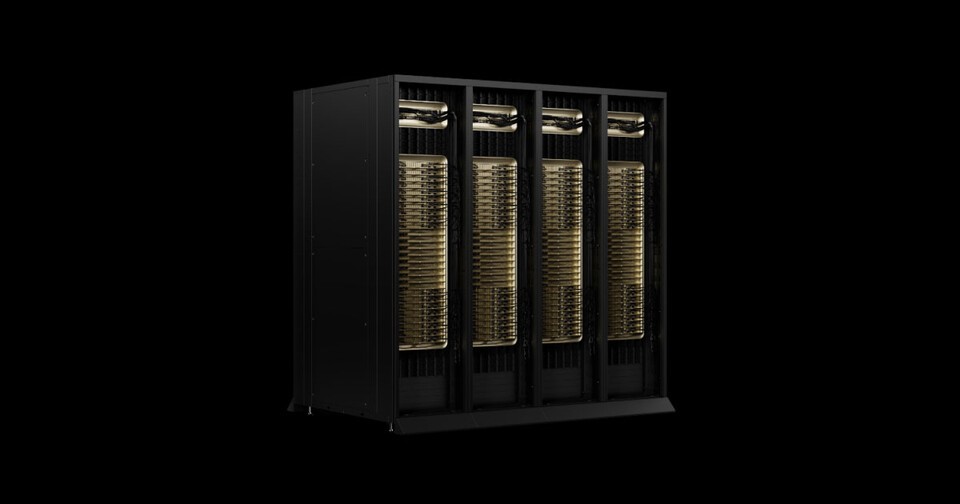
Prices quoted by local suppliers have risen rapidly. A supplier identified as Wu told the Post that a B300 server cost about $2 million just two months ago. He said prices rise whenever U.S. authorities or Nvidia restrict supplies. He said the products mostly come from Hong Kong but that he did not know the precise route they took before reaching there.
Reuters reported on April 30 that B300 servers in China cost about 7 million yuan (about 1.365 billion won). At the end of last year, they were priced at around 4 million yuan (about 780 million won). Tighter U.S. export controls, crackdowns on smuggling and growing demand from Chinese technology companies have been cited as factors behind the price increases.
The United States stepped up restrictions related to advanced AI chips several times in November. On Nov. 16, the Commerce Department’s Bureau of Industry and Security (BIS) announced a licensing requirement for advanced chip exports to four Southeast Asian countries and Brazil. It also required licenses when overseas data centers provide Chinese companies with AI computing resources above a certain scale.
On Nov. 23, the United States added seven entities, including Singapore’s Megaspeed, to its export control list. Nvidia also said in its earnings announcement on Nov. 17 that it had halted shipments of Hopper-series chips to China.
Nvidia CEO Jensen Huang’s position was also reported to be a factor affecting the local market. Huang stepped down from his post on Nov. 12 and returned on Nov. 23. One vendor said he had worried that GPU prices would continue to rise when Huang stepped down, but thought prices might stabilize after his return.
Legal exports limited to H200
The Blackwell chips offered by Huaqiangbei vendors are banned from export to China. Since late last year, President Trump has partially eased restrictions on Nvidia chip exports to China. The permitted range extends only to the H200, a Hopper-series chip one generation behind Blackwell, and exports are subject to certain conditions.
Nvidia reportedly did not respond to the Post’s questions. When Reuters reported on the issue in April, the company said the B300 was subject to restrictions on sales to China. It also said it would not provide technical support or services for systems that had been illegally distributed.
Buyers are not limited to Chinese customers. Local vendors claimed that customers in Russia and Iran also buy Nvidia chips. Joshua Woodard, founder of Shenzhen-based supply chain consultancy Sparrow, said Chinese AI developers were seeking Blackwell chips.
There have been multiple reports that many leading Chinese AI models were developed using Nvidia chips. The Post also reported that procurement records from Chinese research institutes and universities had revealed purchases of chips covered by U.S. export controls.
The dilemma facing China’s AI industry
Nvidia chips are a major factor in the U.S.-China competition over AI technology. Kyle Chan, a researcher at the Brookings Institution, told the Post that the process by which Nvidia chips reach Chinese companies is itself an important issue for U.S. policymakers.
There are differences within the Chinese government over how to secure advanced semiconductors. According to Chan, China’s Ministry of Commerce favors importing Nvidia chips, while the National Development and Reform Commission, which oversees macroeconomic policy, places greater emphasis on strengthening domestic chip production.
Liu Chang, a spokesperson for the Chinese Embassy in Washington, said China opposed the United States’ overly broad interpretation of national security and its abuse of export controls. He said such measures undermine the stability of global industries and supply chains.
High chip prices could also weigh on the profitability of Chinese AI companies. Local supplier Wu said Chinese companies were competing excessively to secure Nvidia chips. He also questioned whether a business model that offers AI models developed using expensive equipment for free could be sustained over the long term. U.S. AI companies, he noted, can obtain chips without paying black-market prices and charge users subscription fees.