
▶ Personal information belonging to about 46,000 current and former employees of TSMC, the world’s largest contract chipmaker, has been listed for sale on a hacking forum. The hacker claims to have obtained 6.9GB of data and is demanding three bitcoins.
▶ TSMC acknowledged that some employee information was disclosed without authorization on an external website. The company said it has found no evidence that its own systems were breached and that the disclosed information matches data held by an external cloud services provider.
▶ The hacker claims the data includes 19 types of information, such as ID numbers, addresses and banking details. TSMC has notified affected employees and is investigating the leak with the external provider and law enforcement.
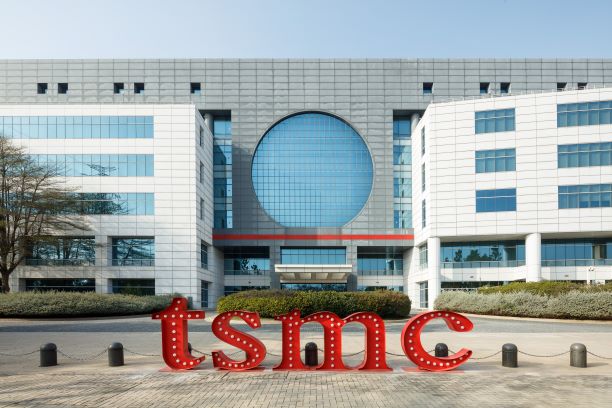
Personal information belonging to current and former employees of TSMC, the world’s largest foundry, has been listed for sale on a hacking forum. The hacker claims to have obtained data on about 46,000 people and is demanding three bitcoins. TSMC acknowledged that employee information was disclosed externally but said it had found no evidence that its own systems were compromised.
According to reports on the 15th by Taiwan’s United Daily News and international cybersecurity publications, posts offering TSMC employee information for sale recently appeared on the hacking forums DarkForums and BreachForums.
The seller claims to have obtained a total of 6.9GB of data. The asking price is three bitcoins, worth about $220,000 at the time the post appeared. The data is reportedly said to contain 19 types of information, including employees’ names, dates of birth, nationalities, job titles, ID numbers, addresses, mobile phone numbers, email addresses, banking information and emergency contacts.
As proof of access to the data, the hacker released a file called “tsmc.txt.” The sample reportedly contained 499 records of personal information. The hacker also threatened to publish the entire dataset if no buyer came forward within a week.
The hacker’s identity and affiliations have not been confirmed. It is also unclear whether the actual scale of the leak matches the seller’s claims.
◆ TSMC: “No evidence of breach of internal systems”
In a filing with the U.S. Securities and Exchange Commission on the 12th, TSMC said it had confirmed that information belonging to some current and former employees was disclosed without authorization on an external website.
The company said it had found no evidence that its own systems were breached and that the disclosed data matched information held by an external cloud services provider.
TSMC also said the information was unrelated to semiconductor production operations or customer data. It has informed affected employees and is providing necessary support. The company is working with the external cloud provider, law enforcement and security specialists to investigate how the information was leaked and the extent of the damage.
TSMC has not named the cloud provider or disclosed the exact number of people affected. It has also not confirmed how the hacker obtained the data. The information disclosed externally consists of employee personal data. There is no confirmation that semiconductor designs or advanced process technology were leaked.
If ID numbers, contact details and banking information were indeed exposed, they could lead to further harm, including identity theft and financial fraud. There are also concerns that employee information could be used in targeted phishing attacks against specific individuals.
◆ Contractor hacked in 2023 as well
This is not the first time TSMC has faced a data leak linked to a security incident at an external contractor. In 2023, Kinmax, an IT services contractor, was hit by a ransomware attack. The hacking group LockBit claimed to have obtained TSMC-related data and demanded $70 million.
At the time, TSMC also said its internal systems had not been attacked. The data in question was reportedly related to information managed by the contractor. The current incident is similar in that it also involves data held by an external provider.
Semiconductor companies use external service providers for a range of functions, including human resources, payroll and recruitment, as well as production equipment and core technologies. Personal information about employees held by contractors must also be included in security management efforts.
TSMC continues to maintain that there is no evidence its own systems were breached. The actual route of the leak and the external provider’s security practices are expected to be clarified through further investigation.
◆ Personal data leaks continue in Taiwan
In Taiwan, a series of personal data leaks have recently affected companies and online service providers.
Local media have reported a potential leak involving up to 4.8 million people at e-commerce platform 91APP. Around 120,000 records were reportedly leaked from job platform 104. Similar incidents have also occurred at travel agencies and food-related companies.
Taiwanese authorities have warned that as AI-powered automated attacks become more widespread, methods for probing corporate security vulnerabilities and attempting to infiltrate systems are also growing more sophisticated.
AI-based tools can be used to identify targets, analyze vulnerabilities and write phishing messages. There are calls for companies to assess not only the security of systems they operate themselves but also that of their external contractors.
◆ Importance of managing external cloud security highlighted
The incident has once again drawn attention to the management of personal information entrusted to external cloud providers.
Even when a company’s internal systems are not directly breached, a leak from data held by an external service provider can harm employees and customers.
Major manufacturers, including semiconductor companies in South Korea, also use external cloud and contractor services for human resources management and operational support. This is why they need to manage the data and access permissions they provide to external companies, as well as how long that data is retained.
Given that the semiconductor industry handles key research personnel and advanced manufacturing technology, companies must also consider the possibility that employee personal information could be exploited in targeted cyberattacks. TSMC is investigating the circumstances of the incident with the external cloud provider and relevant authorities.