
Most of Iran’s underground missile bases, which were subjected to intensive U.S. and Israeli airstrikes, have been rapidly restored.
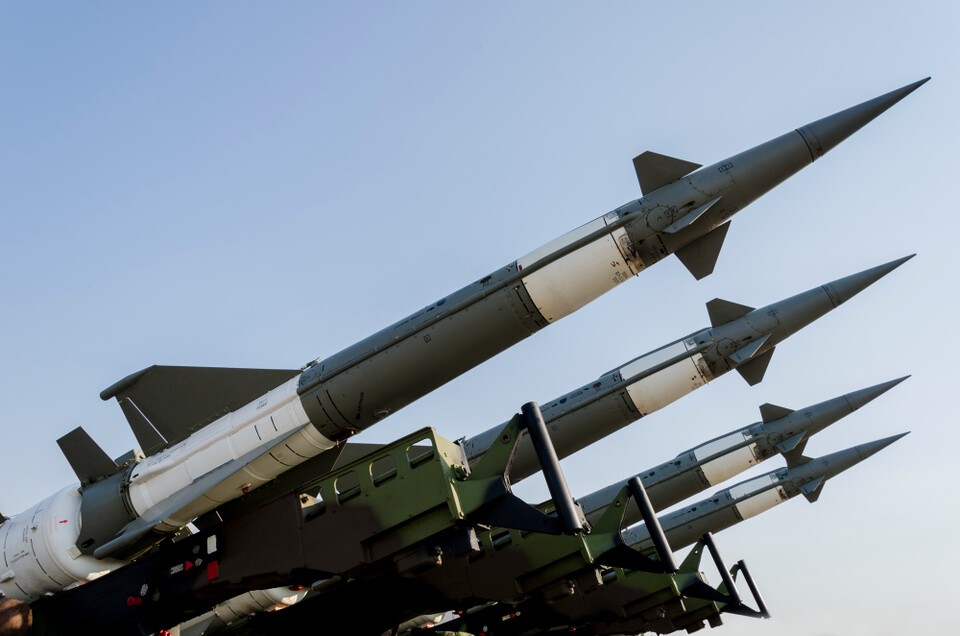
After the ceasefire, Iran reportedly used heavy equipment to reopen buried tunnel entrances and restore most of the damaged access roads.
CNN reported on the 30th of last month, local time, that its analysis of satellite imagery found 50 of 69 tunnel entrances at Iran’s underground missile facilities had reopened. The analysis covered 18 underground facilities, just over seven weeks after the ceasefire was declared.
The equipment used in the recovery was ordinary. Satellite images showed bulldozers, dump trucks, and excavators clearing debris from the buried entrances. Machinery commonly seen on construction sites reopened passages that had been blocked by advanced weapons.
Tunnel entrances and roads restored to their original condition
Signs of recovery were detected at multiple bases. At a missile base in Dezful, satellite images taken on the 12th of last month showed that four of the five entrances leading to the underground facility had reopened.
Only one remained blocked. At bases near Isfahan and Khomein, buried tunnel entrances were also restored, and most of the craters left in roads by the bombardment were filled in.
The method adopted by the United States and Israel during the war was to seal off entrances. Rather than directly destroying deeply buried storage sites, they bombed tunnel entrances and roads to cut off missile access, aiming to trap the missiles underground.
The effect did not last long. Blocking the entrances was only a temporary measure and did not eliminate the facilities themselves. Once the ceasefire took effect, Iran immediately began restoration work.
About 1,000 missiles are believed to be stored beneath bedrock
Experts’ assessment is more cautious. Some facilities are believed to have been built beneath bedrock several hundred meters thick, meaning they may not have suffered fatal damage from strikes on the surface alone.
Experts estimate that Iran is still storing about 1,000 missiles underground. With the entrances reopened, that also means access to those stockpiles has been restored.
Sam Lair, a researcher at the James Martin Center for Nonproliferation Studies under Middlebury Institute of International Studies, said that “if launchers and operating personnel are secured, missiles can continue to be fired even if production is halted.” He assessed that the stockpile itself is sufficient.
During the war, U.S. President Donald Trump had made neutralizing Iran’s missile power one of his main goals. The United States and Israel struck not only the bases but also supply chains, including production plants. However, even U.S. intelligence agencies were said to have assessed that Iran is resuming drone production and restoring its missile launchers and production capacity.
Lessons of “tactical success, strategic failure”
This case once again exposed the limits of an airstrike strategy. Experts say the tactic of burying entrances achieved short-term results, but it is difficult to remove deeply buried facilities from the air.
Precision bombing succeeded in blocking the passages, but that did not mean the missile force had been eliminated.
The speed of recovery also exceeded expectations. A intelligence official was reportedly quoted as saying that Iran is regaining its missile capability faster than initially expected. The time gap between the blockade and the recovery quickly offset the advantage gained by the airstrikes.
The remaining variable is the possibility of renewed hostilities. If conflict breaks out again, the key question will be whether bombing only the entrances can truly keep Iran’s missile forces contained. How to deal with weapons systems buried deep underground remains a central issue that will shape the future of Middle East tensions.