
It may be unveiled at the Connect event on September 23–24.
It uses six microphones for voice-based AI only, with no photo or video recording capabilities.
Removing the cameras allows the temples to be made thinner, giving the glasses a more conventional appearance. The product is likely to be unveiled at the Meta Connect event on September 23–24.
Evenrealities and RayNeo have also released camera-free products. Analysts expect the smart glasses market to split between products focused on recording and those centered on voice AI.
Key points
▶ Meta plans to launch Luna, a camera-free pair of smart glasses currently known by its code name, as early as October.
▶ Luna features six microphones and speakers, allowing users to access Meta AI and the AI assistant Muse by voice. It cannot take photos or record videos.
▶ Removing the cameras makes it possible to create thinner temples, resulting in a design closer to that of ordinary eyeglasses. The product is most likely to be unveiled at the Meta Connect event on September 23–24.
▶ Evenrealities and RayNeo have also introduced camera-free products. The market is expected to divide between products focused on recording and those centered on voice AI.
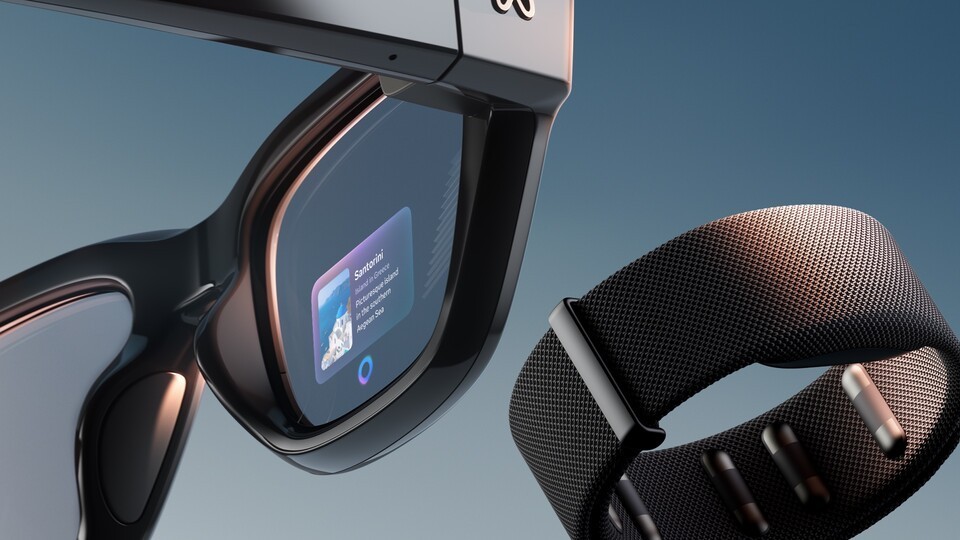
Meta is preparing to launch smart glasses without cameras. The Information, an IT-focused media outlet, reported on September 15, citing sources, that Meta plans to begin shipping camera-free smart glasses codenamed Luna as early as October. The Meta Connect developer event, scheduled for September 23–24, is considered the most likely venue for the unveiling.
Luna relies on sound instead of cameras. Six microphones built into the frames allow users to speak to the Meta AI chatbot and Muse, the consumer AI assistant launched this month. A button on the temple provides direct access to Meta AI. The speakers are reportedly similar to those on existing products. The glasses cannot take photos or record videos.
Removing the cameras also produces a secondary benefit. It allows the temples to be made thinner, creating a design closer to that of ordinary eyeglasses. The glasses are reportedly being prepared in two designs, Clubmaster and Burbank. Meta has not issued an official response to the report.
◆ Stickers designed to cover the indicator light were even sold
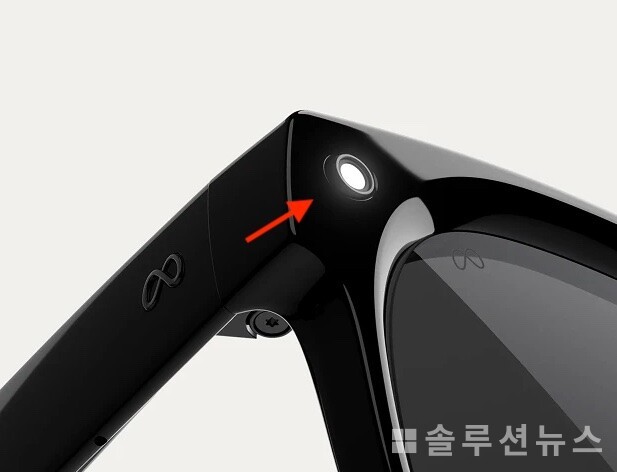
Existing smart glasses have promoted the ability to record from the wearer’s point of view without taking out a smartphone. However, concerns have followed that people nearby may find it difficult to realize they are being recorded.
Meta has introduced safeguards in response. A white LED lights up while recording, and the camera automatically shuts off if the system detects that the indicator light has been covered or damaged. The company has said that products with modified indicator lights account for less than 0.1% of total sales.
The controversy has not subsided. Cases have emerged in which some users filmed people nearby while covering the indicator light, and some deliberately recorded others in an effort to attract attention on social media.
A Dutch consumer organization last week called for a Europe-wide sales ban, pointing out that stickers designed to cover the indicator light were being sold online.
A New York court and the United Kingdom’s largest pub chain have already prohibited people from wearing the glasses. Some local governments in Australia have also moved to restrict their use in swimming pools and children’s facilities.
This has shown that technical safeguards alone may not be enough to ease the anxiety of people nearby who are not wearing the glasses. Removing the cameras entirely eliminates the possibility of covert recording at its source.
◆ The microphones remain
Removing the cameras does not resolve every privacy concern. Luna still contains six microphones. Some critics also point out that the glasses could become harder to identify as smart glasses because their appearance will be closer to that of ordinary eyewear.
The functionality is also reduced. Without a camera, Meta AI cannot describe what the wearer is looking at. Vision AI features, such as translating a sign in front of the user or identifying an object, will be unavailable.
Luna’s value will depend on how useful its voice conversations, audio features and AI assistant Muse prove to be. Unlike products with screens, Luna is reportedly not equipped with a display.
◆ The AI smart glasses market
Meta is not the first company to make camera-free smart glasses. Evenrealities has introduced a product without either a camera or speakers, while RayNeo has also unveiled a camera-free product. With Meta, the market leader, joining them, the product category appears to be splitting into distinct segments.
One segment emphasizes recording and vision AI. The other focuses on voice AI and information delivery while reducing privacy concerns. Consumers may have to choose between wearing a camera on their face and wearing only microphones.
Meta may also unveil augmented-reality glasses codenamed Phoenix at Meta Connect. The product is reportedly designed to display a virtual workspace or a screen for watching movies. Meta has not yet officially announced Luna’s specifications or release schedule.