
Starting Nov. 23, the Korea Meteorological Administration will officially begin issuing three-month sea surface temperature forecasts.
Each month, it will publish the probability of temperatures being above, near or below average.
In 2027, the forecast area will expand to include the northwestern Pacific.
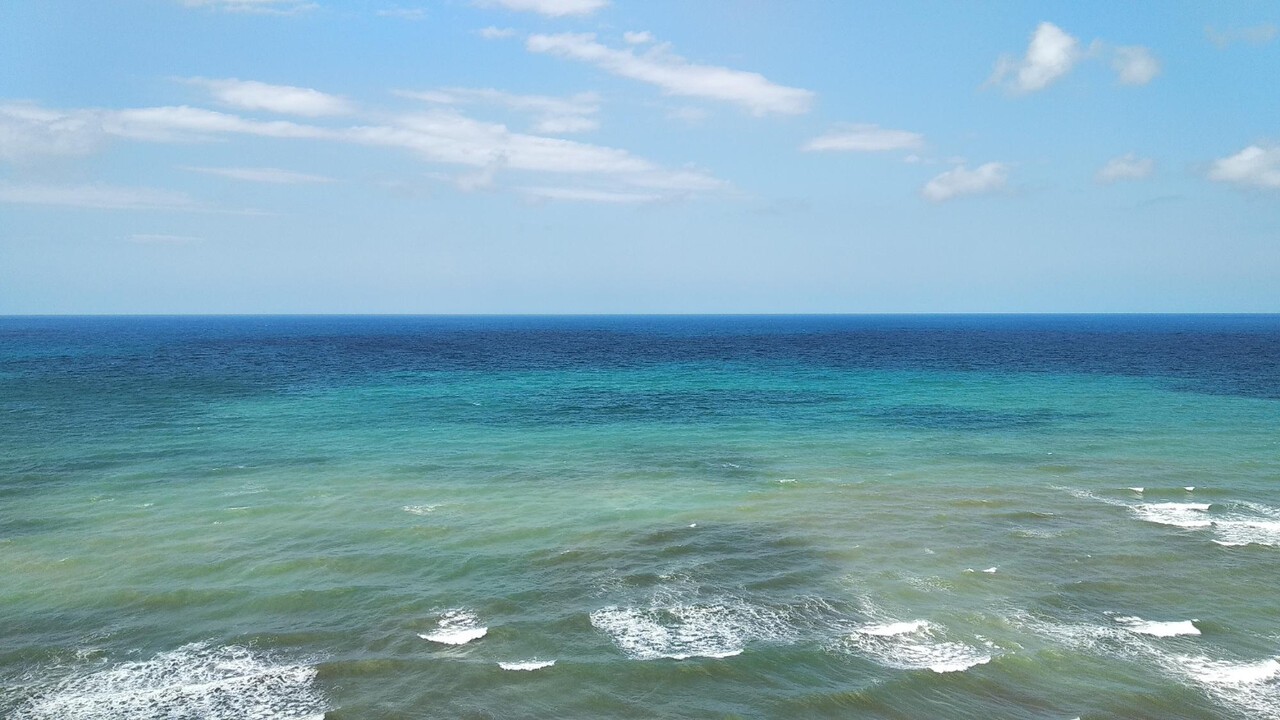
Starting Nov. 23, the Korea Meteorological Administration (KMA) will officially issue “three-month sea surface temperature outlooks” forecasting temperatures in the Yellow Sea, South Sea and East Sea up to three months ahead. It will also publish a monthly guide explaining the outlook for each sea area and the factors behind temperature changes.
The KMA has been operating the service on a trial basis since November last year. Sea surface temperatures affect maritime activities such as aquaculture and fishing, and also influence weather and climate through heat exchange between the atmosphere and the ocean.
The three-month sea surface temperature outlook will be released around the 23rd of each month alongside existing three-month forecasts for temperature, precipitation and other conditions. It will provide the probabilities that average monthly temperatures in the Yellow Sea, South Sea and East Sea will be above, near or below the 1991–2020 average. On Nov. 23, the KMA will release its outlook for December 2026 through February 2027.
The outlook will draw on 560 forecasts from the KMA’s GloSea6 Earth system climate model and climate models operated by meteorological agencies in 12 countries. It will also incorporate observations from the Cheollian-2A satellite and marine weather buoys, as well as atmospheric and oceanic reanalysis data.
The accompanying guide to the three-month marine climate outlook will explain why sea temperatures are expected to be above or below average. It will analyze key climate factors—including temperature, air pressure, wind, ocean currents, ocean heat content and heat balance—and incorporate advice from academic experts.
Beginning in 2027, the KMA plans to provide specific forecast values and ranges for sea surface temperatures and ocean heat content. The forecast area will expand to include the northwestern Pacific, and the agency will introduce a marine climate map service showing conditions on a grid of approximately 50 kilometers.
“The ocean interacts closely with the atmosphere and is a key factor influencing weather and climate,” KMA Administrator Lee Mi-seon said. “We will strengthen our marine climate monitoring and forecasting capabilities and expand the information we provide for use in responding to the climate crisis.”
The three-month sea surface temperature outlooks and accompanying guides will be available through the KMA’s Weather Nuri website, the Marine Weather and Climate Information Portal, and the Climate Information Portal.