
The Information: “U.S. BIS chief hurried approval of Nvidia H200 exports to China,” reportedly pressuring staff. Nvidia, meanwhile, has halted shipments to China.
One-minute news
▶ A senior Commerce Department official responsible for U.S. semiconductor export controls reportedly pressured staff to expedite approval of sales of Nvidia’s H200 chips to China.
▶ The Trump administration allowed H200 sales in December 2025, and in January this year opened the door to case-by-case reviews. The arrangement requires 25% of sales proceeds to be paid to the U.S. government.
▶ Nvidia has since halted shipments to China. Interim CEO Colette Kress said on the company’s earnings call on the 17th, “We are no longer shipping licensed Hopper data center products to China.”
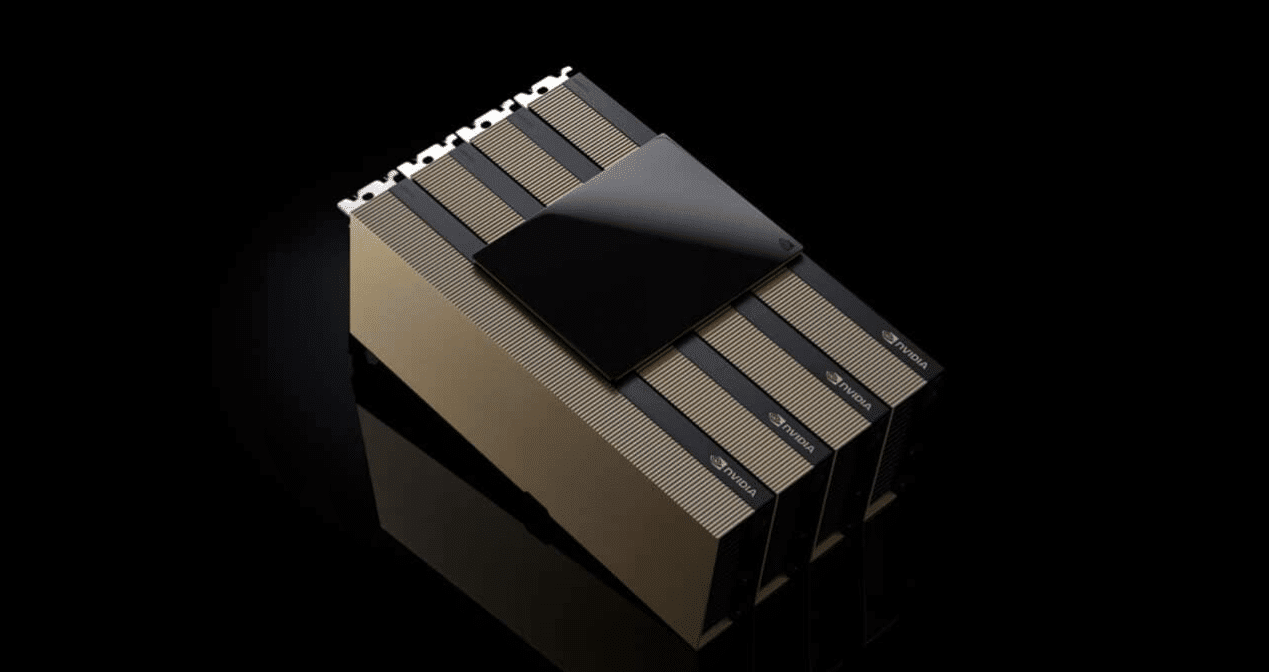
Reports have emerged that the U.S. government hurried approvals for Nvidia chip exports to China. The Information, a U.S. technology news outlet, reported on the 18th, citing three people familiar with the matter, that Jeffrey Kessler, the Commerce Department’s under secretary for industry and security, had pressured staff in recent months to speed up approvals for sales of Nvidia H200 graphics processing units (GPUs) to China.
Kessler leads the Commerce Department’s Bureau of Industry and Security (BIS), which issues semiconductor export licenses.
Pressed to “hurry” even in cases where concerns were raised
According to the report, Kessler urged staff to expedite approvals in some cases even though others had raised concerns. It was not clear which cases were involved or who had voiced concerns.
Review conditions were also challenging. BIS reportedly lost about 20% of its licensing staff in the first half of this year, causing a backlog. Kessler is said to have personally reviewed nearly all license applications.
In May, more than 10 Chinese companies, including Alibaba, Tencent and ByteDance, were reportedly approved to buy H200 chips. The Commerce Department and Kessler did not comment on the report.
How H200 exports to China were allowed
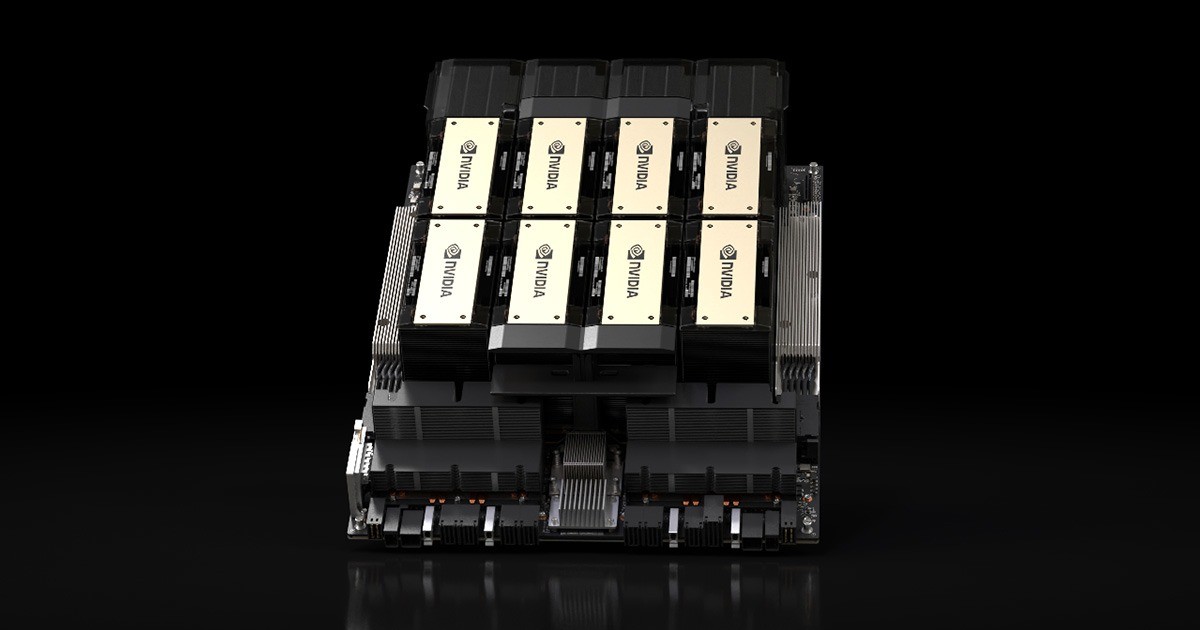
The H200 is a data center chip Nvidia designed for AI training and inference. It belongs to the Hopper generation, one generation behind the latest Blackwell chips. The Biden administration had barred exports of the chip to China.
The restrictions began to ease in December last year. After meeting then-Nvidia CEO Jensen Huang, President Donald Trump announced that sales of H200 chips to China would be permitted. On January 13 this year, the Commerce Department changed its review policy to allow case-by-case sales to vetted Chinese buyers, on the condition that 25% of sales proceeds be paid to the U.S. government. Kessler first acknowledged that shipments to China had begun at a July 14 hearing of the House Foreign Affairs Committee. He said the volumes were very small.
The Chinese government has also restricted H200 imports. On the 5th of this month, a report said about 600,000 H200 chips were being held in Hong Kong while awaiting approval to enter mainland China.
Questions raised about approved companies and “shell company” allegations
Questions about the licensing process had surfaced before. The New York Times reported on the 7th that two Chinese companies approved by the Commerce Department to handle H200 assembly and processing, Xinmatrix (Beijing) and Megainfra, appeared to have no actual businesses at their registered addresses.
A shareholder in Xinmatrix was reportedly linked to Wise Road, a Chinese private equity firm added to the U.S. Entity List in 2024. It has not been confirmed whether either company actually received H200 chips. Nvidia pushed back, saying it made no sense for the Chinese military to rely on U.S. technology.
On the 16th, the Commerce Department issued a rule to block Chinese companies from accessing U.S. chips by renting data center capacity overseas. Singapore-based Megaspeed, whose executives have included Alice Huang, who is reportedly connected to former Nvidia CEO Jensen Huang, is under criminal investigation by the Commerce Department and the Justice Department over allegations that it diverted Nvidia chips to China.
Nvidia has stopped shipments
Interim CEO Kress said on a third-quarter earnings call on the 17th, “We are no longer shipping licensed Hopper data center products to China.” Sales of licensed Hopper products to China totaled $2.4 billion in the third quarter.
Nvidia forecast fourth-quarter revenue of around $130 billion, while estimating its data center computing revenue from China at zero. Interim CEO Kress reportedly said that strong orders for the next-generation Vera Rubin chip meant the overall impact on revenue would not be significant.
The H200 uses high-bandwidth memory (HBM3E), supplied by Samsung Electronics and SK hynix.