
North Korea has begun practicing “swarm attacks” that simultaneously unleash drones, missiles and multiple rocket launchers on a single target, The Wall Street Journal reported on the 27th (local time). The tactic has proven effective in the wars in Ukraine and Iran. Experts say it could weaken the air defenses of South Korea and the United States, which rely on interceptor missiles.
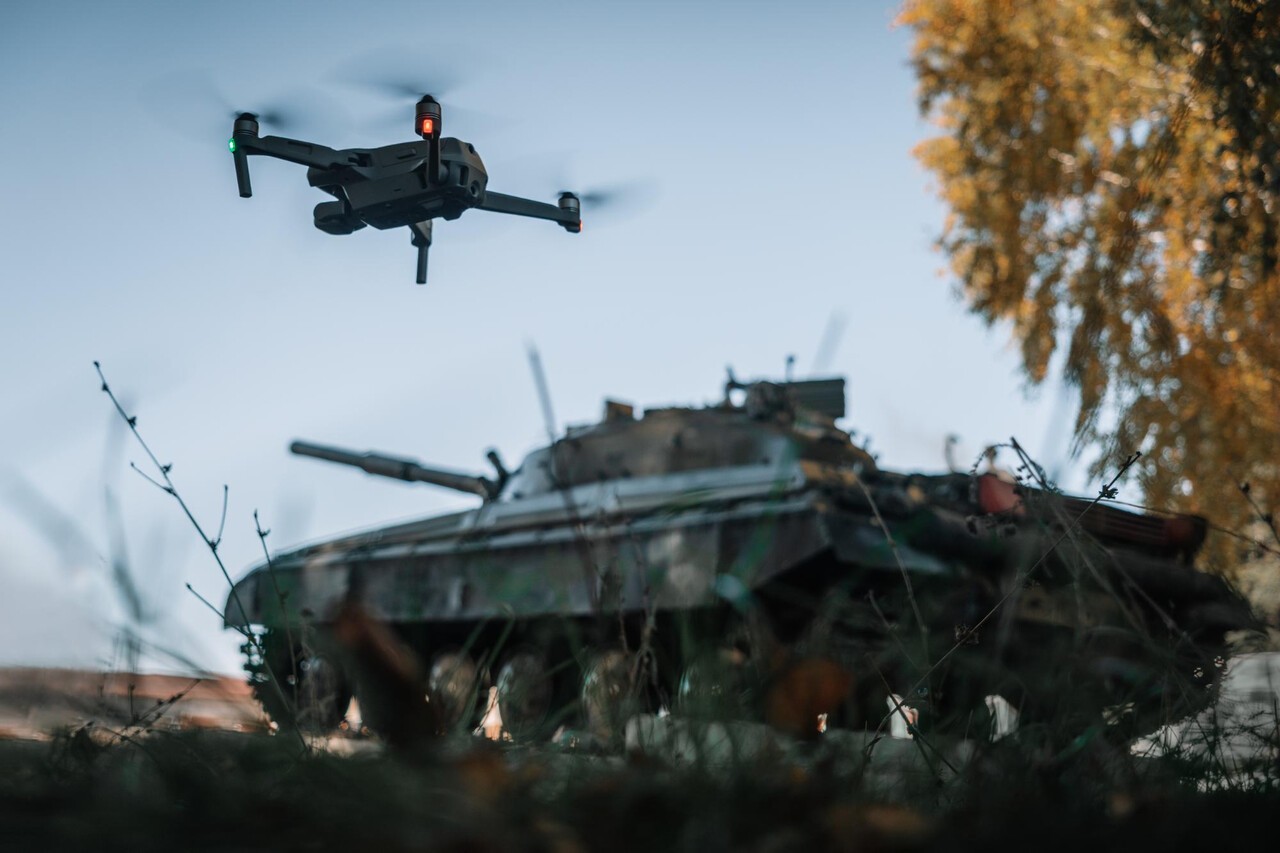
The Korean Central News Agency reported on the 14th that a joint fire-assault drill involving long-range artillery and missile units of Korean People’s Army combined forces took place on the 12th. The exercise involved four types of weapons: unmanned aerial vehicles, strategic cruise missiles, large-caliber thermobaric rocket launchers and tactical ballistic missiles. The WSJ reported that it was North Korea’s first exercise to combine attack drones, potentially nuclear-capable missiles, rocket launchers and long-range artillery against a single target.
North Korea also fired two missiles on the 20th, which it described as hypersonic. State media also released footage of a test of an upgraded 240 mm rocket with unmanned precision-guidance capabilities.
Swarm tactics involve launching large numbers of weapons with different speeds at the same time to overwhelm air defenses. Defenders must use an interceptor missile against each incoming object. A single interceptor costs more than several drones. While the drones deplete interceptor stocks, ballistic missiles can penetrate the resulting gaps.
North Korea’s swarm tactics are linked to Russia. According to the WSJ, North Korea has supplied missiles to Russia for use in attacks on Ukraine and sent personnel to Russian drone production facilities.
Ankit Panda, a senior fellow at the Carnegie Endowment for International Peace, said that large-scale attacks unleashing volleys of missiles and drones rapidly deplete defensive assets and expose weaknesses in existing defenses, adding that they “will fundamentally change the calculus of air defense.”