
▶ Apple is expected to launch a home smart display equipped with Siri AI, codenamed J490, as early as October. Prototypes are currently being tested in employees’ homes.
▶ It has a small, nearly square display and can be used either on a stand or mounted on a wall. It supports device control, video calls, intercom functions, and music and video playback.
▶ A front-facing camera identifies who is looking at the screen. It displays different apps, notes, calendars, news, and music for each family member.
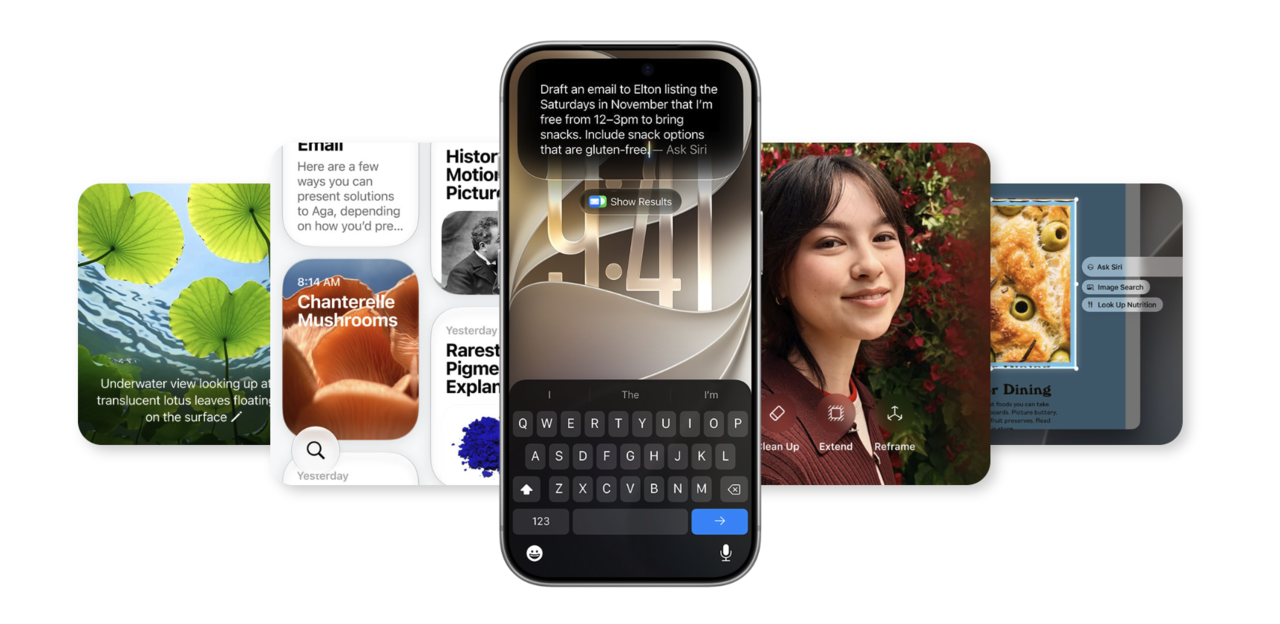
Apple is expected to launch a home smart display equipped with its artificial intelligence (AI) assistant Siri as early as next month. The device recognizes who is standing in front of the screen and displays schedules, notes, news, and music tailored to each person, Bloomberg reported on the 20th (local time).
◆ A home hub that recognizes faces
According to Bloomberg, Apple is preparing to launch a home AI hub, internally codenamed “J490,” as early as October. Prototypes are reportedly being tested in employees’ homes.
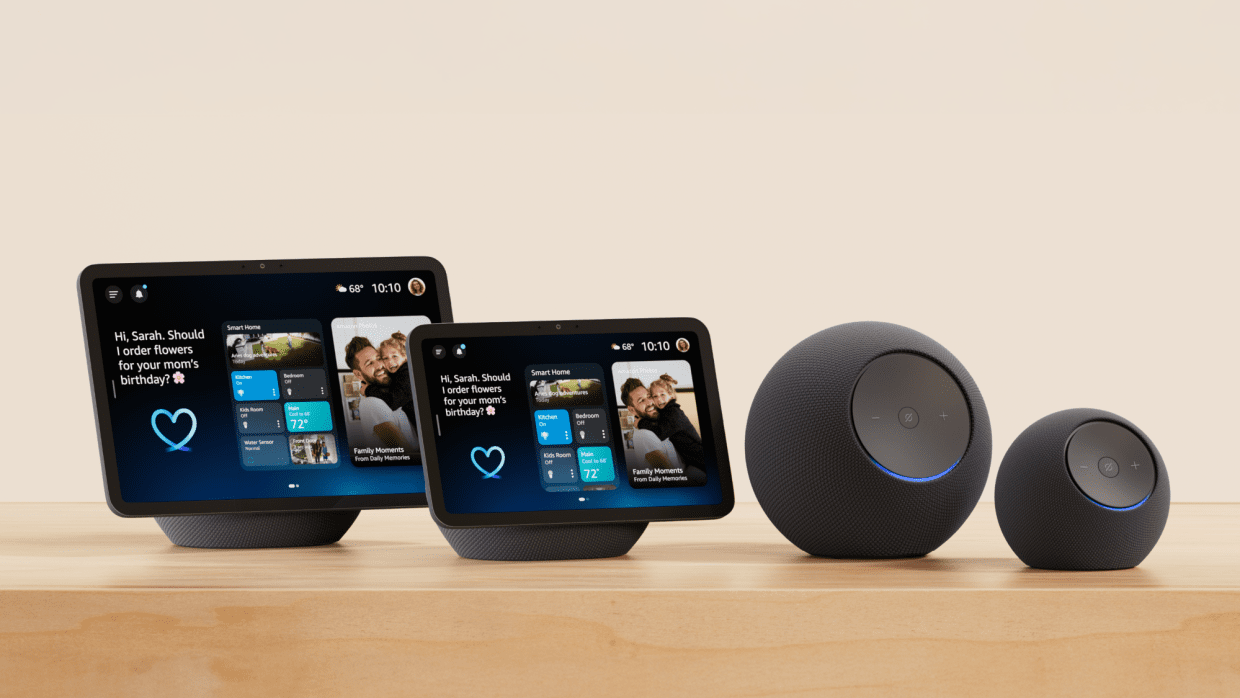
The device has a small, nearly square display and comes in two versions: one for placement on a stand and another for wall mounting. It resembles a HomePod mini cut in half, and its screen is smaller than that of the Amazon Echo Show. Its interface combines elements of iOS, tvOS, and watchOS. It supports connected-device control, video calls, intercom functions, and music and video playback.
The front-facing camera identifies the person looking at the screen. It displays apps, notes, calendar events, news, music, and podcasts differently for each user. It does not use a depth sensor like the iPhone’s Face ID. Using Siri AI, users can search for information spread across multiple devices and accounts, retrieve specific photos, and ask the assistant to perform tasks involving notes, reminders, and calendars.
Apple is also preparing new models of the HomePod mini and Apple TV that support Siri AI.
◆ Why the launch was delayed by two years
Apple originally considered releasing the product in 2024. The hardware was completed several months ago, but the launch was delayed because development of a new Siri incorporating generative AI took longer than expected.
Siri AI was released alongside iOS 27 on the 15th. It is currently a beta feature available only to users who join a waitlist. It understands personal context contained in messages, emails, and photos; responds based on what is displayed on the screen; and operates apps on the user’s behalf. Apple said it was developed in cooperation with Google using a model based on Gemini. It is initially available in English, with Korean support scheduled to begin next month. It is not yet available in the European Union or China.
Amazon Echo and Google Nest established an early foothold in the smart home market. Apple has offered HomePod speakers and Apple TV, but it has not had a hub with a built-in display.
◆ A hub at home, an iPhone outside
The home hub handles initial setup and various tasks by synchronizing with an iPhone. Apple’s vision is for the smart display to serve as the AI hub inside the home, while the iPhone performs that role outside the home.
At a product event on the 9th, Apple CEO John Ternus described the requirements for an ideal AI device: an understanding of personal context, a processor capable of running AI models, an internet connection, a large screen, a camera and microphone, long battery life, an easy-to-use interface, and interoperability between devices. He said, “There is no product in the world better designed as an intelligent personal hub than the iPhone.”
Bloomberg analyzed Apple’s strategy as an effort to keep the iPhone at the center of its AI plans for the time being, as OpenAI prepares an AI device in a different form from a smartphone.
OpenAI is developing a screenless AI device with former Apple design chief Jony Ive. According to a Bloomberg report in July, the speaker-shaped device will answer questions through ChatGPT and control home appliances. It is designed with self-moving components to give it a lifelike feel. OpenAI has indicated that it plans to launch the device in the second half of this year.
Apple has sued OpenAI and two former Apple employees for trade-secret infringement. Apple alleges that OpenAI asked the former employees about confidential Apple projects and requested prototypes. OpenAI denied the allegations, saying it has no interest in other companies’ trade secrets.
The price and exact release date of the home hub have not been disclosed.