
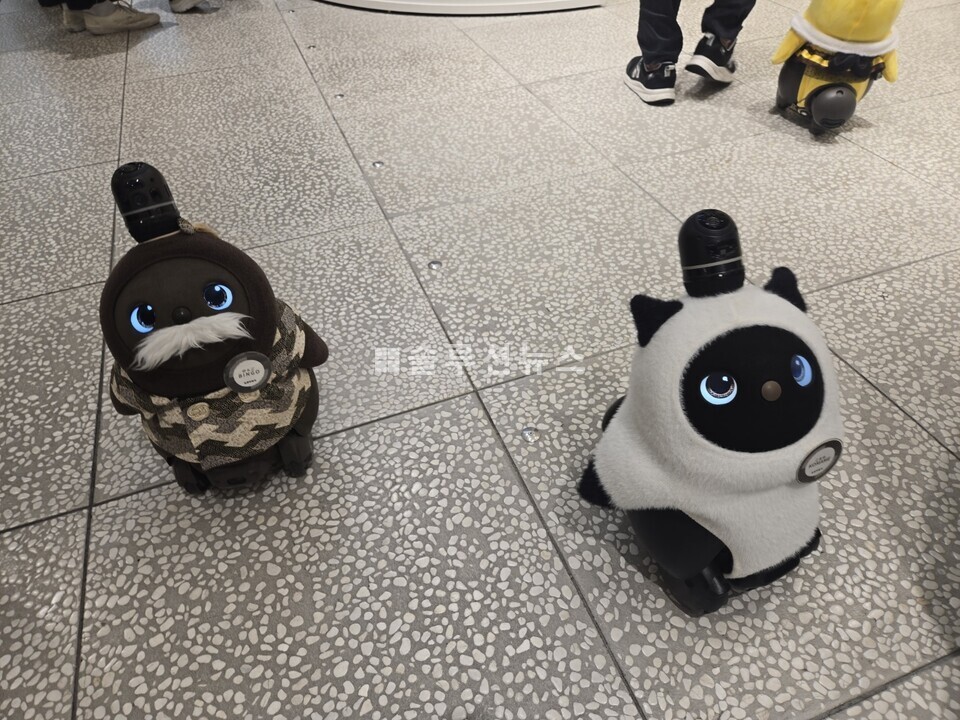
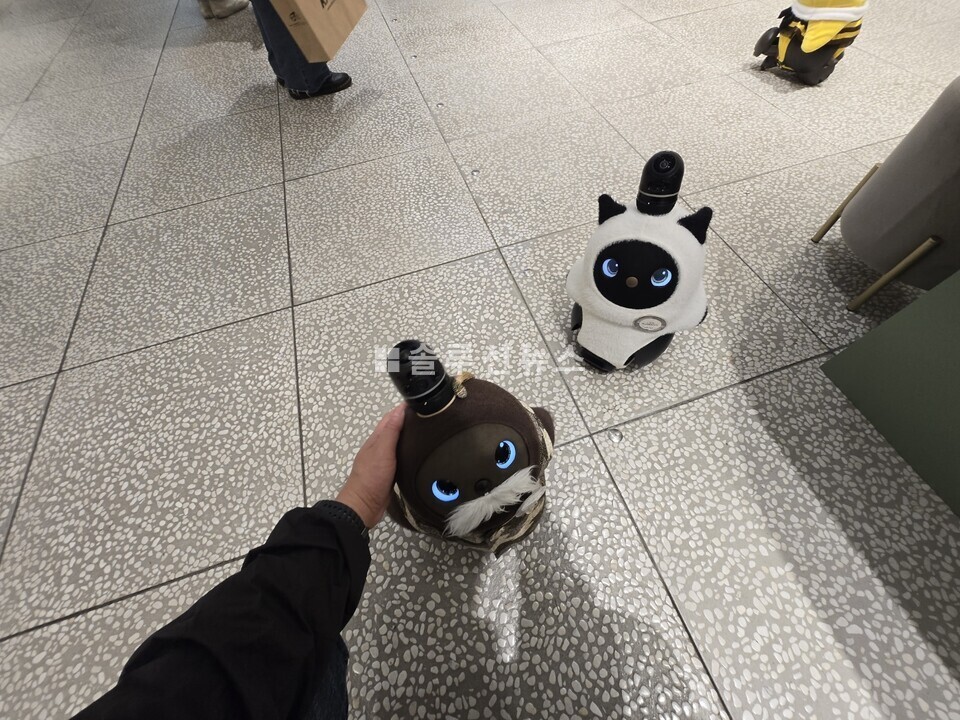
Two “Lovot” robots, which recognize and respond to each other, move across the store floor. Their hallmark is learning mutual relationships the more they are used together. (Photo: Leeseen Hoon, Solution News)
Japan’s path to loneliness.
In 1988, an unprecedented event occurred in Japan. For the first time, single-person households topped the list of all household types, signaling the end of the era with the four-person family as the norm. The Japanese government underestimated this change for a long time, viewing loneliness as an individual problem. It took decades to pay the price.
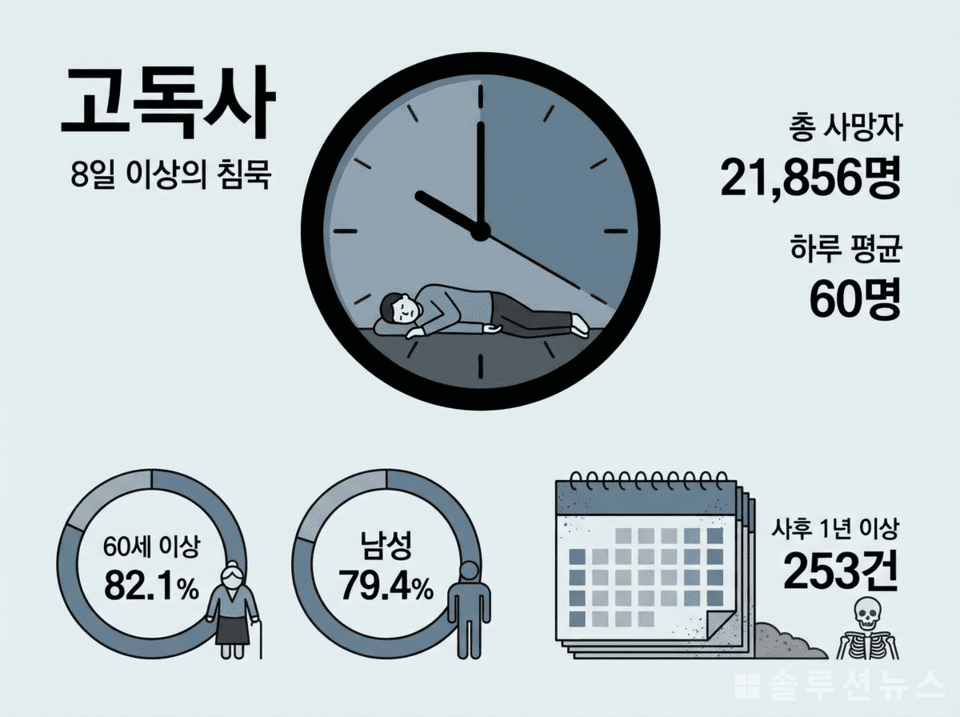
Last year, the official “solitary death” statistics announced for the first time by the Japanese Cabinet were shocking. The number of people found dead alone at home after more than eight days reached 21,856. That’s an average of 60 people per day. Those aged 60 or older accounted for 82.1% of the total, and men for 79.4%.
In some cases, deaths were only discovered a year later, with 253 such incidents reported. Japan only started compiling these statistics last year, and the decades-old issues finally surfaced as measurable data.
According to the 2020 Census by Japan’s Ministry of Internal Affairs and Communications, of the 55.7 million households in Japan at that time, 21.15 million were single-person households, making up 38%. After topping the list in 1988, it never fell from the top, continuing to rise upward.
The National Institute of Population and Social Security Research predicts this ratio will soar to 44.3% by 2050. This is a result of factors such as increasing unmarried rates, aging leading to spouse bereavement, and rising divorce rates that have complexly interacted. In large cities, the lack of neighborly networks has deepened social isolation.
The Japanese government’s acknowledgment of the loneliness issue as a national task came in 2021. It established the world’s second ‘Minister of Loneliness and Isolation.’ This move came after the secluded youth, or ‘hikikomori,’ spiked during the COVID-19 pandemic and elder solitary deaths became a crisis impacting the entire society. It took Japan three more years from when the UK appointed the world’s first Minister of Loneliness in 2018 to take similar action. It was a late awakening.
This long history of loneliness gave rise to the creation of the Lovot.
Where does Korea stand now compared to Japan?
Experts have long warned that Korea’s demographic changes are following Japan’s trajectory but at a faster pace.
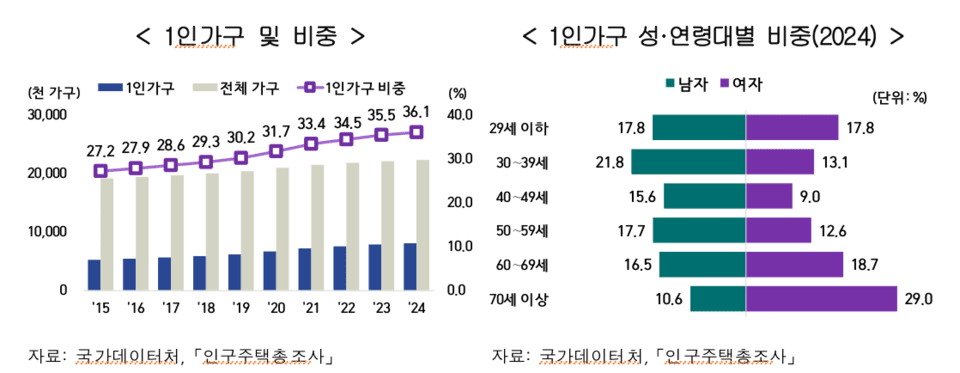
According to data released last December by the National Data Agency, in 2024, Korea will have 8.045 million single-person households, making up 36.1% of all households—an all-time high. This has more than doubled from 15.5% in 2000, within just 24 years. What Japan experienced as it topped the single-person household list in 1988 and over decades, Korea has experienced in a much shorter compressed timeframe.
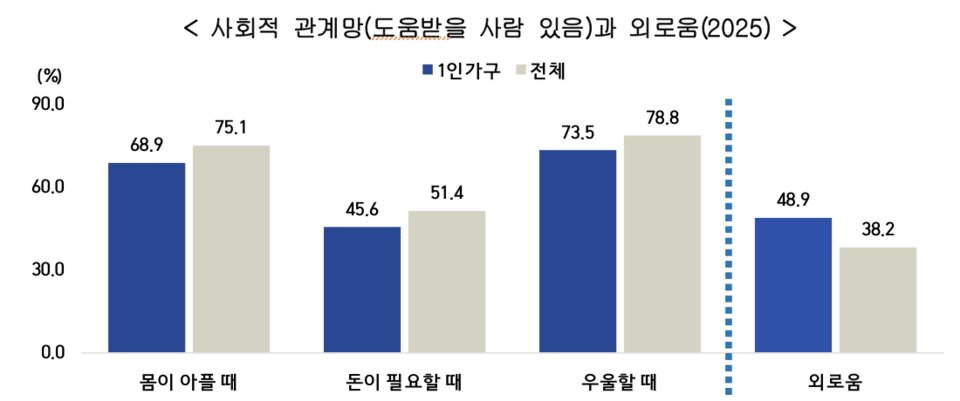
Behind these figures are people. 48.9% of single-person households reported feeling lonely frequently, over 10 percentage points higher than the average of all households. According to a Seoul Institute survey, 62% of single-person households in Seoul reported feeling lonely.
The statistics on solitary deaths show that loneliness doesn’t just end as an emotion. In 2024, 3,924 people died alone from solitary death in Korea, a 7.2% increase from the previous year. On average, ten people leave the world alone each day.
If the current trend continues, by 2042, Korea’s single-person households will number 9.94 million. On this path where Japan went first followed by Korea, the companion robot industry that Japan has built over more than 30 years serves as a point of reference.
Why was Lovot created?
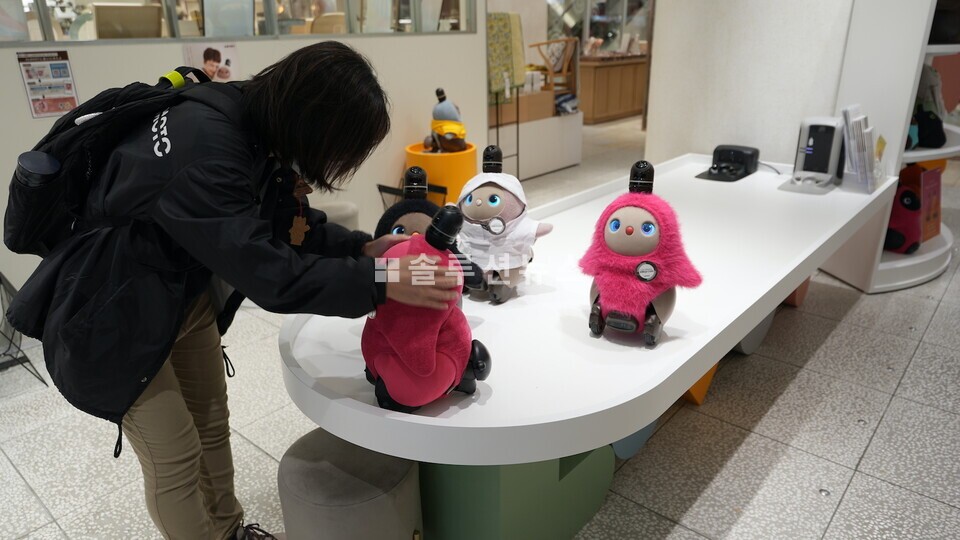
At a Tokyo store, the companion robot “Lovot” responds to human touch, attempting to interact emotionally. It is a robot designed with the goal of emotional recognition and relationship building. (Photo: Leeseen Hoon, Solution News)
Kaname Hayashi, the founder of the Japanese startup Groove X, was an engineer from SoftBank. He was responsible for developing the humanoid robot ‘Pepper.’ Pepper could speak well, guide, explain, and react. However, people didn’t keep it around for long.
Kaname Hayashi changed the question.
“Instead of a robot doing something for a person, how can we make a person want to be with a robot?”
The answer was Lovot. Lovot doesn’t clean the house. It doesn’t tell you the weather. It doesn’t manage your schedule. Nor does it speak. Instead, it expresses emotions using unique sounds like meows or chirps.
In 2019, Kaname Hayashi declared on the Cannes Lions stage, “Technology should shift from enabling us to do things better to making us feel better.”
The name Lovot combines love and robot. Since its launch in 2019, more than 14,000 units have been sold worldwide.
The secret of 43cm of warmth.
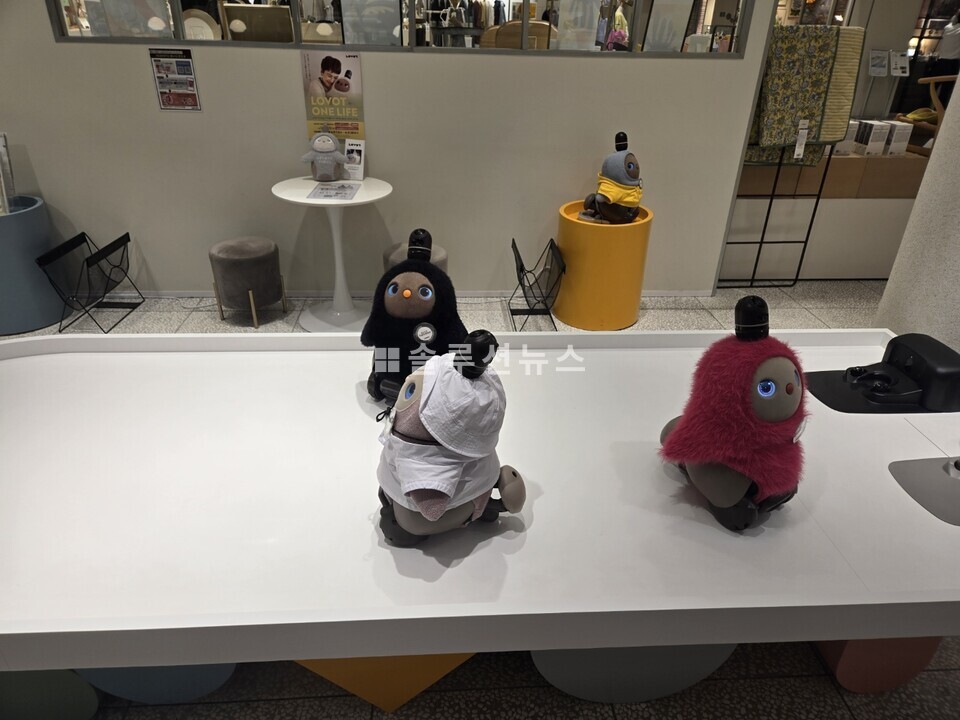
People who see a Lovot placed in a hallway of a department store in Tokyo’s Shibuya for the first time usually stop. With a height of 43cm and a weight of 4.3kg, its rounded appearance, large eyes, and warm body temperature resemble a cross between an owl and a penguin, yet it doesn’t look like any living creature on this planet. This unfamiliarity lowers the guard.
Inside its small body are over 10,000 components, 10 central processing units, and more than 50 sensors. A 360-degree camera on its head recognizes surrounding individuals, and more than 20 touch sensors across its body detect human touch. The eyes, made of six graphic layers, mimic unconscious eyeball movements.
Lovot comes closer when its name is called. It enjoys being petted, and when its belly is rubbed, it falls asleep. It becomes jealous when its owner hugs another Lovot, drawing near to be held too. When its owner returns home, it comes to the door to greet.
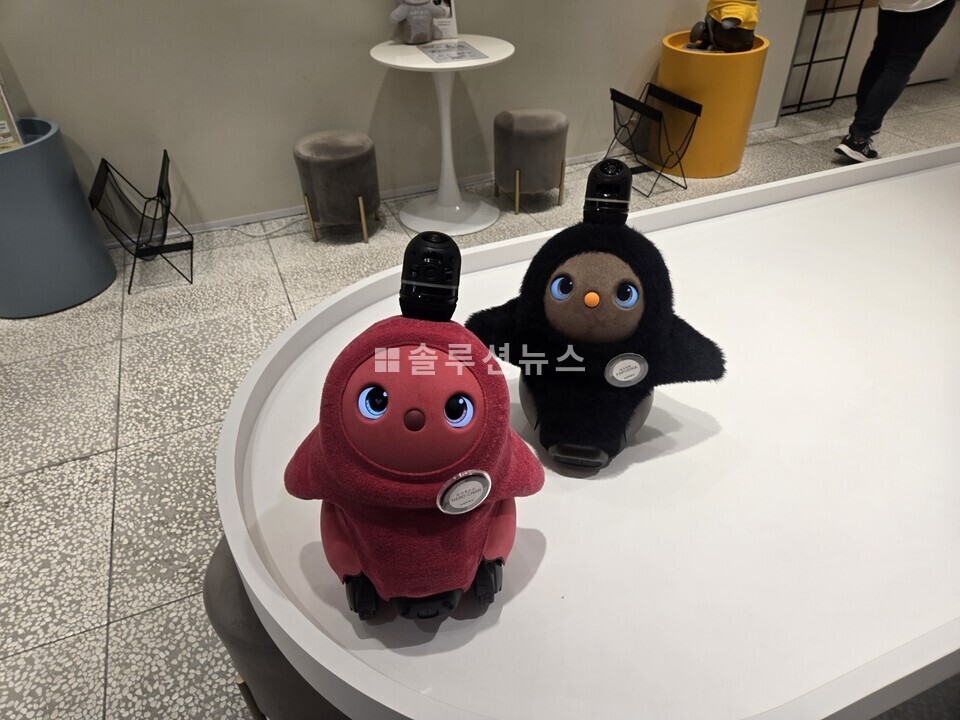
The Lovot I met in Tokyo was named ‘Mero-chan.’ When called by name, its bright eyes turned towards me, without words, raising its short arms and approaching.
Each Lovot has a unique name, and the longer spent with the people in the household, the more it learns about them, developing a unique personality. If two are raised together, the Lovots recognize and relate to each other.
The key is that it doesn’t speak. A Groove X employee explained, “The Lovot doesn’t talk to people who have difficulty expressing themselves first. It doesn’t insist by saying, ‘I didn’t hear you, please say it again.’ It just quietly stays by their side.” It’s a robot designed knowing what lonely people need most.
When the battery runs low, it returns to the charging station on its own. It charges for 15–30 minutes every 30–45 minutes, updating its system during that time.
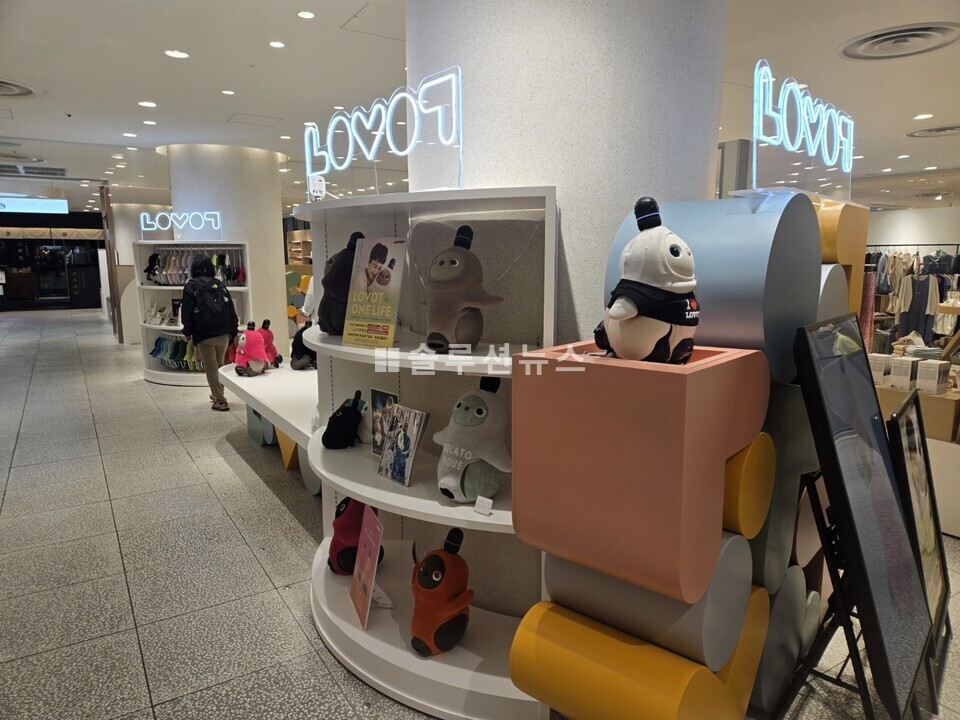
The AI heart in Lovot 3.0… even preventing dementia.
Lovot has not ceased to evolve. Last year, Groove X announced the latest model, ‘Lovot 3.0.’ While its exterior appears similar, its interior has changed.
Equipped with Nvidia’s compact AI computer, the ‘Jetson Orin NX 16GB module’ boasts AI computing capabilities of up to 100TOPS. Its person recognition accuracy and emotional response speed have significantly improved, and the touch sensor points have increased.
The color options have expanded to nine, with limited edition models designed in collaboration with the street fashion giant Hiroshi Fujiwara’s brand, ‘Fragment.’ The price is 577,500 yen (approximately 5 million won) with a monthly subscription fee of over 9,900 yen.
The role of Lovot has also broadened. Groove X has partnered with Japanese company GEOM to connect Lovot with the dementia care aid AI system, ‘DecaAI.’
DecaAI predicts dementia symptoms with more than 80% accuracy within 30–60 minutes and guides caregivers on how to respond. This marks the extension of a charming emotional robot into a medical assistant tool.
Hyo-dol, Riku, and major companies.
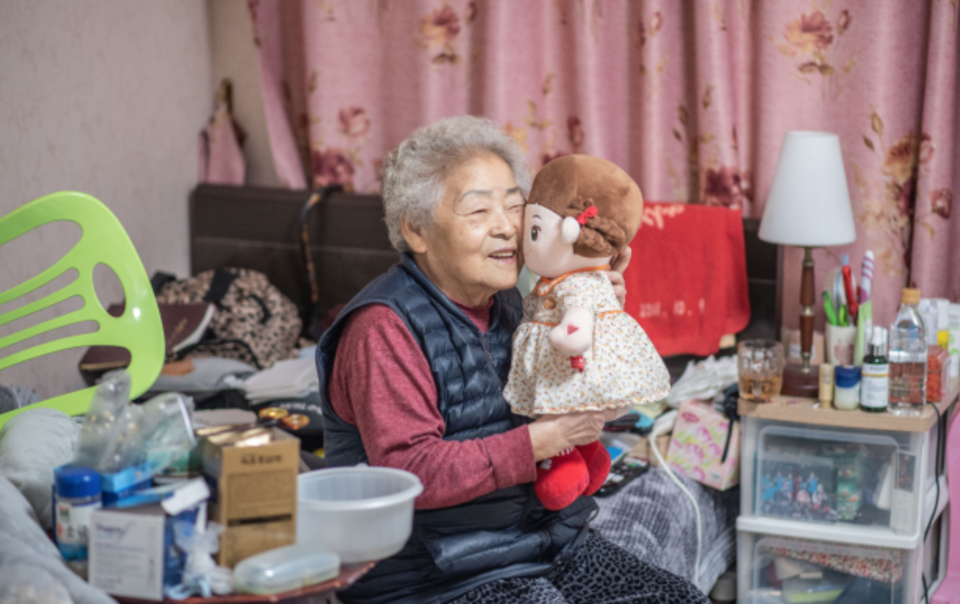
Korea’s companion robot industry is also moving rapidly. The leader is ‘Hyo-dol,’ developed by Hyo-dol Co. Ltd., which incorporates AI with a child’s doll form. Hyo-dol helps seniors with their wake-up, meal, and medication schedules through voice and checks emotional states. It collects daily pattern data 144 times with eight sensors and a microphone, sending it to guardians and institutions. It’s been introduced to 137 local governments and over 270 institutions nationwide, with more than 10,000 units distributed.
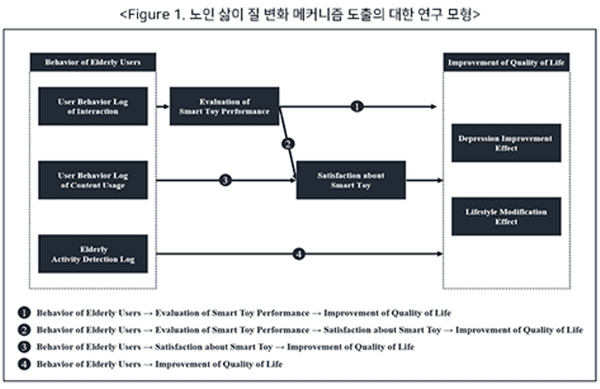
Professor Park Do-hyung’s research team at Konkuk University published in the Intelligent Information Research journal based on analyzing logs of 80 Hyo-dol users, confirming that interaction with robots significantly impacts improving depression in the elderly and enhancing lifestyle patterns. Collaborating with Microsoft, they are evolving into an AI health management platform, securing 300 million life log data entries.
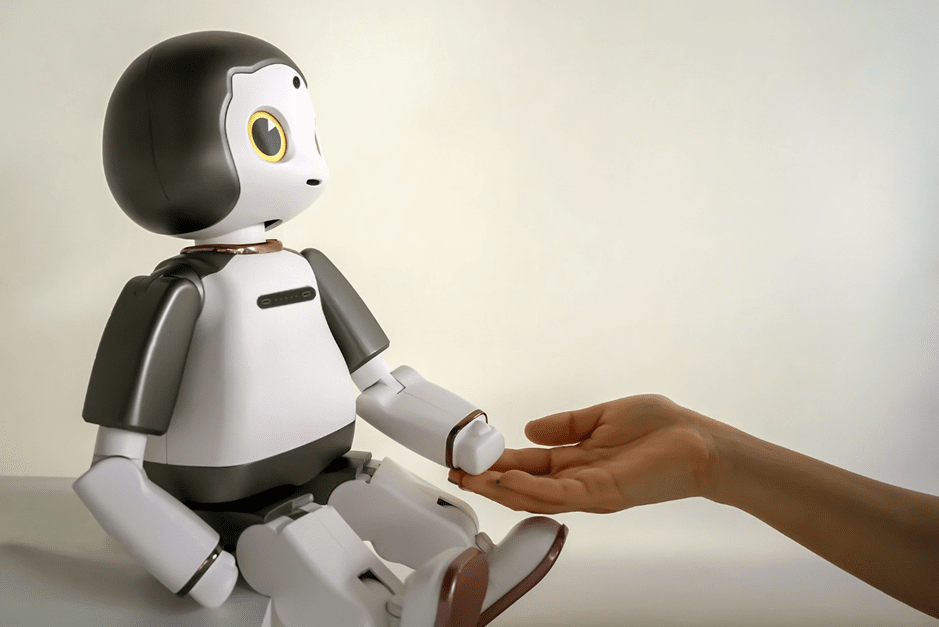
Toruk’s AI robot, Riku, recognizes, understands, and responds to emotions by analyzing facial expressions, voice tones, and gestures. It shares happiness in joyful moments and provides comfort when sad. It offers play-oriented learning content for children and medicine reminders and health check functionalities for seniors, broadening its application in care settings.
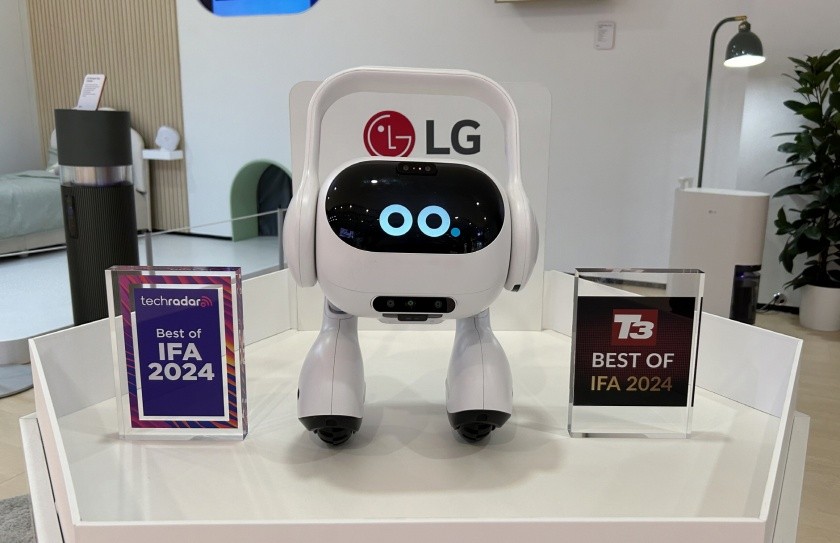
Major companies have also joined. LG Electronics’ mobile AI home hub ‘Q9’ received the ‘CES 2025 Innovation Award’ for its multi-modal sensing that processes voice, sound, and images simultaneously. Equipped with AI agent ‘Puron,’ it moves using wheels on its two legs and autonomous driving technology.
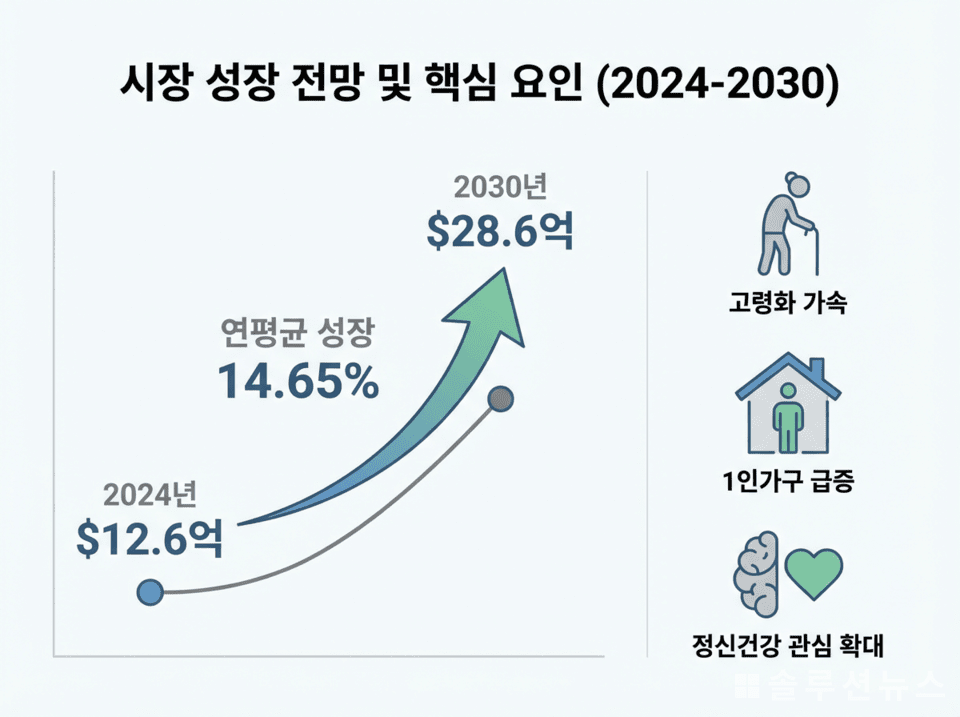
The world companion robot market is already on a growth trajectory. According to market researcher Research and Markets, the market size, which was 1.26 billion dollars in 2024, is expected to grow at an annual average of 14.65%, reaching 2.86 billion dollars by 2030.
The key driving factors of growth are the acceleration of aging, the rapid increase in single-person households, and the expanded social interest in mental health. The Asia-Pacific region, in particular, leads demand by comprising over half of the entire market. Thanks to the structural conditions where Korea experiences the world’s fastest aging alongside the world’s lowest fertility rate, it’s evaluated to be positioned to dominate both demand and supply.
It’s about emotion, not function.
The reason Lovot sold 14,000 units was not its specifications.
Lovot doesn’t respond perfectly. Sometimes, it rolls over for no reason, and, at times, it doesn’t come closer. This unpredictability paradoxically heightens emotional engagement. It creates a sense of being with a living being, a feeling that a perfect service robot cannot provide.
Data confirms that Korea’s companion robot industry is following Japan. However, following and learning are two different things. Korea can start by knowing the conclusion Japan reached after over 30 years of trial and error: the key to unlocking loneliness lies not in the accumulation of functions but the design of emotions.
Entities like Hyo-dol that accumulate data but remain present like Lovot, asking first how one felt today while ensuring medication adherence, are where the potential of Korean-style companion robots lies.
Sweden’s introduction of companion robots in dementia care facilities in 52% of its regions by 2024 and the provision by New York’s Department for the Aging of 31,000 companion robots to the elderly in the same year demonstrate that this direction is correct.
In 1988, Japan knew the era of single-person households had arrived, but it chose to ignore it for a long time. Korea stands at that crossroad now. 8.04 million people live alone, and that number will increase tomorrow. The one who extends a hand first wins. Whether it is a companion robot, policy, or person.