
Nvidia shares plunged 4.27%, wiping $190 billion off its market capitalization, as shareholders seek damages.
Key points
▶ On Nov. 9 local time, Nvidia shareholder Mark Kistenmacher filed a class-action lawsuit against Nvidia and CEO Jensen Huang in federal court in San Jose, California.
▶ The plaintiff alleges Nvidia misled investors by describing its dealings with Megaspeed as a “normal business relationship” while concealing the relationship between Huang and Alice Huang.
▶ U.S. intelligence officials have identified Alice Huang as a collaborator with Chinese intelligence. The Rosen Law Firm is representing the plaintiff.
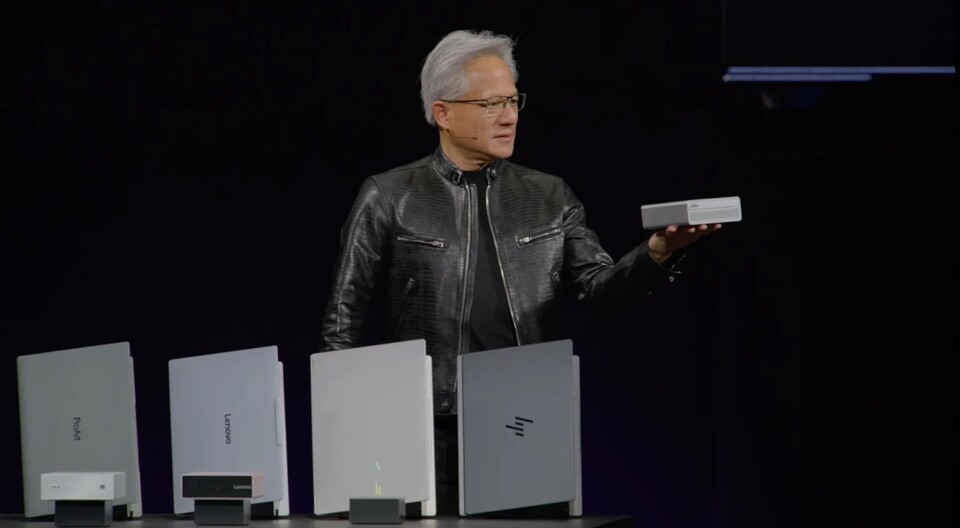
Allegations that Nvidia CEO Jensen Huang was connected to Chinese intelligence have escalated into a shareholder class action. The lawsuit claims Nvidia misled investors by concealing Huang’s relationship with a woman suspected of spying for China.
According to Reuters, Nvidia shareholder Mark Kistenmacher filed a securities class action seeking damages against Nvidia and Huang on Nov. 9 local time in federal court in San Jose, California. The lawsuit is being handled by the Rosen Law Firm, which specializes in securities class actions.
The central issue is whether investors were properly informed about the relationship between Huang and Alice Huang, a former executive at Singapore-based semiconductor and cloud company Megaspeed.
The plaintiff alleges Nvidia described its dealings with Megaspeed as a normal business relationship but did not disclose a personal relationship between Huang and Alice Huang. The New York Times has reported that U.S. intelligence officials believe Alice Huang collaborated with Chinese intelligence.
The complaint also raises concerns that the relationship could have national security implications. The plaintiff alleges Nvidia violated U.S. securities laws by withholding material information that could affect the company’s reputation and business prospects.
The proposed class covers investors who acquired Nvidia shares between Oct. 9, 2025, and Nov. 8, 2026. The complaint does not specify an amount of damages.
Shares plunge 4.27%; market value falls by $190 billion
On Nov. 9, the day the lawsuit was filed, Nvidia shares closed at $178.67, down 4.27% from the previous trading day. The stock fell nearly 9% at one point during the session. The company’s market capitalization dropped by about $190 billion in a single day, equivalent to roughly 260 trillion won.
According to Reuters, the complaint was filed five minutes after regular trading on U.S. stock markets ended. Allegations surrounding Huang had spread through a series of reports by international media. On Oct. 29, The New York Times reported that U.S. intelligence officials considered Alice Huang a collaborator with Chinese intelligence. Huang has maintained that Nvidia’s dealings with Megaspeed were a normal business relationship.
On Nov. 7, the Financial Times reported that a U.S. government memo said Huang and Alice Huang had been romantically involved. On Nov. 8, Nvidia’s board announced an independent investigation into allegations that Huang had been targeted by a foreign intelligence agency for intelligence-gathering activities. The company said it would conduct the investigation with the help of outside legal experts. It also said there was currently no basis to conclude that national security or company secrets had been compromised. That same day, Huang acknowledged in a message to employees that he had been unfaithful to his wife, but did not elaborate on the relationship or identify the other person.
Trump says FBI is investigating; Congress also watching allegations
The Federal Bureau of Investigation is also examining the allegations. U.S. President Donald Trump said on Nov. 9 at the White House that he had spoken directly with Huang. According to Trump, Huang said he had no idea Alice Huang was a spy.
Trump said he believed Huang’s account and confirmed that the FBI was investigating the matter.
The Chinese government has denied the espionage allegations. In the U.S. Congress, scrutiny of the national security implications is also continuing. Leaders of the House Select Committee on China, the Foreign Affairs Committee and the Intelligence Committee have asked Huang to attend a closed-door briefing on Nov. 18.
Congressional interest extends beyond Huang’s personal affairs to the possibility that advanced U.S. semiconductor technology and export-control information may have been exposed to a foreign intelligence agency. Nvidia has not immediately commented on the class action.
Key issue is whether investors were misled; independent investigation results in focus
The central question in the lawsuit is not the relationship between Huang and Alice Huang itself, but whether Nvidia withheld material information that could have influenced investment decisions.
The plaintiff argues that Nvidia’s statements describing its dealings with Megaspeed as normal gave investors a misleading impression. The claim is that the relationship and related national security risks became public, causing Nvidia’s stock to fall and investors to suffer losses.
The lawsuit alleges violations of Sections 10(b) and 20(a) of the U.S. Securities Exchange Act and Securities and Exchange Commission Rule 10b-5. In securities class actions, plaintiffs must establish that the statements or omissions at issue constituted legally material misrepresentations or misleading conduct. Causation between the alleged conduct and investment losses is also a key issue.
The filing of the lawsuit does not establish that Nvidia or Huang violated securities laws. The espionage allegations involving Alice Huang also remain matters to be verified through investigations and inquiries.