
The anti-reflective display is expected to be applied to the internal screen of the Galaxy Z Fold8 Ultra for the first time on a foldable phone, according to a report by PhoneArena on the 13th local time, citing IT tipster Ice Universe.
Anti-reflective technology was first introduced in the 2024 Galaxy S24 Ultra and later expanded to the S25 series. It reduces light reflection and glare, improving visibility outdoors and in bright indoor settings.
The maximum brightness is expected to reach 3,600 nits, 1,000 nits higher than the previous model. Combined with improved resolution and a larger 5,000mAh battery, the company is moving to address the weaknesses of foldable displays all at once.
However, because the information is based entirely on leaks, it remains unconfirmed whether the external screen will also receive the feature. Final specifications and pricing will be confirmed at the Galaxy Unpacked event on the 22nd.
Foldable phone displays are being refined at the same time in three areas: reflection, brightness, and resolution. It is the last area where they have lagged behind premium bar-type models.
IT publication PhoneArena reported on the 13th local time, citing IT tipster Ice Universe, that Samsung Electronics is expected to apply an anti-reflective display to the Galaxy Z Fold8 Ultra, which it will unveil later this month, marking the first such use on a foldable phone. Ice Universe claimed on X, formerly Twitter, that a low-reflection film will be applied to the internal display. Whether it will also be applied to the outer display has not yet been confirmed.
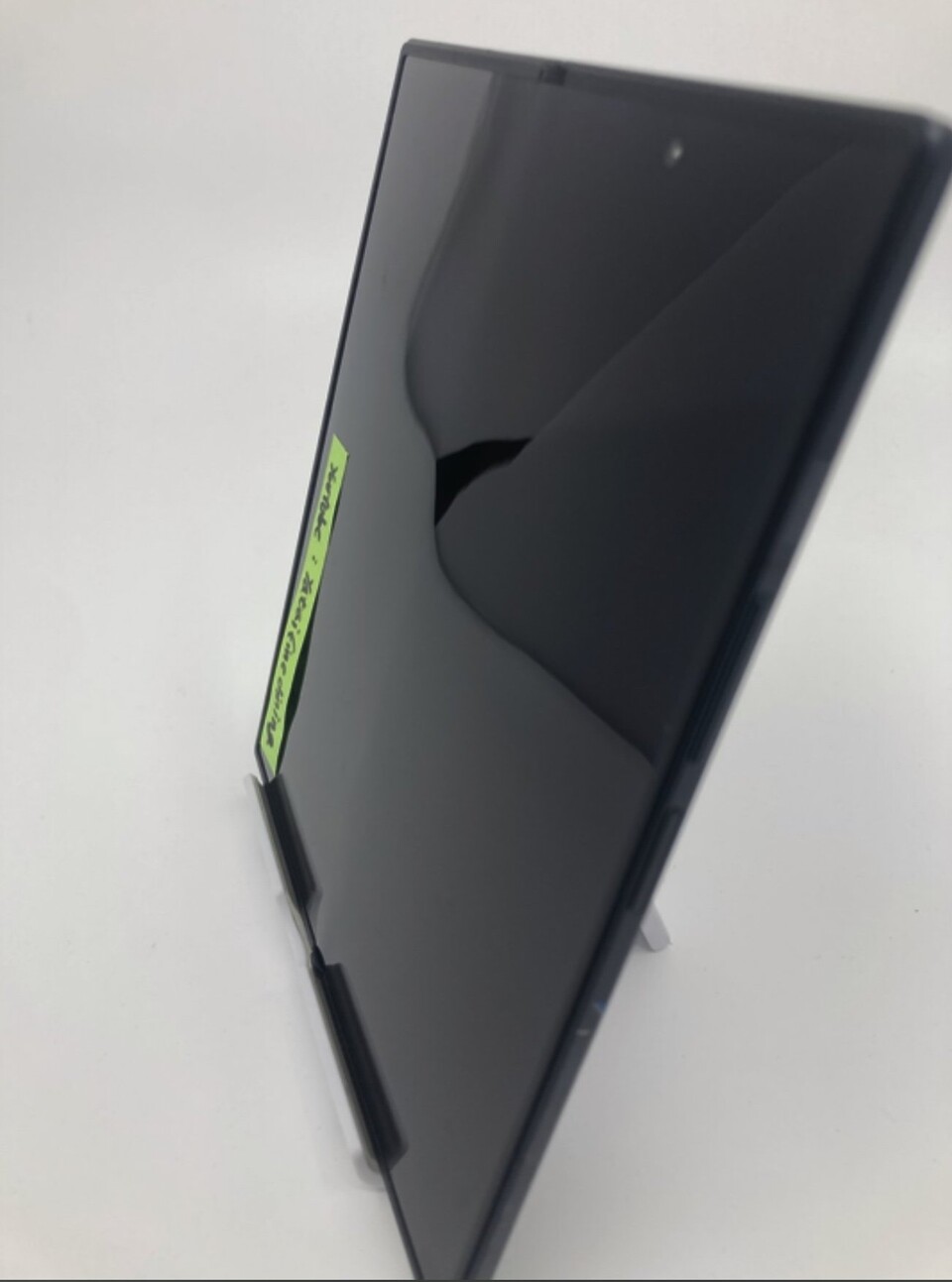
Samsung’s anti-reflective display was a differentiating feature of its bar-type flagship phones. The company first introduced an anti-reflective coated display in the 2024 Galaxy S24 Ultra and later expanded it to the Galaxy S25 series. It is a technology that reduces light reflection and glare, making the screen easier to see not only outdoors but also in bright indoor environments.
There was a structural reason the feature was added later to foldables. Bar-type smartphones use a coating on a solid tempered-glass surface, while foldable screens are made of multiple layers of film on top of ultra-thin glass because they must bend. Since the existing coating method is difficult to use as-is, Samsung is believed to have approached the issue with a film-type anti-reflective technology.
The large internal display is the space where content consumption on foldable phones is concentrated, including video viewing and document work. If reflection reduction is applied, analysts say it could increase the usability of the large screen in bright environments such as near windows or outdoors.
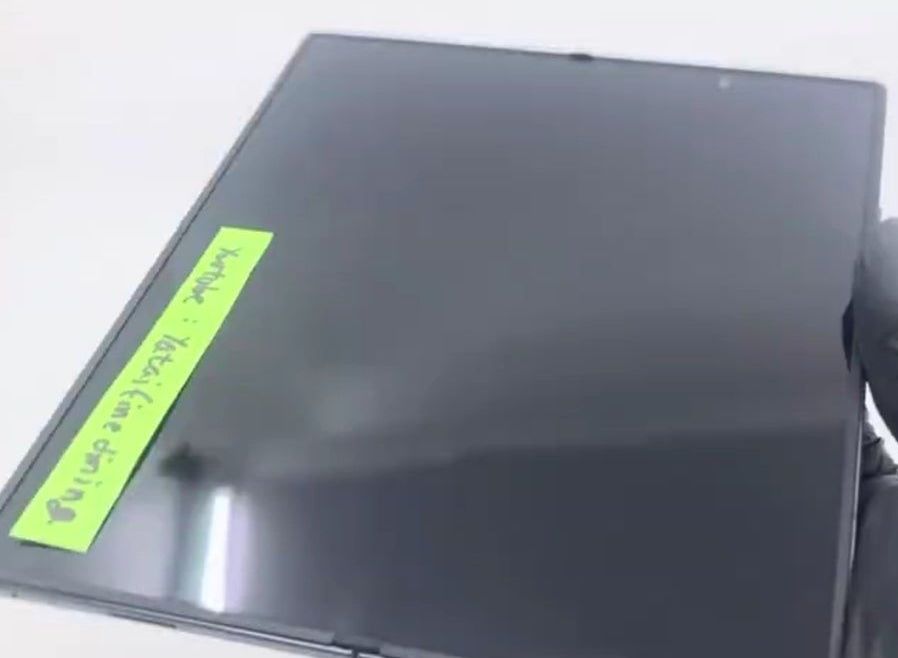
Brightness is also expected to rise significantly. Nits is the unit used to measure screen brightness, and the higher the number, the easier the screen is to see under strong sunlight.
The Galaxy Z Fold8 Ultra’s display is expected to peak at 3,600 nits, 1,000 nits higher than the previous Galaxy Z Fold7’s 2,600 nits. This would be the brightest of any Samsung foldable phone to date, and some expect it could even surpass Samsung’s top bar-type models. Brightness has long been one of the key challenges for foldable panel structures, which consist of multiple layered components.
Improvements in resolution have also been hinted. Ice Universe previously claimed that the screen resolution of this model had been significantly improved. The Fold7’s internal display had 368 pixels per inch, lagging behind the Galaxy S Ultra series, which is around 500ppi. Other rumored upgrades include expanding the battery from 4,400mAh to 5,000mAh and reducing the size of the front camera to improve the crease.
Broader hardware upgrades are also being discussed. Based on leaked information, the model is expected to feature Qualcomm’s Snapdragon 8 Elite 5th Gen processor and 45W wired charging. Some observers also say the device will keep the same 215g weight as the previous model while becoming slightly thinner at 4.1mm.
Given earlier reports that the ultra-wide camera will be upgraded from 12 megapixels to 50 megapixels, the direction of this generation appears clear. The analysis is that Samsung is narrowing the gap with the Galaxy S Ultra line in both camera and display areas, building specifications worthy of the new “Ultra” name.
Such specification upgrades come with price pressure. Some forecasts suggest the Galaxy Z Fold8 Ultra could exceed 3 million won, setting a record as the most expensive foldable phone ever. Whether improvements in anti-reflection, brightness, and resolution translate into real-world value may become the deciding factor for buyers.
Samsung Electronics will hold Galaxy Unpacked at 10 p.m. on the 22nd in London, United Kingdom, and unveil three foldable models: the Fold8 Ultra, the wide-format Fold8, and the Flip8.
The choice between the Ultra and the wide-format model is also expected to diverge. The wide-format model is expected to focus on crease improvement by using ultra-thin glass that is 60 micrometers thicker than the Ultra model. The Ultra will represent the highest-tier specifications, while the wide-format model will emphasize a new screen ratio and practicality.
However, all of the information released so far is based on leaks and industry reports. Some details remain unconfirmed, such as whether the outer display will also receive anti-reflective treatment.
As the final specifications and prices will be confirmed at the Galaxy Unpacked event on the 22nd, analysts say the extent to which the weaknesses of foldable displays have been addressed will be determined by the device itself on that day.