
One-minute news
▶ A study published on October 7 (local time) in the journal Current Biology by the British Antarctic Survey (BAS) found that the number of chinstrap penguin nests on Zavodovski Island near Antarctica fell by 63% from 2011 to 2025. The breeding population declined from about 1.09 million to 402,000 birds.
▶ Researchers analyzed drone and aerial photographs, satellite data, and penguin tracking data. They believe a key cause of the decline was that rising sea temperatures pushed Antarctic krill, the penguins’ main food source, farther south into colder waters.
▶ The number of macaroni penguins on the same island increased by 28% between 2011 and 2016, then remained stable. Researchers said their ability to eat fish and other crustaceans as well as krill may have helped them adapt to changes in food availability.
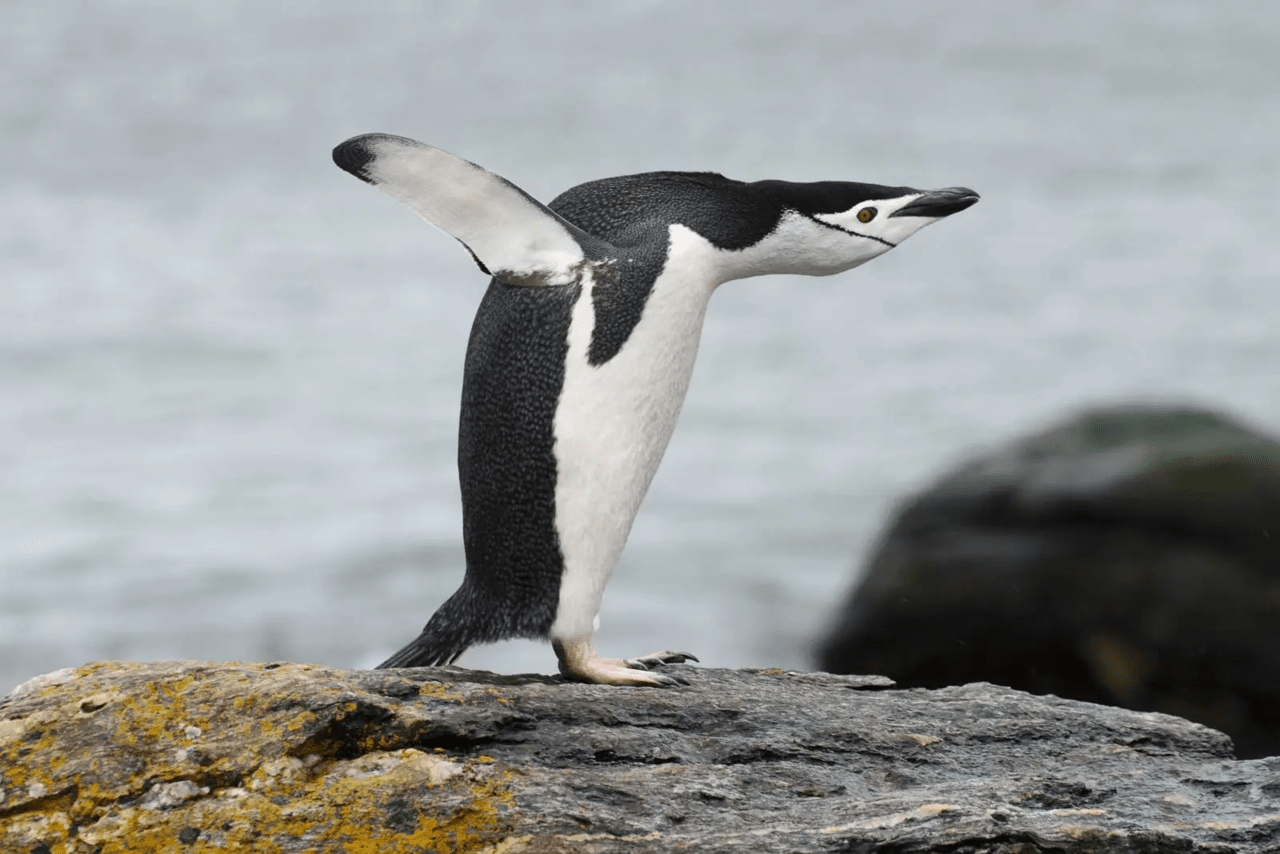
Chinstrap penguins have declined by about two-thirds in 14 years on an island near Antarctica once known as the world’s largest penguin breeding site. Researchers believe rising sea temperatures have driven their main food source, krill, farther south, while the penguins have been unable to follow.
The British Antarctic Survey (BAS) said in a study published on October 7 (local time) in the international journal Current Biology that the number of chinstrap penguin nests on Zavodovski Island in the South Atlantic’s South Sandwich Islands fell by 63% between 2011 and 2025.
The breeding population dropped from about 1.09 million to 402,000 birds—a loss of roughly 690,000 in 14 years. Researchers said this was the fastest decline recorded at any chinstrap penguin breeding site surveyed in Antarctica.
Counting nests after a 15-day voyage
Zavodovski Island is a British volcanic island in the South Sandwich Islands, north of the Antarctic continent. In a 2011 survey, BAS identified it as the world’s largest penguin breeding site, with 600,000 chinstrap penguins and 90,000 macaroni penguins nesting on its rocky terrain. BAS described it as “one of the most extreme places in the world to conduct fieldwork.”
Researchers spent 15 days at sea to reach the island. They counted nests using drones, aerial photography, and satellite images, and fitted tracking devices to 20 penguins. Their results showed a 63% decline in chinstrap penguin nests between 2011 and 2025.
Krill move south, while sea ice blocks the penguins
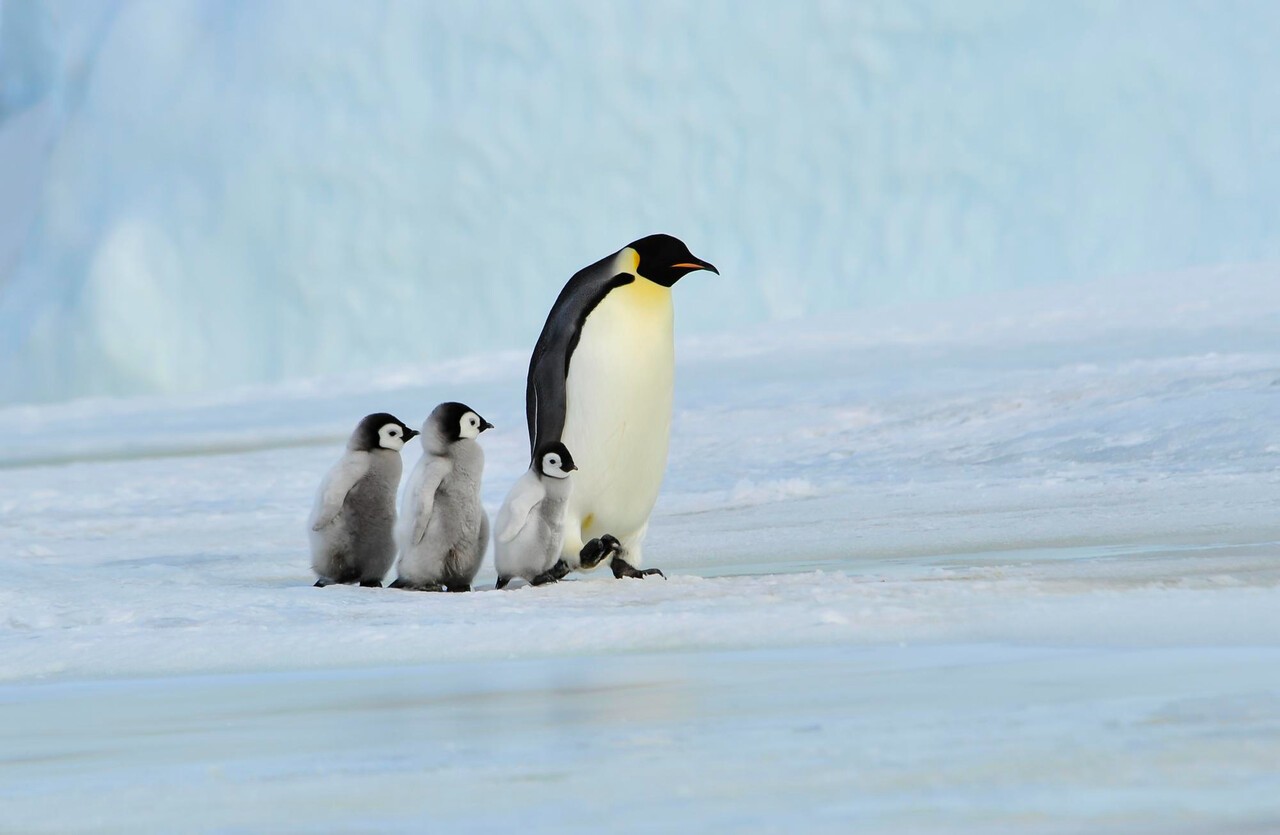
Researchers focused on changes in food availability as a possible cause. Chinstrap penguins feed mainly on Antarctic krill, small shrimp-like crustaceans that are a major food source for penguins, whales, and other Antarctic marine animals.
Tracking data showed that chinstrap penguins on Zavodovski Island mostly foraged in the cold waters northwest of the island. But researchers believe that as sea temperatures rose, krill shifted farther south toward the Weddell Sea.
The problem is that penguins have difficulty following their food. Much of the southern waters is covered by sea ice, and there are few islands where they can establish nesting sites during the breeding season.
Norman Ratcliffe, a BAS professor who led the study, explained that chinstrap penguins depend heavily on a particular food source and have a narrow preferred temperature range, making it difficult for them to follow krill as it moves south.
The researchers also considered other possible causes. Mount Curry on Zavodovski Island erupted in 2016, but the decline in chinstrap penguins had begun earlier and continued at a similar rate afterward. They concluded that the eruption was unlikely to have driven the population decline.
They also examined competition between species for nesting sites and krill fishing in surrounding waters. The island has ample breeding space, and krill fishing is prohibited in the surrounding marine protected area. However, the effect on food supplies of fishing in other waters connected by currents remains uncertain.
After examining several possibilities, the researchers concluded that changes in the marine food web driven by climate change were the most likely explanation for the decline in chinstrap penguins.
Macaroni penguins on the same island increase by 28%
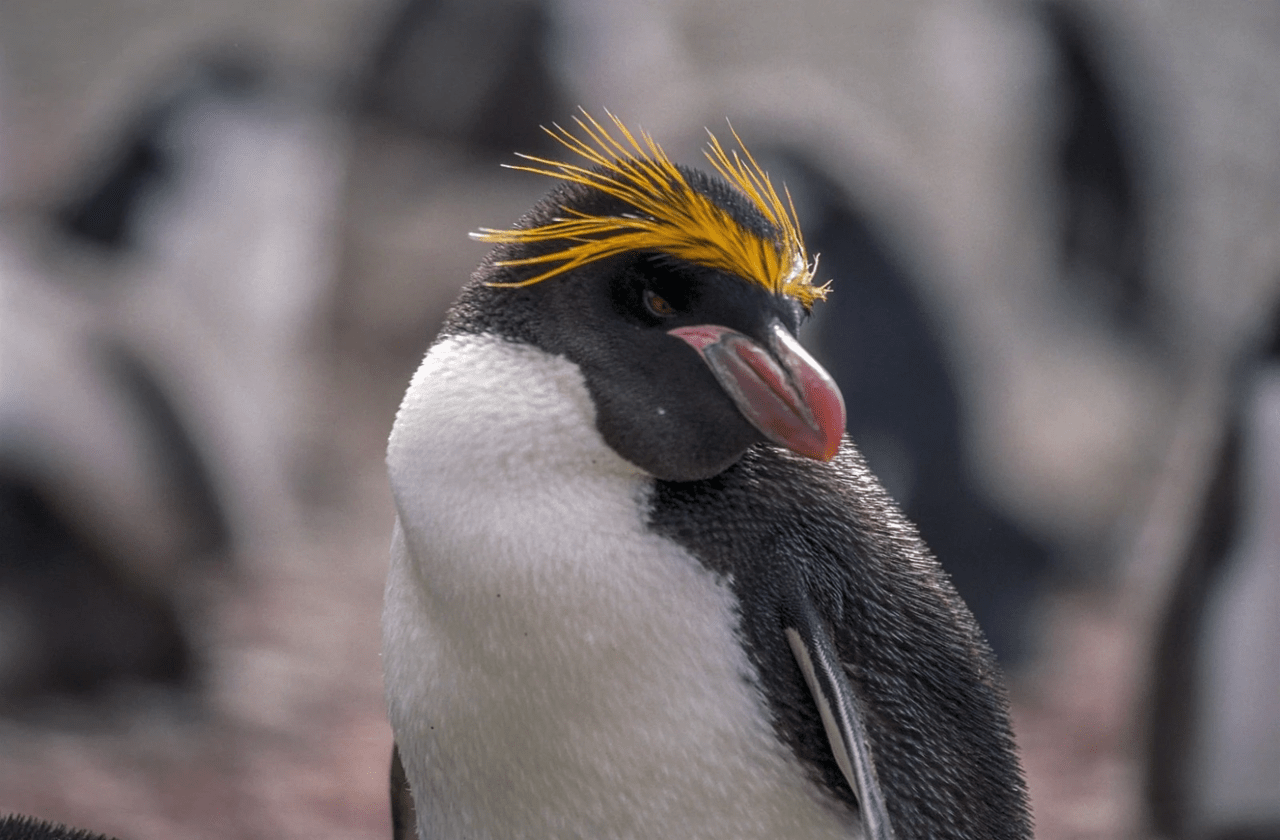
While chinstrap penguins declined sharply, macaroni penguins living on the same island increased in number.
According to the researchers, the macaroni penguin population grew by 28% between 2011 and 2016 and has remained stable since.
The two species have different feeding habits. Chinstrap penguins rely heavily on krill, while macaroni penguins also eat fish and other crustaceans. This means they can switch to other foods when krill becomes scarce.
Tracking data also revealed a difference in where the two species forage. Chinstrap penguins mainly used the cold waters northwest of the island, while macaroni penguins searched for food in the relatively warmer waters to the northeast.
Researchers believe macaroni penguins may have coped with food shortages by eating fish and other crustaceans in those waters.
Professor Ratcliffe said the study documented the largest change in the makeup of a penguin colony observed at a single Antarctic breeding site. Chinstrap penguins, adapted to cold conditions, declined, while sub-Antarctic macaroni penguins, with a broader range of food choices, increased.
Loses status as the world’s largest breeding site
With the decline, Zavodovski Island has lost its status as the world’s largest penguin breeding site. Researchers said Cape Adare in the Ross Sea, on the opposite side of the Antarctic continent, has become the largest.
The changes may not be limited to Zavodovski Island. The South Sandwich Islands are home to about 30% of the world’s chinstrap penguins. Researchers warned that if the decline in this region coincides with population decreases observed elsewhere in Antarctica, the conservation status of the species as a whole may need to be reassessed.
Chinstrap penguins are currently classified as “Least Concern” on the International Union for Conservation of Nature (IUCN) Red List. If the decline continues, they could be reclassified as “Endangered.”
Peter Fretwell, a researcher who studies remote sensing of penguins at BAS, noted that even the South Sandwich Islands—far from human settlements—are not escaping the effects of climate change.
The study shows how rising sea temperatures can shift the distribution of food and affect the survival of two penguin species on the same island in different ways.