
What would collapse if Jensen Huang fell?
“Geniuses must be protected”: From a call two days before his resignation to persuading the board
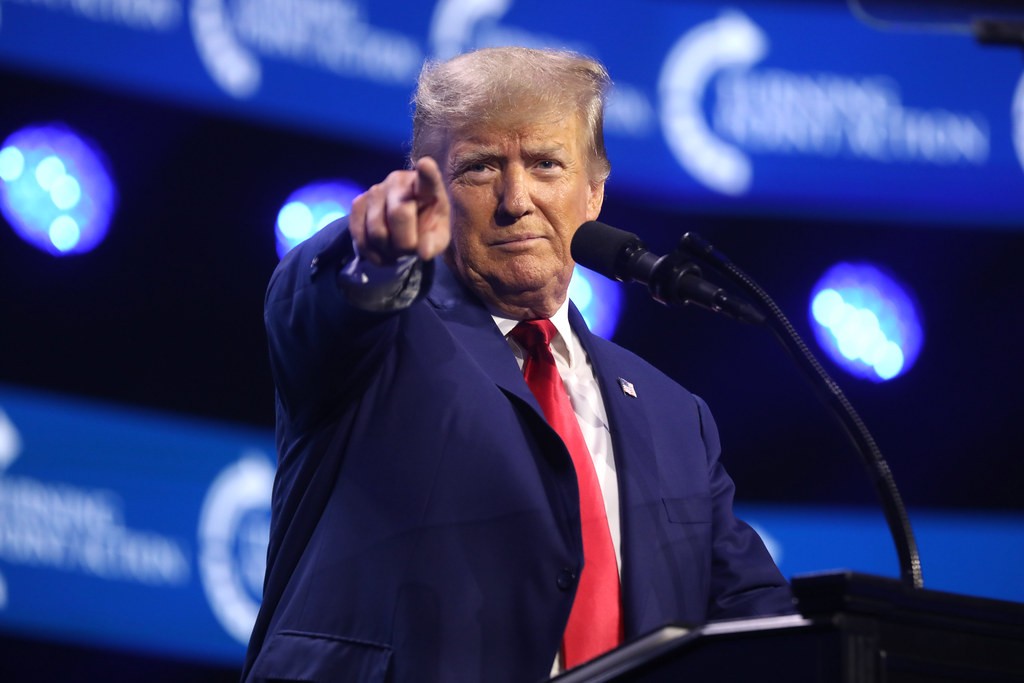
U.S. President Donald Trump actively supported the return of Nvidia CEO Jensen Huang, emphasizing the importance of American competitiveness in AI and securing key technology talent. (Photo: Flickr)
Even before Nvidia CEO Jensen Huang stepped down, U.S. President Donald Trump urged him not to resign. After Huang left, Trump publicly called for him to return. He also personally tried to persuade the board. It is unusual for a sitting U.S. president to go to such lengths to defend a business leader caught up in allegations of an affair and links to Chinese intelligence.
Why did Trump want Huang back so badly? We look at the president’s remarks over the past two weeks and U.S. media reports.
◆ What Trump said over two weeks
A chronological look at Trump’s remarks shows that his calls for Huang to return grew increasingly emphatic.
During the week the allegations first emerged, Trump said he had spoken with Huang and that “he’ll be fine.” He also said he believed Huang’s explanation that he did not know the woman was a spy. According to The New York Times, Trump called Huang directly again on the 10th and urged him to keep fighting to stay in his job. The White House did not comment on the call at the time.
Huang stepped down on the 12th. That day, Trump called him a “legend” on social media. On the 16th, he said he would “have no problem” with Huang returning. In a Fox News interview broadcast on the 18th, Trump described the resignation as a “tragedy.” “There are people you can’t replace. He was 10 years ahead,” he added.
On the 20th, Trump said he hoped Huang would “apologize profusely and come back.” Late on the 22nd, he wrote on Truth Social that Huang’s return would be “the best thing for the company and for the country.” The next morning, Nvidia’s board unanimously approved his return.
The board chair had publicly ruled out the possibility of Huang returning on the 17th. Even then, Trump did not give up on him.
◆ The political reasons Trump had to protect Huang
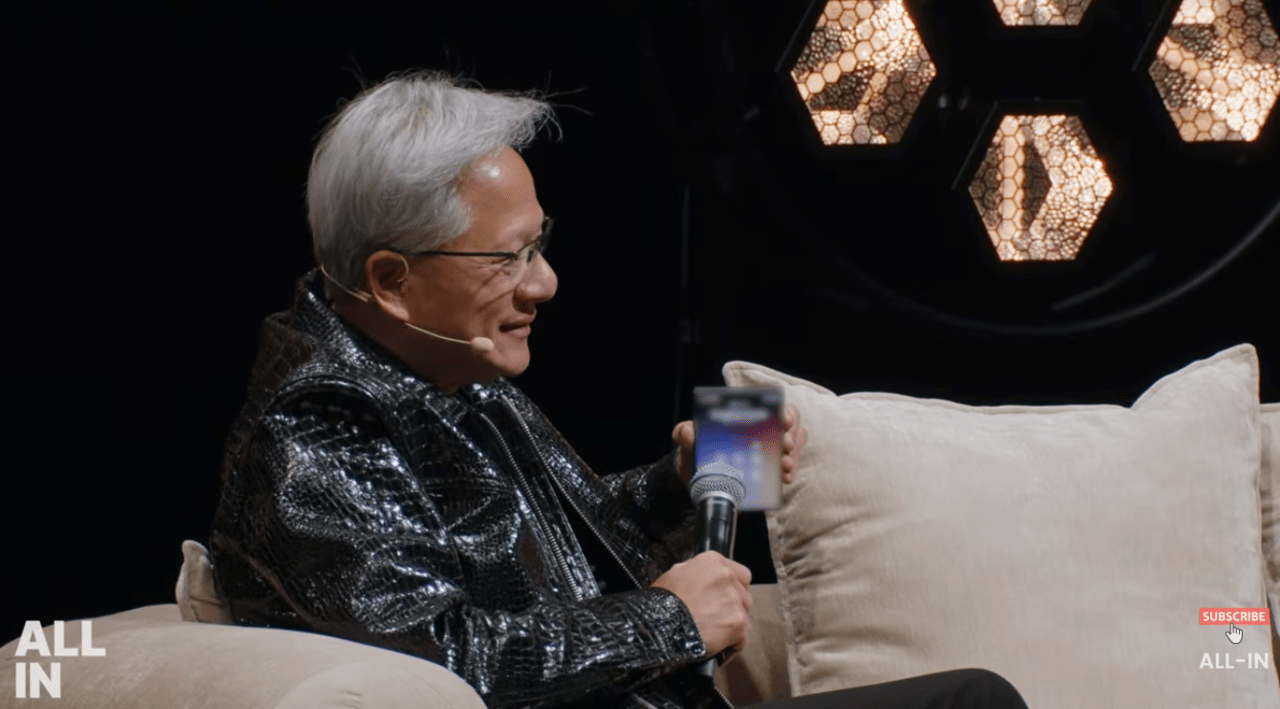
Jensen Huang was a business leader with close ties to Trump. According to the News Tribune, the two met at a Mar-a-Lago fundraising event last year and grew considerably closer during Trump’s second term. The president listened to Huang’s advice when discussing AI policy and adopted many of his controversial arguments. One prominent example was Huang’s call to allow semiconductor exports to China.
The question is when the president learned of the national security concerns. The New York Times reported that Trump was briefed at least twice about the relationship between Huang and the woman: once late last year and again this spring. According to the report, U.S. intelligence agencies had concluded that the woman had been recruited by China’s Ministry of State Security.
During Trump’s visit to China in May, Secretary of State Marco Rubio reportedly briefed the president about the matter aboard Air Force One. Huang later boarded the plane at a refueling stop in Alaska and continued on to China with Trump. The president denied having heard about it at the time. The White House also disputed the report but did not specify what, exactly, it considered inaccurate.
This is precisely the point Democrats are pressing. Senate Minority Leader Chuck Schumer said the president had “taken Jensen Huang to Beijing.” He also said Trump had accepted Huang’s advice to open the door to AI chips for China. Schumer said the president should be held accountable for failing to protect national security.
If the national security allegations surrounding Huang are confirmed, Trump will also be in a difficult position. Why did he keep Huang close after receiving warnings from intelligence agencies? Why did he accept Huang’s advice when shaping semiconductor policy toward China? The president would have to answer those questions himself.
The situation would be different if the conclusion were that Huang had personal issues but posed no national security risk. Trump could then defend the decisions he had made.
The basis Nvidia’s board cited for Huang’s return was also the view of senior U.S. government officials that there was “no national security risk.” Trump said that assessment came from both him and his advisers. In a CNBC interview, he said, “I felt he was innocent from day one.”
◆ Huang’s strategy to keep China tied to U.S. technology
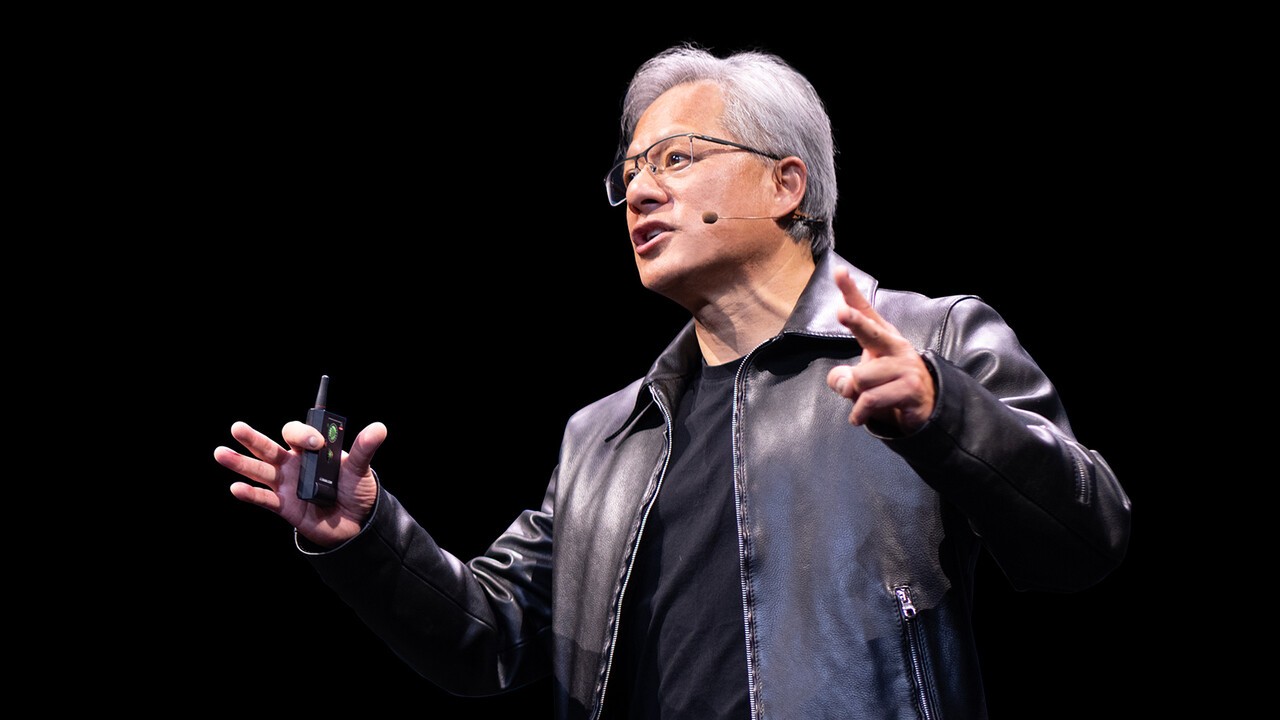
Semiconductor policy also helps explain why Trump needs Huang.
The Trump administration’s strategy toward China on semiconductors rests on the idea that “dependence means dominance.” The United States sells China chips that are less powerful than its top-tier products, aiming to keep Chinese developers using American semiconductors and software.
Commerce Secretary Howard Lutnick has described this as getting China “addicted to American technology.” Newsweek said Huang had used this argument to persuade Washington. Huang has argued that U.S. export controls were a “failure,” saying they had reduced Nvidia’s share of the Chinese market from 95% to 50%.
Trump shares that view. In a CNBC interview, he said that if the United States did not sell semiconductors, China would develop them itself. He also said China was “not that far behind” technologically.
Huang was also a useful bargaining chip in U.S.-China negotiations. He joined Trump’s trip to China in May at the last minute. Semiconductor exports to China are a major trade issue between the two countries, and Huang’s familiarity with the Chinese market made him someone who could strengthen Trump’s negotiating position. Former Taiwanese legislator Jason Hsu also suggested that Trump wanted to use Huang as a bargaining chip in talks with China.
After meeting Chinese President Xi Jinping in Shenzhen last week, Trump said Xi also regarded Huang as the world’s top mind in the field.
While Huang was away, hawkish voices on China grew louder in Washington. Treasury Secretary Scott Bessent publicly criticized the Commerce Department for delaying sanctions against companies of concern. He also called for Nvidia to appoint a CEO from outside the company. New export rules drawn up by the Treasury Department and the White House were announced on the 16th.
For Trump, bringing Huang back also meant defending the China semiconductor policy he had pursued. On the 22nd, Bessent backed away from his earlier position, calling the affair controversy “gossip-like nonsense.”
◆ “We don’t have many geniuses”
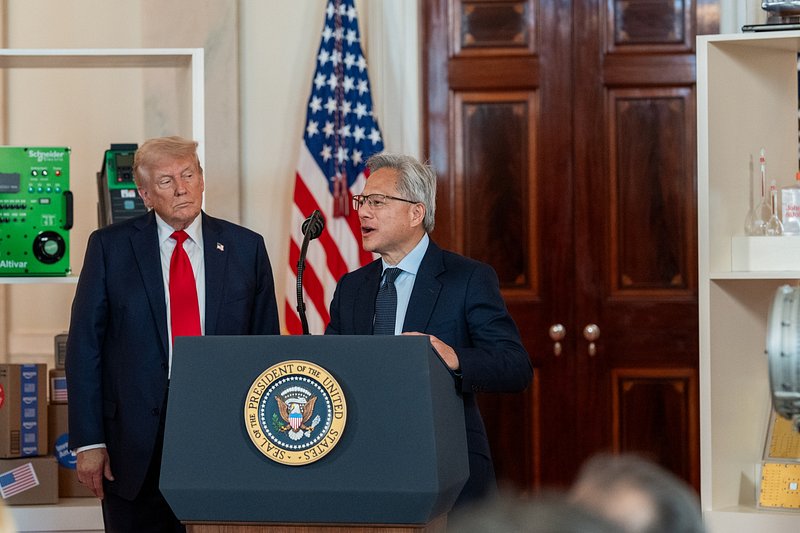
There is one word Trump uses particularly often when talking about Huang: “genius.” Trump’s apparent view is that exceptional talent should be protected, even if the person has personal flaws.
In a Fox News interview, he said, “You have to take care of geniuses. We don’t have a lot of them.” He also brought up Elon Musk, saying he had helped Musk a great deal during his first term in office. Without that support, he said, “there wouldn’t be an Elon today.”
Trump described Huang as “in a different league by himself.” He said that if Huang went to China, Xi would give him whatever he wanted.
Trump was largely unfazed by the allegations raised by intelligence agencies. “Any beautiful woman coming from China is considered a spy,” he said. Asked about reports that the woman had contact with an official from China’s Ministry of State Security, he countered, “Who doesn’t have contact?”
He was also forgiving about the alleged affair. Trump said Huang had apologized “to the company, the country, his family and his wife.” He even remarked, “Sex sells,” suggesting that the scandal could attract public attention and might even benefit the company.
Money is another factor that cannot be overlooked. Nvidia reportedly donated $1 million to Trump’s inauguration fund and contributed $25 million to the White House ballroom project. Trump also owns Nvidia stock.
So far, no reports have surfaced of evidence proving a quid pro quo between the donations and policy decisions. The White House has said the president does not take part in managing his personal assets.
Trump’s political circumstances also matter. Republicans lost control of both the House and the Senate in the November 3 midterm elections. Trump sees the AI industry as a key engine of U.S. economic growth, and regards the stock market as a measure of his administration’s performance. According to The New York Times, Trump views Nvidia as, in effect, a company that “cannot be allowed to fail.” In that context, Huang’s resignation could also have become a political liability for Trump.
◆ What remains after Huang’s return
Huang is back. Trump has publicly said he persuaded the board. The national security questions surrounding Huang have now become an issue the president has personally vouched for.
The U.S. government is investigating whether the woman had ties to Chinese intelligence. China has denied the allegations. If the findings differ from Trump’s statements, the president could also face political responsibility.
Nvidia’s independent directors’ investigative committee is continuing its inquiry. Huang is scheduled to testify before the Senate Banking Committee on December 3. Starting next January, a Congress in which Democrats hold the majority will have investigative authority.
Questions have also been raised within the Republican Party. Former House Speaker Newt Gingrich wrote that there was “something fundamentally wrong” with the relationship between Huang and the woman. Senator John Curtis said, “I want to know what changed.” Trump said Republican China hawks would “come around” if they talked with him.
Asked what standard he uses when intervening in corporate affairs, Trump replied, “Instinct.” He said he had acted “for the country.” Then he added one more thing:
“I don’t run Nvidia.”