
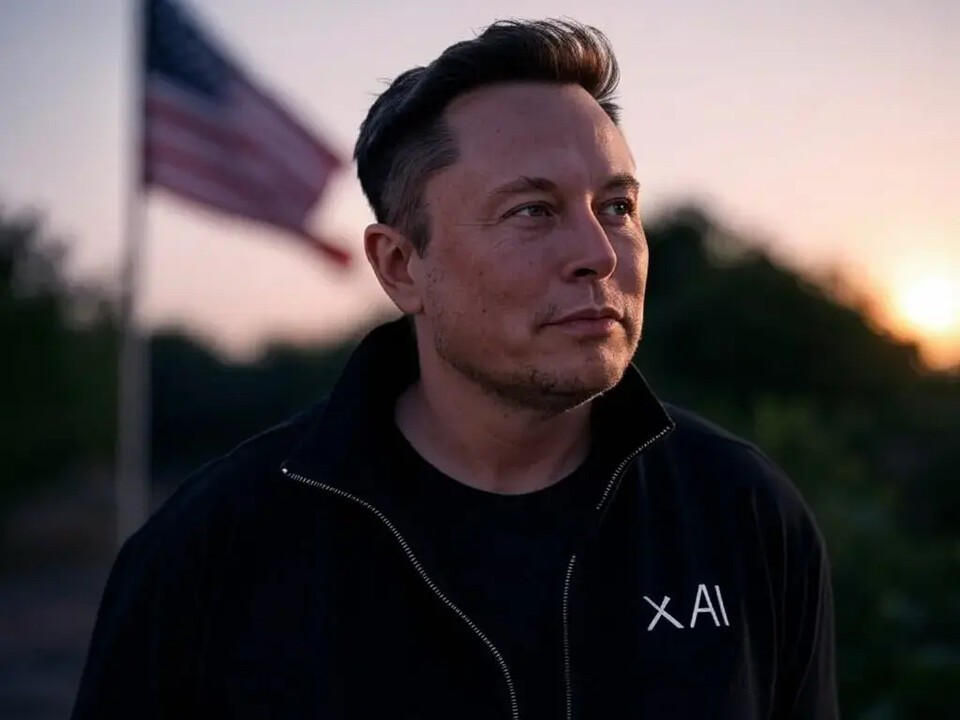
Artificial intelligence’s next bottleneck is not semiconductors but electricity. Elon Musk, CEO of Tesla and SpaceX, said during a virtual appearance at a new technology session of the G20 Innovation Ministers’ Meeting held in Chapel Hill, North Carolina, on the 1st local time, “A serious power shortage will hit next year. This is not a distant future issue.” Indian news agency IANS and other foreign media reported his remarks.
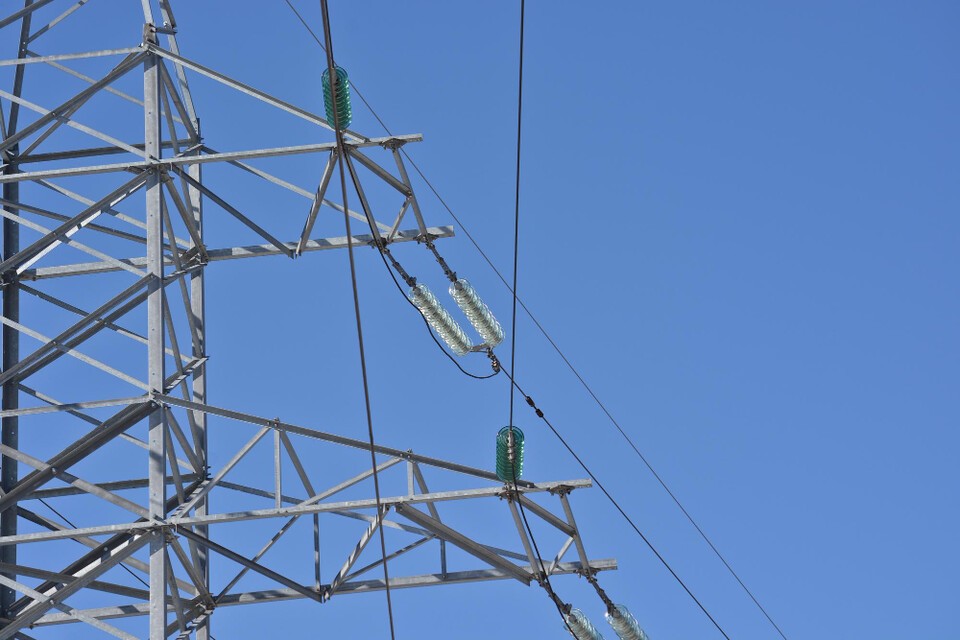
Analysts watching the industry, Musk said, expect a shortage of at least 15 gigawatts (GW) of power needed to run AI chips by 2027.
To understand what 15GW means, it can be compared to nuclear power plants. One large nuclear reactor in Korea generates roughly 1GW. Fifteen gigawatts is equivalent to the electricity produced by 15 reactors operating at once. In other words, a shortfall on the scale of nearly one-tenth of South Korea’s entire power generation capacity would be needed just for AI chips.
The reason is the difference in pace. Musk explained that while AI chip production is rising 40% to 50% a year, available electricity outside China is increasing only 10% to 20% annually. “The faster-growing side will eventually overwhelm the slower-growing side,” he said. AI chips run on electricity, so no matter how many chips are made, they cannot be used without power.
Musk viewed the power shortage as both a crisis and an opportunity. Countries that can rapidly build power facilities, he said, will be able to attract investment from AI companies.
“If a country is interested in AI data centers, securing a huge amount of electricity and supplying it to AI companies becomes an opportunity,” he said, adding that taxes and usage fees would flow into the country once data centers are built there.
Musk’s remarks also have implications for South Korea. Domestically, concerns have been raised that data centers concentrated in the capital region are straining the power grid, leading to restrictions on new construction. Following Musk’s logic, the key to attracting future AI industry investment will be how quickly and cheaply electricity can be supplied.
Musk predicted that AI will expand the global economy by 20% to 30%, or by $20 trillion to $30 trillion a year. He also said that at some point next year, AI software will reach a level similar to “Stockfish,” making it impossible for humans to compete with AI in coding. Stockfish is a chess program that even the world’s best chess players cannot beat. His point was that, just as humans can no longer beat computers at chess, a similar moment will come in programming.
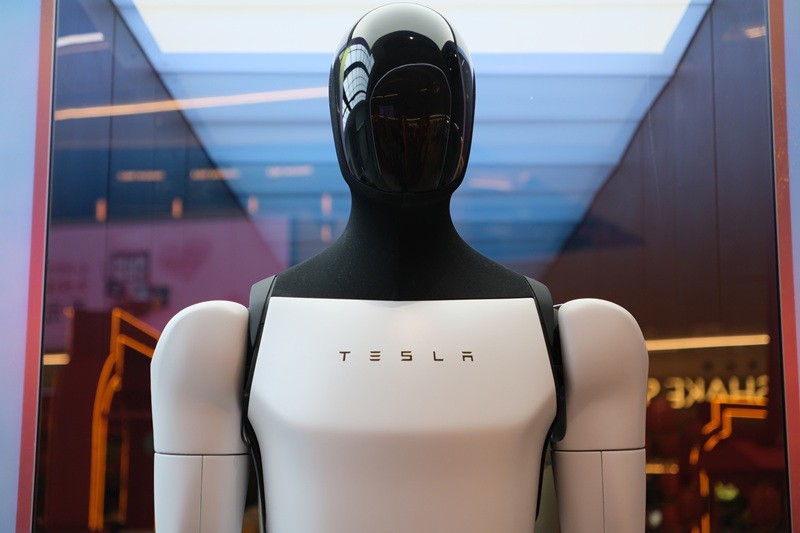
Musk said the bigger shift will come from humanoid robots. He explained that once robots begin making robots, growth will initially be slow, but at some point a feedback effect will make expansion explode. He said, “In 10 years, there will be well over 1 billion humanoid robots.”
According to Musk’s calculation, one robot produces the equivalent of five people. He added, “1 billion humanoid robots will produce more than all of humanity combined.” Since Tesla is developing its own humanoid robot, Optimus, his forecast should be viewed in light of its connection to his company’s business.
On regulation, Musk echoed the U.S. government’s stance. He opposed a system that requires prior approval when introducing new technologies, saying, “New things should be basically legal, not basically illegal.” He cited the European Union, where regulation is relatively heavy, as an example of slower technological progress.
He also called for a particular direction in government support. Comparing companies to trees in a forest, he said large companies can meet national leaders directly, while young companies cannot, and argued that “the system should be tilted toward supporting smaller trees rather than big trees.”
Musk’s remarks came at a time when G20 member countries agreed on the “Carolina Principles,” a policy framework for new technologies. The U.S.-led Carolina Principles outline policy directions that support economic growth while enabling the development and adoption of new technologies.