
Japan’s defense minister, Shinjiro Koizumi, said nuclear policy should also be discussed without taboos. Japanese media interpreted the remarks as suggesting the possibility of a review of the country’s Three Non-Nuclear Principles.
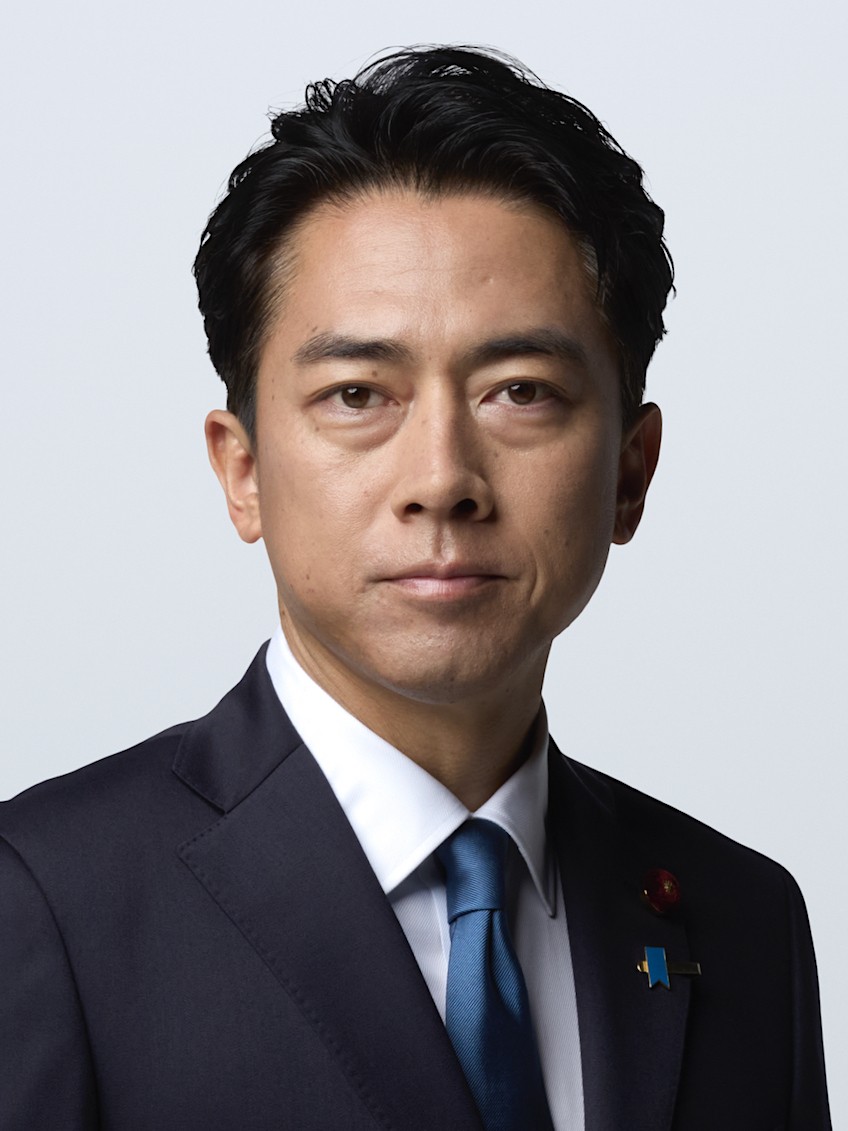
The Three Non-Nuclear Principles, long regarded as the last line of Japan’s security policy, are being shaken. That is because the sitting defense minister publicly said nuclear policy should be placed on the discussion table.
According to reports from the Asahi Shimbun and others on the 19th, Koizumi said on the internet program “Genron TV,” released the previous day, that nuclear weapons are “one of the things that cannot be left unmentioned.” He said the security environment in Europe has changed since Russia’s invasion of Ukraine, citing examples such as France expanding its nuclear forces and Finland allowing the entry of nuclear weapons into its territory, and stressed that Japan must also feel urgency and discuss all policies without taboos.
◆ The three promises long called the national policy
The Three Non-Nuclear Principles are the policy of not possessing, not producing, and not permitting the entry of nuclear weapons. Since Japan, the only country ever subjected to atomic bombings, declared them in the late 1960s, they have been treated for more than half a century as national policy.
Japan has relied on the U.S. nuclear umbrella rather than developing its own nuclear weapons. Under the ban on nuclear entry, NATO-style nuclear sharing, which would place U.S. nuclear weapons on Japanese territory, has been effectively taboo. That is why Koizumi’s remarks carry weight.
He did not directly say the Three Non-Nuclear Principles should be reviewed. However, the Asahi Shimbun reported that he criticized opposition lawmakers who insisted on maintaining the principles, saying that preserving what has been done so far is being prioritized, while protecting Japan is being pushed to the back. In effect, he was signaling that security comes before the principles.
◆ Remarks tied to year-end security document revisions
There is growing assessment that the timing of these remarks is no coincidence. The Japanese government is pushing to revise its three major security documents, including the National Security Strategy, by the end of the year. An expert panel was launched in April, with a report expected in the fall and final adoption planned for year-end.
The momentum for review has been building at the administration level. Prime Minister Sanae Takaichi had previously raised the need to amend the ban on nuclear entry, and when asked recently in parliament about whether a review was under consideration, she said all related issues would be discussed. The Japan Innovation Party, the coalition partner, called in a proposal submitted to the government last month for a realistic review of the Three Non-Nuclear Principles, including the ban on entry.
Koizumi himself also said in the Diet in November last year that discussing the introduction of nuclear-powered submarines was natural, making clear that nuclear energy should not be treated as taboo. The defense minister, the prime minister, and the coalition partner are all pointing in the same direction. That is the background for Japanese media reading this statement as a signal that the Three Non-Nuclear Principles could also become subject to review without exception during the security document revision process.
◆ The nuclear balance in Northeast Asia, and the impact on South Korea
If the ban on entry is revised, the impact will not remain within Japan. U.S. nuclear weapons could be deployed in Japan, or NATO-style nuclear sharing could come onto the table. Inside Japan, arguments are clashing between the rationale of strengthening deterrence against China’s military buildup and North Korea’s advancing nuclear program, and the criticism that such moves would undermine Japan’s identity as an atomic-bombed nation.
There are also claims that this is not just Japan’s issue for South Korea. If nuclear-sharing discussions in Japan become a reality, they could stimulate arguments in South Korea for strengthening extended deterrence and for nuclear latency. Concerns have also been raised that the Northeast Asian arms race could spread into the nuclear domain.
Whether the principle is formally rewritten or only reinterpretation is adopted is expected to determine the fate of a half-century-old national policy.