
Climate articles are everywhere. News of records being broken, warnings that ice is melting, numbers showing temperatures rising. Readers already know that Earth is getting hotter.
What is harder to understand is what comes next. Why do some continents warm twice as fast? Why do wealthy cities collapse under heat waves? What measures actually protected people? The answers have always been outside the article.
Last month, the World Health Organization estimated that excess deaths during Europe’s heat wave topped 1,300. The same organization said deaths could be cut by 80% if countermeasures were in place. Put differently, the greater the lack of preparation, the greater the damage. The climate crisis is now not just a matter of temperature, but of preparedness.
This is the beginning of “Climate, So What Do We Do?” We do not stop at warning about the crisis. We dig all the way to the causes and look for solutions that have already been proven. We also record failed measures. We have to separate what worked from what did not in order to move forward. Editor’s note
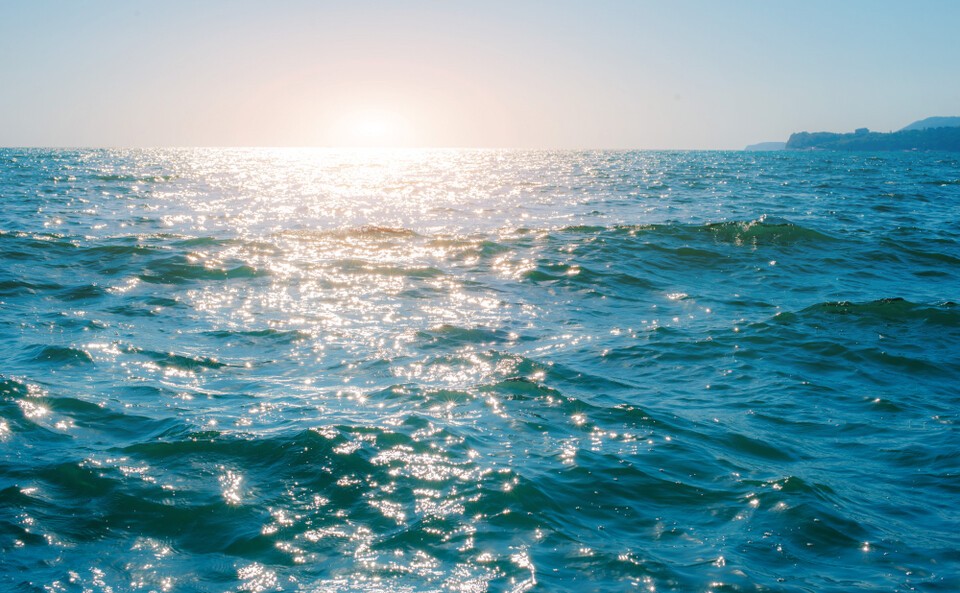
The sea is sending warning signs. That is the conclusion of the World Meteorological Organization’s (WMO) “State of the Climate in the Southwest Pacific 2025” report, released on the 7th (local time). The Southwest Pacific includes Australia, New Zealand, Indonesia, Papua New Guinea, and Pacific island nations.
In 2025, the Southwest Pacific region recorded its second warmest year on record. The hottest year was 2024, immediately before it. In other words, records were broken two years in a row. Last year, the region’s average temperature was 0.37 degrees Celsius above the 1991–2020 normal.
The number sounds small. But the heat required to warm an entire sea is difficult to imagine. An average increase of 0.37 degrees means the ocean is already carrying an enormous amount of heat.
The WMO had earlier confirmed that 2025 was also the world’s second hottest year. The Southwest Pacific’s abnormal warmth is part of that pattern. It means this is not merely a local anomaly.
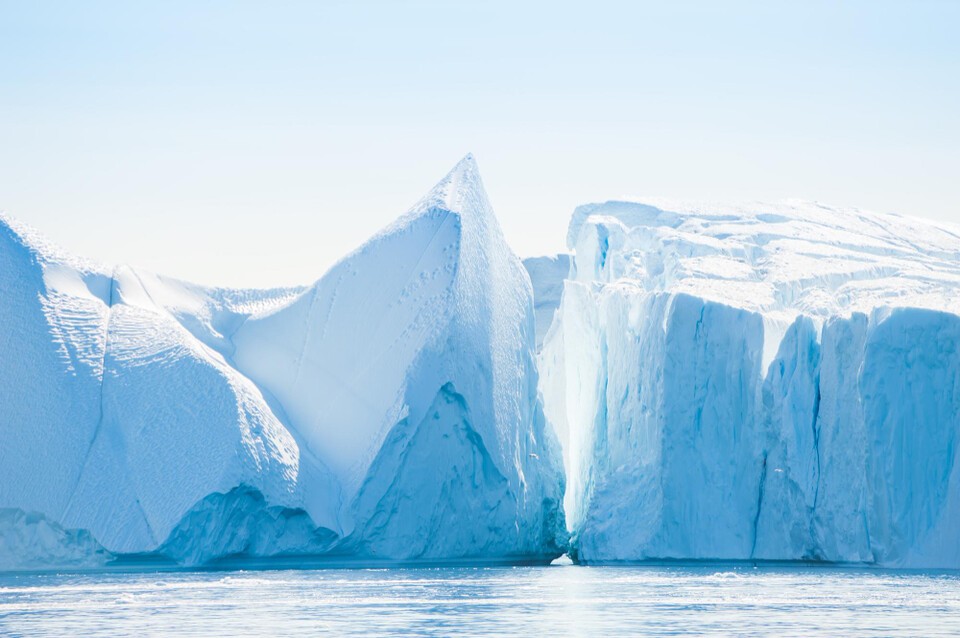
The most symbolic image is ice. In the highlands of Papua, Indonesia, there is a rare tropical glacier near the equator. Only 2% of its 1988 size remains. The WMO expects this last tropical glacier to disappear by the end of this year or early next year. Ice that has survived for thousands of years is vanishing within a single generation.
WMO Secretary-General Celeste Saulo said that for many countries, the ocean is the center of livelihoods, the economy, and resilience. She explained that in 2025, the region simultaneously experienced ocean warming, sea-level rise, marine heatwaves and ocean acidification, cyclones, and glacier loss.
This report is one in a series of climate status reports that the WMO publishes by continent and region. Its purpose is clear: to help countries prepare in advance for disasters with scientific evidence.
There are several unfamiliar terms in the report. Breaking them down makes the reality of the crisis clearer.
First, marine heatwaves. Just as land experiences heat waves, the ocean does too. It is a phenomenon in which seawater remains much warmer than normal for several days. For marine life, it is heat with nowhere to escape.
Last year, marine heatwaves in this region covered the largest area on record for a non-El Niño year. El Niño is a phenomenon in which the equatorial Pacific Ocean becomes warmer than normal and disrupts weather patterns worldwide. The WMO expressed concern that the ocean had warmed so much even without that boost. This year, with a strong El Niño developing, it could be worse.
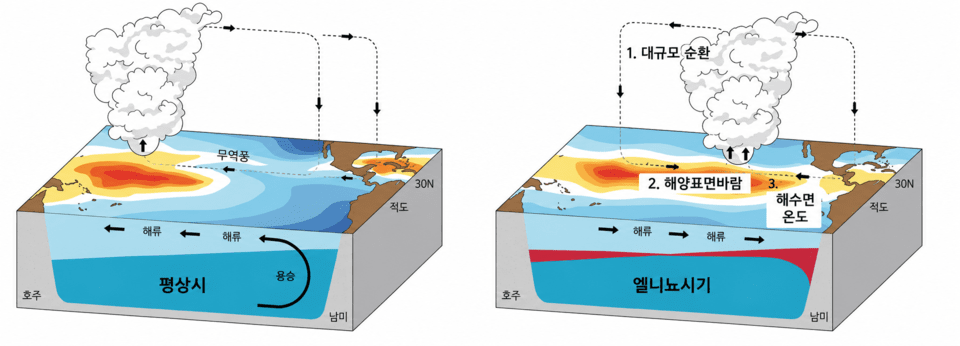
The total amount of heat stored in the ocean also hit a record high. Experts call this ocean heat content. It is the sum of heat not just at the surface but down to 700 meters. Last year, records were broken in the waters south of Australia, in the southern Tasman Sea, and in tropical waters between the Philippines and Hawaii. It was a sign that even the deep ocean had warmed.
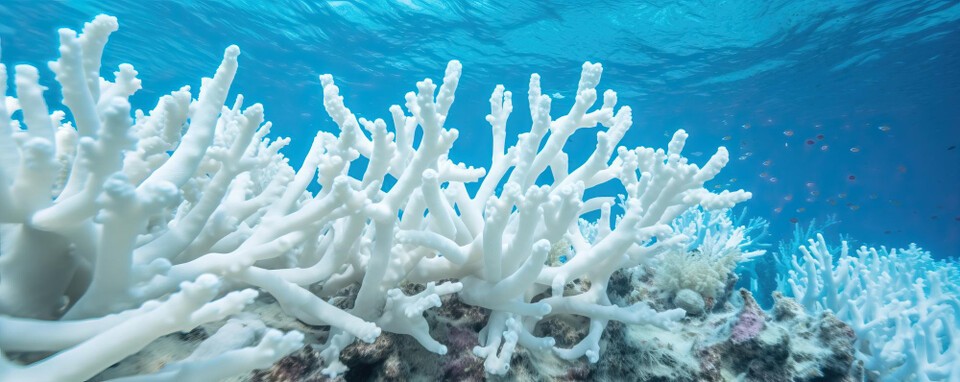
Marine heatwaves destroy ecosystems. The classic example is coral bleaching. Coral gets nutrients from microscopic algae living inside its body. When the water heats up, the coral expels those algae and, having lost its color, starves to death. Fish die-offs, aquaculture collapse, and the disappearance of seaweed forests follow.
Last summer around Australia, eastern and western coral reefs bleached at the same time. It was the first time both sides had bleached simultaneously in a single season. The WMO cited this as an example of why early warning systems are needed.
The ocean does not just absorb heat. It also absorbs carbon dioxide from the air. As a result, seawater becomes more acidic. This is called ocean acidification. Last year, near-record acidity was recorded across almost the entire Southwest Pacific surface ocean. As acidity increases, shellfish and corals have a harder time forming shells and skeletons. That means the base of the marine food chain is being destabilized.
Seawater is naturally slightly alkaline. When carbon dioxide dissolves into it, the balance tips toward acidity. The problem is speed. Scientists are worried that ocean chemistry is changing too quickly for living organisms to adapt.
Sea levels are rising at the same time. Water expands as it warms, and melting glaciers add more water. From 1999 to 2025, sea level in this region rose by an average of 3.7 millimeters a year. That may seem thin, but over decades it swallows coastlines. For low-lying island nations, it is a matter of survival.
Behind the numbers are people’s lives. Last year, the disaster that claimed the most lives was Cyclone Senyar.
Senyar was the first cyclone to reach typhoon strength in the Strait of Malacca. The Strait of Malacca is the sea route between Indonesia’s Sumatra Island and the Malay Peninsula. It is unusual for a powerful tropical cyclone to develop in such a narrow strait. The disaster killed more than 1,200 people and affected more than 10 million people in the two countries.
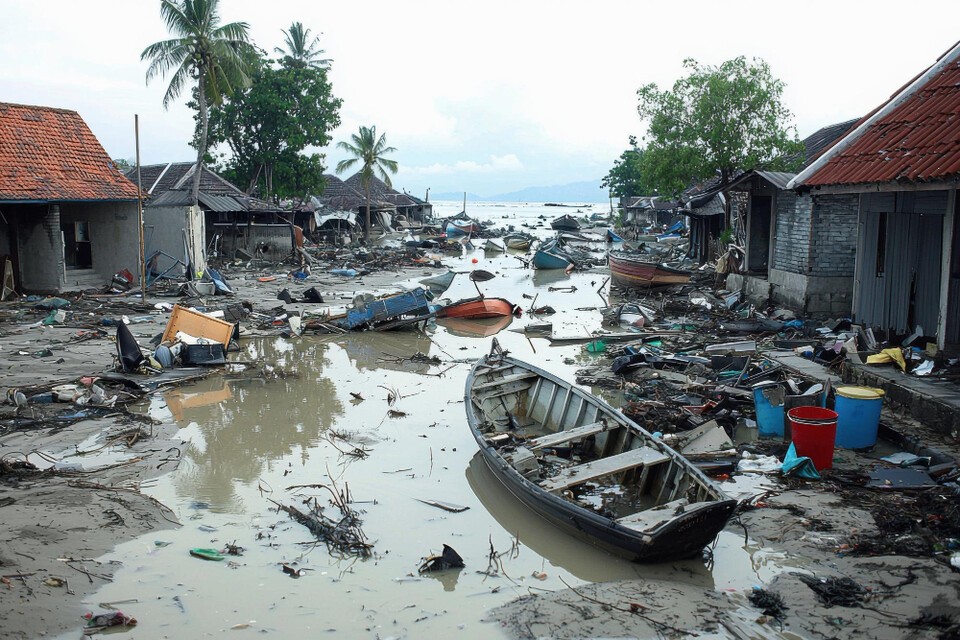
Rainfall was record-breaking as well. In northern Sumatra, more than 400 millimeters of rain fell in a single day. Northern parts of the Malay Peninsula and southern Thailand were also flooded. A warmer ocean emits more water vapor, fueling heavy rain and stronger storms.
Ocean warming also reaches the dinner table. The WMO pointed out that marine heatwaves disrupt fisheries, aquaculture, tourism, and local economies. When fish leave the waters they once inhabited, catches fluctuate. When coral dies, the underwater scenery tourists came to see disappears as well.
When the ocean wobbles, food wobbles too. Hundreds of millions of people worldwide get a significant share of their protein from the sea. That is why the WMO specifically mentioned food security.
The impact is greater for countries that depend heavily on the sea. The island nations of the Southwest Pacific have small and low-lying territories. Even a slight rise in sea level can flood villages and cause saltwater to intrude into farmland and drinking water sources. That is why Secretary-General Saulo described the ocean as the “center of resilience.”
The report also pointed to areas where sea level is rising especially fast. It is a band of ocean stretching from Australia’s east coast to the middle of the Pacific. The Coral Sea, Tasman Sea, and waters west of New Zealand are included. This means that even within the same ocean, the rate of rise differs by region.
This may sound like someone else’s problem. But Korea’s seas are warming even faster.
According to the National Institute of Fisheries Science, the surface temperature of Korean waters rose by 1.58 degrees Celsius over the 57 years from 1968 to 2024. That is more than twice the global average increase of 0.74 degrees over the same period. The East Sea rose the most, by 2.04 degrees. Stronger Tsushima Current flow, summer heat waves, and intensified water stratification were cited as causes.
The damage is already real. In 2024, aquaculture losses from prolonged high water temperatures through the end of September reached 143 billion won. Coastal and offshore fishery production also shrank from 1.51 million tons a year in the 1980s to 841,000 tons in 2024. That means far less fish is reaching the table.
Choi Yong-seok, commissioner of the National Institute of Fisheries Science, said climate change is progressing faster and more seriously than expected across Korea’s seas and fisheries. Rising water temperatures do not stop at reduced catches and aquaculture losses. They shake the broader fishing community economy. For people living off the sea, livelihoods are at stake.
The sea-level outlook is not light either. The Korea Hydrographic and Oceanographic Agency expects sea level around Korea to rise by 25 centimeters by 2050 and 82 centimeters by 2100 if greenhouse gas emissions continue at the current pace. Coastal cities, ports, and low-lying areas are in the danger zone. The East Sea is expected to rise more than the West Sea.
The Korea Meteorological Administration’s forecasts point in the same direction. Average sea temperature around Korea is expected to rise by about 1.1 degrees Celsius in the near future (2021–2040) and by as much as 2.2 degrees in the medium term (2041–2060). As water temperatures rise, red tide and high-temperature advisories will become more frequent. Aquaculture farms will be hit first.
The “State of the Climate in Asia 2025” released by the WMO also adds to the alarm. Last year, ocean heat content in Asia set a new record. The area covered by marine heatwaves from July to September exceeded 10 million square kilometers, larger than China or the United States. Twenty-three high-mountain glaciers shrank, with none escaping the loss of ice. The waters surrounding Korea are part of this trend.
Climate does not respect borders. The ocean warming, sea-level rise, and acidification observed in the Southwest Pacific are also under way off Korea’s coast. This year, with a strong El Niño developing, the region is not the only one affected; weather patterns on the Korean Peninsula will also be influenced.
So what can be done? The answer emphasized by the WMO and the UN Economic and Social Commission for Asia and the Pacific (ESCAP) alike is early warning. It is a system that informs people before disaster strikes and delivers alerts in time to those most vulnerable.
There are successful examples too. The WMO cited cases in the Philippines and Fiji where community-led early response protected lives and cultural heritage. When warnings arrive on time, the same disaster can have a very different scale of damage.
Armeda Salsiah Alisjahbana, Executive Secretary of ESCAP, said that early warning saves lives when alerts are fast, messages are trustworthy, and they reach the very last person. We cannot halt warming itself overnight. But there is still time to reduce the damage. The first step is to read the warnings the ocean is sending.