At WWDC on the 8th, Apple will unveil macOS 27, and with it comes the last chapter for Intel Macs. The new version will no longer run on Macs that use Intel chips.
The last operating system to support Intel Macs is macOS Tahoe (26), released last September. Apple has been transitioning to its in-house Apple Silicon chips since 2020.
Rosetta 2, the translator that runs Intel-era apps on Apple Silicon Macs, will also be broadly supported only through macOS 27. Starting with macOS 28, due next fall, its functionality will be significantly reduced.
Current operating systems already display warnings whenever Intel-only apps are opened, and the number of such apps has surpassed 18,800.
Even Apple Silicon Mac users should check whether the apps they use are still dependent on Rosetta 2. Intel Mac users, meanwhile, would be wise to prepare within the roughly three-year period of security updates.
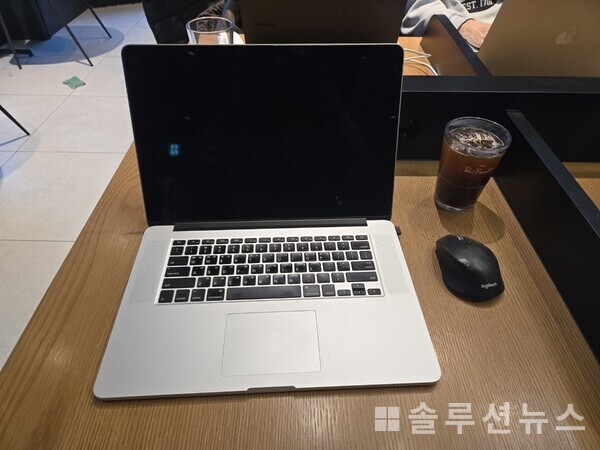
Apple will hold its Worldwide Developers Conference (WWDC) on the 8th local time and reveal its new operating system, macOS 27. Along with a slew of AI features, another change is drawing attention: starting with macOS 27, support for Intel-chip Macs will end.
Operating systems are the basic software that makes a computer run. They serve the same role as Windows on PCs, and on Macs that function is handled by macOS.
Apple began designing its own core Mac chips in 2020, replacing the Intel chips it had used before with its own Apple Silicon. In 2023, with the last Intel Mac, the Mac Pro, Apple’s new Macs were fully equipped with Apple Silicon.
The operating-system transition is now also entering its final stage. macOS Tahoe (26), released last September, is the last version to support Intel Macs. macOS 27, unveiled on the 8th, will run only on Apple Silicon Macs. Intel Mac users will no longer be able to upgrade to the new operating system.
◆ Rosetta 2 to be sharply curtailed starting with macOS 28
The fate of existing apps is also tied to the chip transition. The key is Rosetta 2, a feature that automatically translates and runs apps built for Intel on Apple Silicon Macs. Thanks to this tool, users have been able to keep using older apps without major inconvenience after the chip change.
Apple has decided to support Rosetta 2 at its current level only through macOS 27. Starting with macOS 28, which arrives next fall, the feature will be drastically scaled back. It will be retained only for some older, no-longer-updated games and similar software. Many apps from the Intel era may stop working at that point.
Warnings are already appearing. The current operating system displays a notice whenever an Intel-only app is launched, saying it may stop working in the future. Based on one user community’s tally, the number of Intel-only apps exceeds 18,800.
◆ Checking and updating Intel-only apps is key
Apple Silicon Mac users also need to check their apps, because some apps that appear to run normally may in fact rely on Rosetta 2 translation. Once support ends, those apps could stop working.
There are gradual steps users can take in response. They should check whether the apps they use have been converted for Apple Silicon, and if not, update them to the latest version.
There are also websites that organize app-by-app compatibility information. For Intel-only apps, alternatives or requests to developers to make the transition have been suggested.
There is still some time. Rosetta 2 will continue to work normally on macOS 27, meaning it should remain usable for at least another year. Intel Macs will also receive security updates for about three years after Tahoe’s release.
Apple’s removal of Intel is the final step in a six-year transition. This WWDC marks the formalization of that milestone. While attention will focus on new AI features, app compatibility checks remain an urgent task for users of Intel Macs and Intel-only apps.