
Domestic fuel prices, which had surged amid the U.S.-Iran conflict, have fallen slightly for four consecutive weeks. The national average gasoline price in the second week of June was 2,009.9 won per liter.
Crude oil prices, which had been soaring on the back of the U.S.-Iran clash, turned sharply lower late in the week as hopes for an end to the fighting grew. Dubai crude fell by $4.5 to $89.7 per barrel.
Gas station prices are reflected with a lag of two to three weeks, so the recent decline in oil prices is expected to be felt more strongly toward the end of this month.
The key question is whether the ceasefire will hold. If the agreement falls apart, the price declines could be reversed. Since prices vary widely by region and brand, finding cheaper gas stations is a practical way to save money.
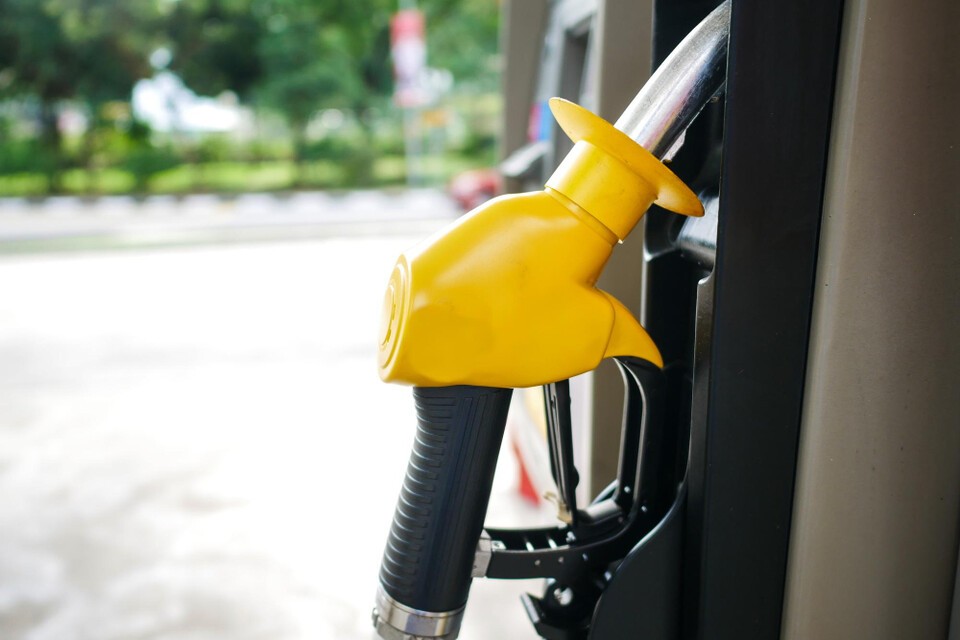
Fuel prices that had been pushed up by turmoil in the Middle East are easing. Gasoline prices at domestic gas stations, which had been rising sharply amid the U.S.-Iran conflict, have fallen slightly for four straight weeks. As international oil prices turned lower late in the week on hopes of a ceasefire, pump prices are also stabilizing.
According to Opinet, the oil price information system run by Korea National Oil Corp., the national average retail gasoline price at gas stations in the second week of June, from the 7th to the 11th, was 2,009.9 won per liter, down 0.5 won from the previous week. Diesel also fell 0.3 won to 2,004.8 won. It is the fourth consecutive week of declines, but the drop remains less than 1 won per liter. Both gasoline and diesel still remain above the 2,000-won mark.
The price varied depending on where the same fuel was purchased. Seoul had the highest average gasoline price in the country at 2,051.5 won, while Daegu had the lowest at 1,990.6 won, a difference of 60 won per liter. By brand, SK Energy was the most expensive at 2,013.8 won, while budget gas stations were the cheapest at 1,995.9 won.
◆ International oil prices turned lower late in the week
The main force pulling domestic prices down was international oil. This week started rough. Prices rose early in the week as clashes between the U.S. and Iran continued. What changed the mood was U.S. President Donald Trump. When he mentioned the possibility of a peace agreement between the two countries late in the week, oil prices gave back all their earlier gains and closed lower.
Dubai crude, the benchmark for imported oil, fell by $4.5 over the week to $89.7 per barrel. In the product markets, the picture was mixed. International gasoline prices rose slightly to $117.5, but automotive diesel dropped sharply by $7.9 to $140.1.
War pushes prices up, while signals of peace pull them down. In other words, tensions in the Middle East are directly reflected on gas station price boards.
◆ Relief at the pump comes two to three weeks later
The key issue is the time lag. Domestic gas station prices typically reflect changes in international oil prices with a delay of two to three weeks. The slight decline seen now is the result of crude oil prices from several weeks ago finally reaching the pump. The $4.5 drop in Dubai crude this week has not yet been reflected.
In other words, if the ceasefire trend solidifies and oil prices remain at lower levels, the price cuts felt by drivers could grow larger toward the end of this month. Opinet also expects domestic oil prices to continue a gradual downward trend in the future.
The lag works both ways. If the agreement collapses and the fighting intensifies again, or if crude shipments through the Strait of Hormuz are threatened, the recent declines could be reversed two to three weeks later. The variable drivers should watch is not oil prices themselves, but whether the Middle East ceasefire holds.
Although the phrase “four consecutive weeks of declines” brings some relief, prices are still stuck in the 2,000-won range. For the war-related surcharge to disappear, peace must be proven not just in words but in continuity.
Comparing prices even within the same neighborhood, where differences of tens of won per liter are common, and looking for cheaper stations such as budget gas stations remains the most practical way to ease the burden for now.