
▶ The iPhone Duo’s inner display is not a product made by a single company. Samsung Display is reportedly supplying the foldable OLED panel, but the screen also combines high-strength glass, polymer protective layers, adhesives and a support plate.
▶ The hinge consists of more than 100 components, and its cover uses 3D-printed recycled titanium. U.S. company Amphenol and Taiwan’s Shin Zu Shing reportedly took part in hinge assembly.
▶ Apple has built a supply chain for its first foldable phone involving companies in South Korea, the United States, Taiwan and China. No link has been established between the screen damage reported after launch and any particular component or manufacturing process.
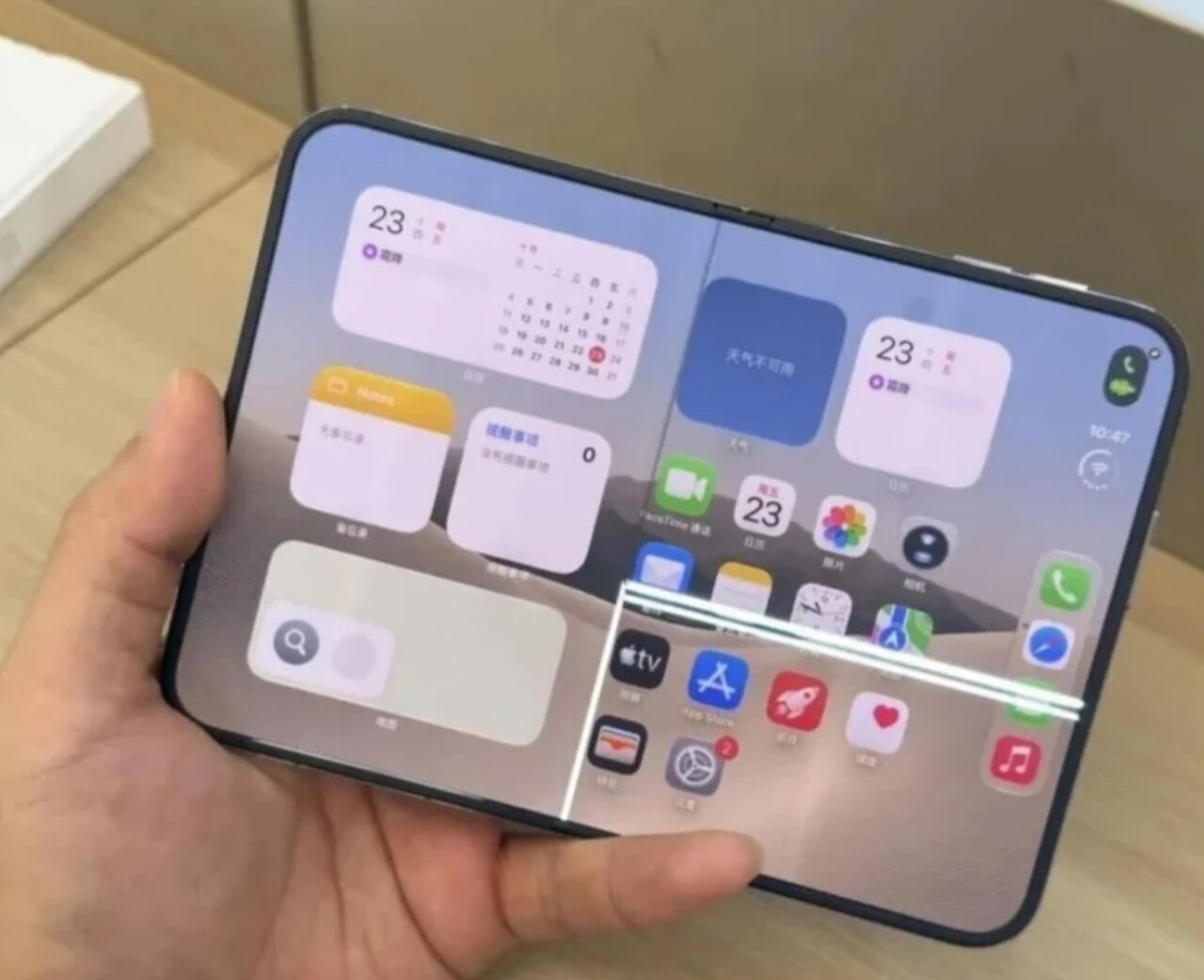
Reports that the iPhone Duo’s inner screen has cracked along its fold have continued since the phone went on sale on the 23rd. Apple has not disclosed the cause or the defect rate. Meanwhile, people online are asking, “Wasn’t the screen made by Samsung?”
The iPhone Duo’s foldable display uses an OLED panel reportedly supplied by Samsung Display. But the panel is not the entire screen. Glass and protective layers are combined above and below it, while a support structure holds it from underneath. The hinge that folds and unfolds the display is designed and manufactured separately.
In other words, multiple companies contribute to making a single screen. How much does Samsung Display make, and what has Apple designed? We examined the manufacturing structure using publicly available technical information and supply-chain reporting.
◆ A screen is made up of multiple layers
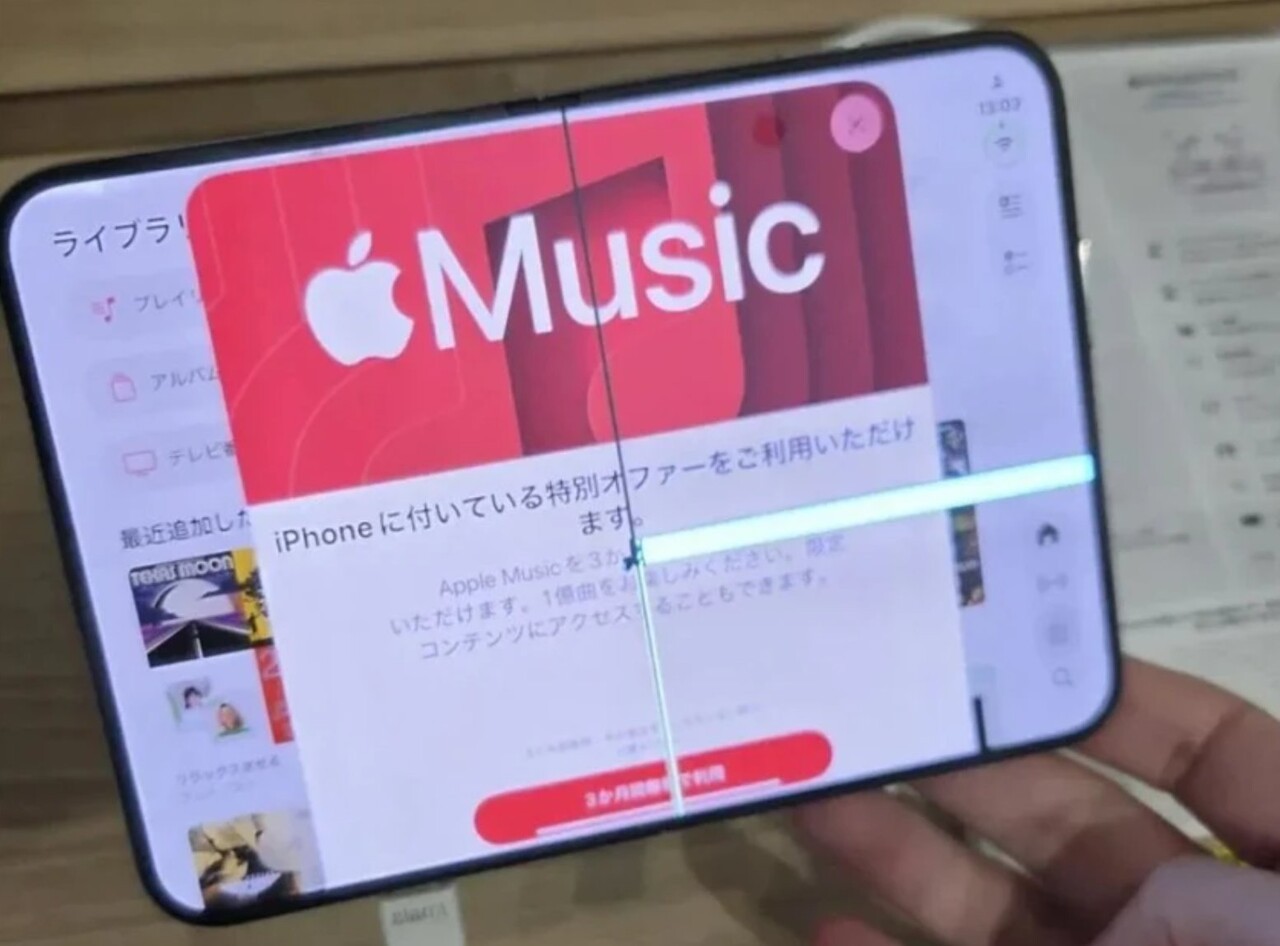
A foldable phone’s inner screen is more than a single OLED panel that emits light. Beneath the panel is a support structure that holds the screen when it folds; above it are layers that protect the surface touched by users’ fingers.
Apple says the iPhone Duo’s inner display places high-strength glass above and below the foldable OLED panel. Custom adhesives between the layers distribute the forces created when the screen bends. The surface also has a polymer protective layer and a scratch-resistant coating.
Apple says the polymer material is up to 40% stiffer than other materials used in the industry. The screen surface has a nan-texture treatment designed to make the crease less noticeable. A titanium support plate beneath the display reinforces its structure.
Samsung Display is identified as the supplier of the key foldable OLED panel. International media outlets, including PhoneArena, have reported that Apple signed a multiyear supply agreement with Samsung Display and that each panel costs about $250. Neither Apple nor Samsung Display has disclosed the contract term or unit price.
Rather than naming its supplier, Apple has described how the display was developed. In an interview on the 14th with YouTuber Michael Fisher, Rich Dinh, Apple’s vice president of hardware engineering, and JP Gilluy, who oversees iPhone display technology, said the company did not simply take an existing component and use it as is.
Gilluy said the display did not exist at the supplier before Apple began development. Dinh said it was manufactured to specifications calibrated down to the nanometer.
Samsung Display manufactures the OLED panel, while Apple defines the structure and performance required for the product and develops it with suppliers. Panel manufacturing and finished-product design are therefore separate.
The glass supply chain is separate as well. Chinese financial outlet Yicai, citing a source at market research firm CINNO Research, reported that Lens Technology is a major supplier of the ultra-thin glass used in the iPhone Duo. Lens Technology and BIEL Crystal have also been named as suppliers of glass covers for foldable screens.
Ultra-thin glass is processed to be thin enough to bend. It protects the OLED panel while withstanding repeated folding. Apple has not disclosed the manufacturers or supply shares for individual glass layers.
◆ The hinge draws attention as a possible cause of screen damage
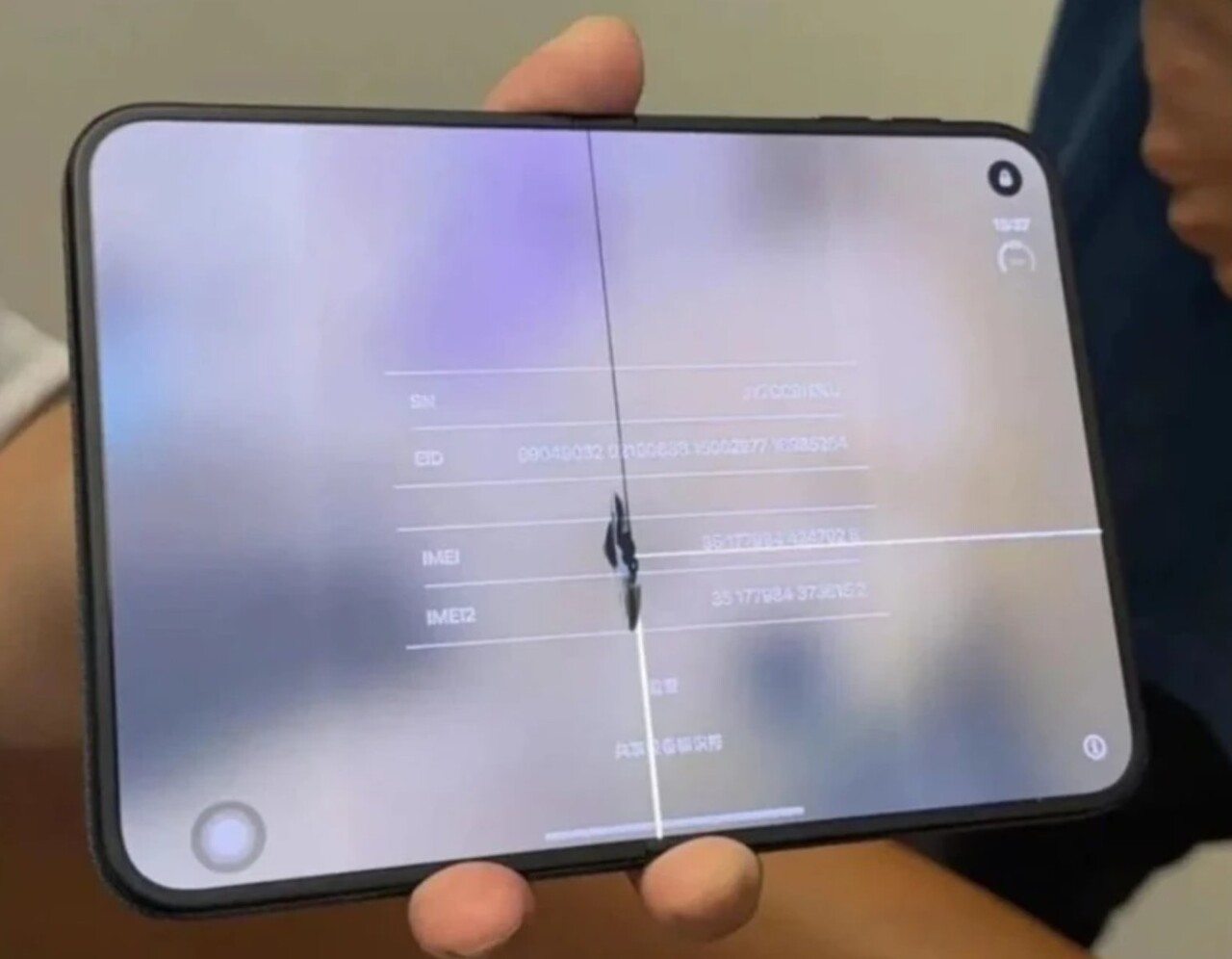
The hinge structure is drawing attention as a possible cause of the iPhone Duo’s screen damage. Some buyers have said they felt resistance around the fold before the screen cracked. The hinge is a key component that controls the folding motion and supports the inner display.
The hinge consists of more than 100 components. Apple made its hinge cover using 3D-printing technology and recycled titanium. Because precisely engineered parts must fit and move together, assembly accuracy is crucial.
The hinge does more than simply act as a joint for opening and closing the screen. It controls the movement to prevent the screen from bending too sharply and supports the center when the phone is unfolded. Multiple components must fit together precisely in a confined space.
In a September interview, Tom Marieb, Apple’s vice president of hardware engineering, said the phone had undergone accelerated testing designed to simulate about five years of everyday use. Unlike Samsung Electronics and Google, Apple has not published an official durability figure for the number of times the device can be folded and unfolded.
Hinge production reportedly encountered difficulties from the outset. Amphenol was initially expected to be the primary supplier for hinge assembly, but Taiwan’s Shin Zu Shing reportedly took over as the lead supplier after production yields fell short of expectations. Shin Zu Shing also initially struggled to meet Apple’s quality standards. At the time, parts that passed inspection were reportedly selected and supplied to Foxconn.
Chinese companies are also involved in supplying individual hinge components. Chinese financial outlet Yicai, citing analysis by CINNO Research, reported that I-ON Technology supplies components related to the hinge’s rotational shaft, while Jiangsu Jiantech supplies precision parts made through metal injection molding.
Metal injection molding uses metal powder placed in a mold to produce small, complex parts. The process is used for structures such as hinges, where small components fit together and move.
Liquidmetal has also been mentioned as a possible hinge material. In March last year, analyst Ming-Chi Kuo of TF International forecast that Apple would use an amorphous alloy in key components of its foldable phone. Apple signed an exclusive agreement for the material in 2010 and has used it in items such as the SIM ejector tool for the iPhone.
However, Chinese outlet Jiemian News reported that Apple tested Liquidmetal for some hinge components but reconsidered how to use it before mass production. The extent to which the material was used in the final product has not been disclosed.
Foxconn is responsible for final assembly. At the time in September, the assembly yield was reportedly just above 60%. Supply-chain sources also projected that it could take another six months to a year to stabilize production yields while maintaining Apple’s quality standards.
◆ The Z Fold8 has no issues
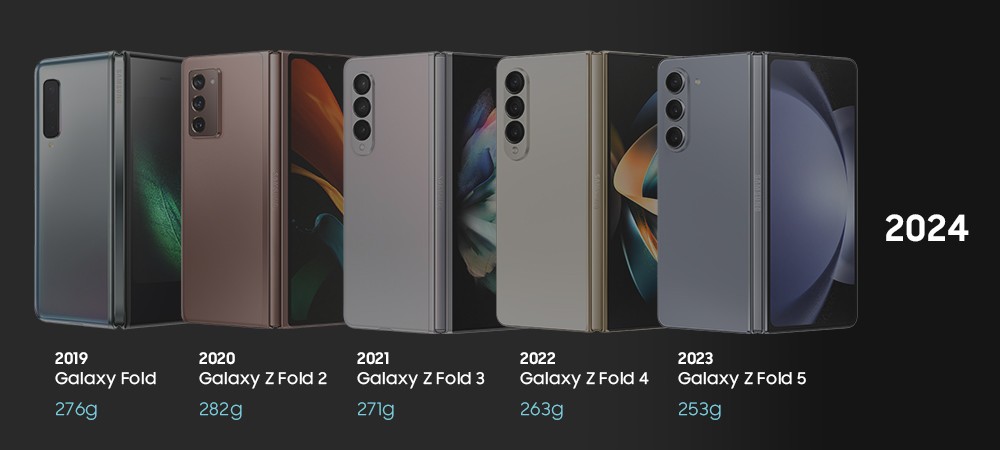
Samsung Electronics and Apple differ in their experience developing foldable phones.
Samsung Electronics has released eight generations of foldable phones, from the first Galaxy Fold in 2019 through this year’s Galaxy Z Fold8. Samsung Display develops and manufactures the foldable OLED panel, while Samsung Electronics designs the finished product’s structure, including the hinge. External partners such as KH Vatec have supplied hinge-related components.
Samsung Electronics also encountered screen damage with its first generation. In 2019, several review units of the Galaxy Fold were damaged after users removed the protective layer or debris entered through gaps around the hinge.
Samsung Electronics delayed the launch and extended the screen’s protective layer beneath the bezel. It also added protective structures at both ends of the hinge before releasing the product that September.
The company has since improved the hinge and screen structure over successive generations.
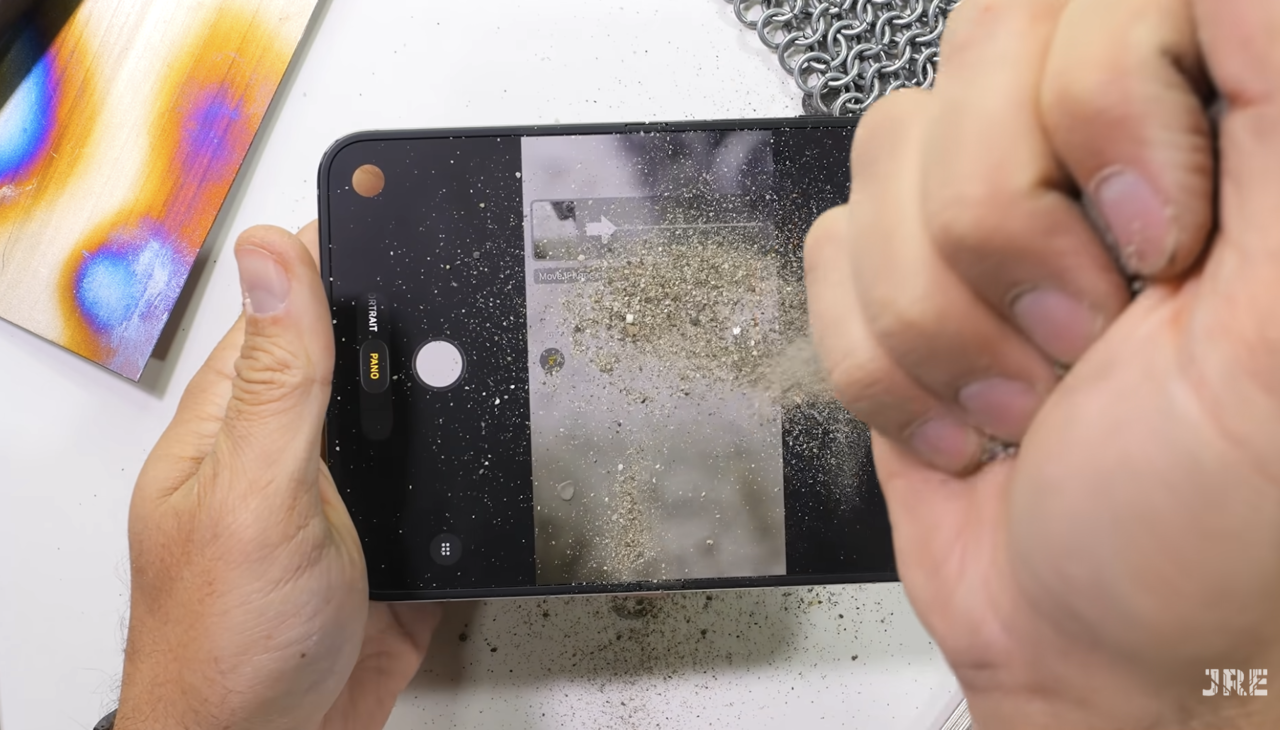
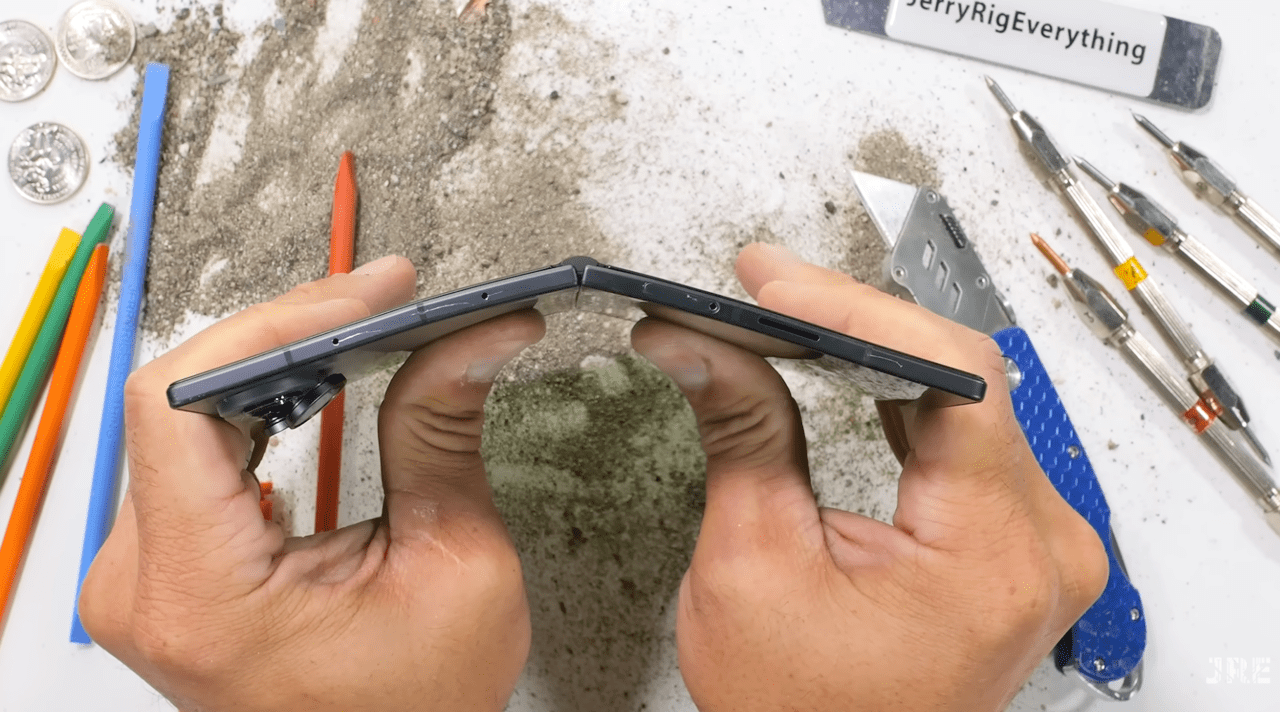
Differences also emerged in durability tests conducted by JerryRigEverything, an IT YouTube channel with about 10.2 million subscribers. After exposure to sand and dust, the iPhone Duo would not close completely. In a reverse-bend test, a green line appeared on the inner screen, and its touch function later stopped working.
By contrast, in the same type of reverse-bend test, the Galaxy Z Fold8’s body bent, but its inner screen continued to work normally. Zack Nelson, who conducted the test, praised the durability of Samsung foldables he had tested across several generations.
Apple combined an OLED panel from Samsung Display with glass and hinge components from outside suppliers in its first foldable phone. Apple designs the product’s specifications and structure, the suppliers manufacture the components, and Foxconn performs final assembly.
Samsung Electronics also uses outside partners, so the basic production structure is similar. The difference is that Samsung has experience developing and mass-producing foldable phones over multiple generations.
◆ What is known—and what is not
Reports of damage to the iPhone Duo since the 23rd have focused on the area around the fold in the inner screen. Some devices showed bright pixel lines along with cracks.
An Australian buyer said the screen cracked after they felt resistance near the hinge while unfolding the phone. The device was replaced with a new one at an Apple Store.
Apple’s official repair documentation includes procedures for checking hinge problems and replacing the internal display assembly. Hinge operation issues cannot be fixed with software, and inspection may show that parts need to be replaced.
Some devices, however, have remained intact during repeated-folding tests. Joanna Stern of The Wall Street Journal used a machine to fold and unfold one iPhone Duo more than 32,000 times over four days. The hinge still worked normally afterward. The test was conducted in a way that did not fully close the screen.
Based on supply-chain information disclosed so far, Samsung Display appears to supply the OLED panel; Lens Technology and others supply glass; Amphenol and Shin Zu Shing are involved in hinge assembly; Chinese component makers supply precision hinge parts; and Foxconn handles final assembly.
Apple designed the specifications for each component and the structure of the finished product, and developed them with its suppliers.
However, it remains unclear whether any of these components contributed to the screen damage reported shortly after launch. No connection has been established between production-yield concerns raised in September and the reported damage.
Apple has not disclosed the cause of the damage or the defect rate, nor has it acknowledged a manufacturing defect by any particular supplier.