
Apple, which has long dominated the smartphone market, is preparing a completely new type of iPhone. It is a ‘foldable’ type that folds in half like a book. This is considered the biggest structural change in 17 years since the first iPhone was released in 2007.
Although Apple has not officially announced it yet, the product, already dubbed ‘iPhone Fold’ within and outside the industry, is gradually taking shape.
According to industry supply chain sources, Apple’s major contract manufacturer, Foxconn, has recently started trial production of the iPhone Fold. Trial production is a stage where a small quantity is manufactured to check the manufacturing process before full-scale mass production. It ensures parts fit properly and there are no defects in the assembly process.
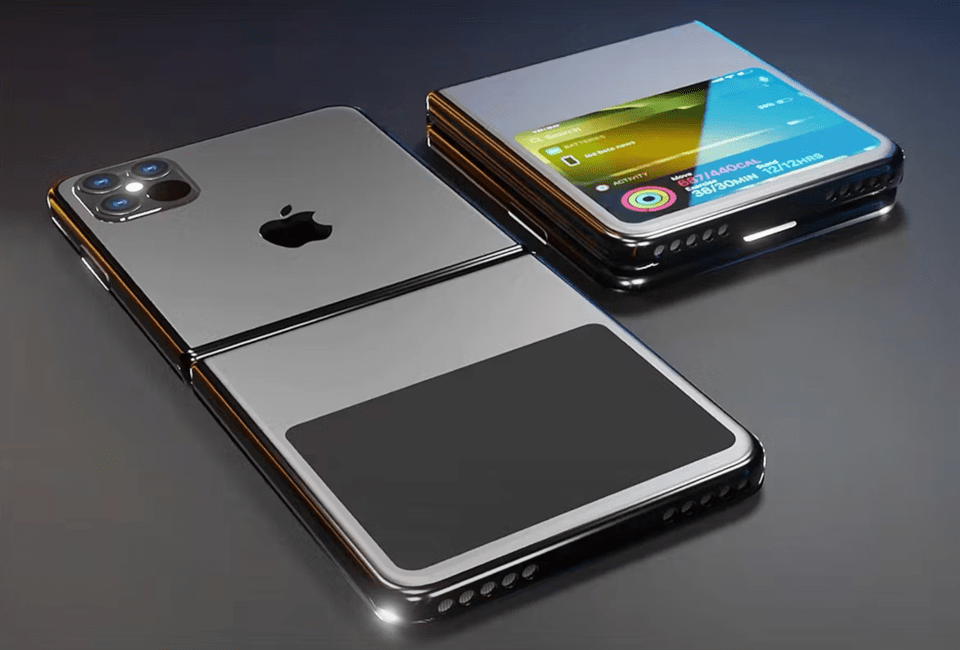
Foxconn, the world’s largest electronics contract manufacturer with large production facilities in China, has been making most of the iPhones. The start of trial production here indicates that the product development has become quite concrete.
It is said that Apple has informed its partner parts manufacturers that it plans to start shipping in the second half of this year. This is why there is speculation that it will likely be unveiled during Apple’s new product announcement event, usually held in September, alongside the iPhone 18 Pro series.
The known design so far is a ‘book style,’ similar to Samsung’s Galaxy Z Fold series, which opens left and right like a book. When folded, it is small enough to fit in one hand, but when opened, it reveals a screen close to a tablet.
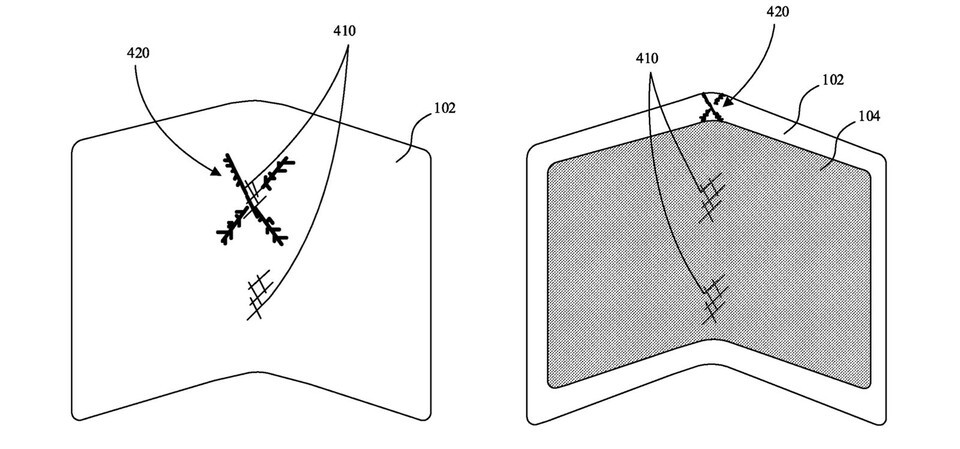
Screen sizes being mentioned are 7.8 inches for the inner (internal display) and 5.5 inches for the outer (external display). Considering that the current iPhone 15 Pro Max has a screen size of 6.7 inches, the unfolded screen is much larger. It is advantageous for video or document work and multitasking (using several apps simultaneously).
It is reported that Samsung Display will supply the display panel. There are also reports that Apple has requested up to 20 million panels from Samsung Display, which is a significant increase from the previously estimated 13 to 15 million units.
In fact, the release of the iPhone Fold was not smooth from the beginning. Previous reports indicated that technical difficulties in the manufacturing process delayed development beyond the original schedule.
The hinge parts that fold and unfold the screen, and the process of manufacturing flexible display panels, were apparently more challenging than expected.

At the time, there were even predictions that smooth shipments could be delayed until 2027 due to initial yield issues (the proportion of products produced normally) and the difficulty in controlling production speed.
Despite the expected strong demand, it was also speculated that supply shortages would continue until at least the end of 2026.
However, the news of Foxconn starting trial production hints that these concerns have been somewhat alleviated. It can be interpreted that the schedule for launching this year is regaining momentum.
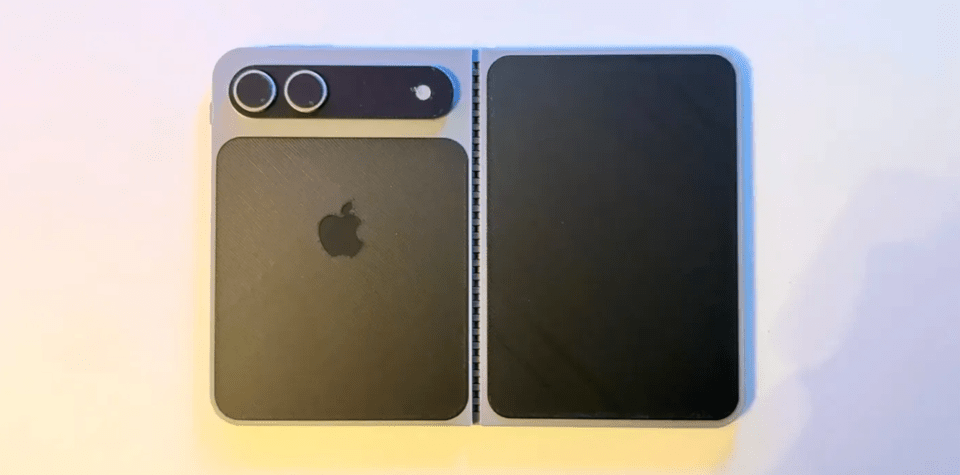
Bloomberg reporter Mark Gurman, who has covered Apple products for a long time, described this product as “the most significant external transformation in iPhone history.”
Although there have been significant changes such as the glass body of the iPhone 4, the large screen of the iPhone 6, and the notch design of the iPhone X, the foldable concept is different in that it changes the physical form of the device itself.
The price is estimated to be $1,999 for the 256GB model in the United States (approximately 2.8 million won), which is much more expensive than the regular iPhone Pro series. In China, it is expected to cost 15,999 yuan (approximately 3.1 million won).
Apple reportedly expects the iPhone Fold to help expand the foldable smartphone market itself. Once consumers become accustomed to the foldable iPhone, there is a calculation that demand could extend to vertically folding ‘flip’ styles in the future. They are aiming for the day when foldables establish themselves as a category rather than an option.