
The era of Global Warming is over. Antonio Guterres, Secretary-General of the United Nations (UN), declared the arrival of the era of Global Boiling. This is not about polar bears in a distant future, but a matter of survival right at our doorstep today. Extreme heat suffocates the poor elderly, and sudden downpours swallow up basement homes.
Environmental protection is no longer a moral choice but a necessary condition associated with the economy, security, and the survival of humanity. We are on the brink of a Tipping Point. If we don’t stop now, we will face an irreversible catastrophe. This series will dissect the reality of the crisis over ten installments, from glacial collapse to the carbon on our dining tables. It seeks survival methods to protect the 1.5°C threshold, not based on vague fear but on cold analysis.
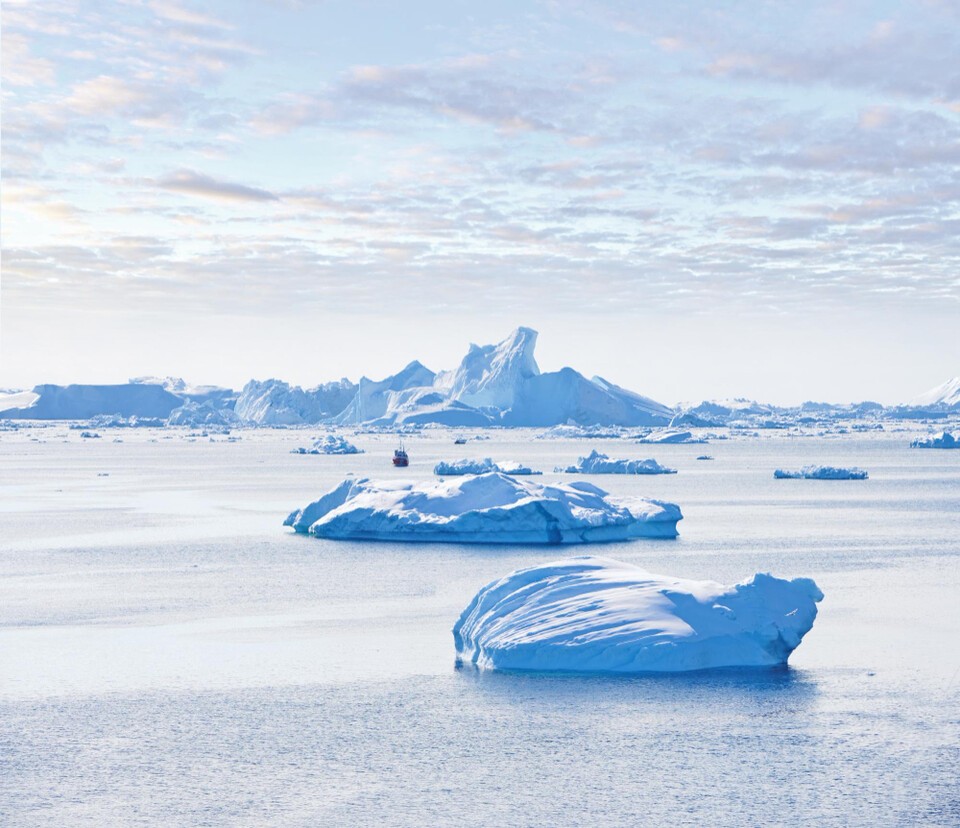
The glaciers of Antarctica and the Arctic are collapsing rapidly, laughing at previous prediction models, and have entered an uncontrollable Tipping Point within Earth’s climate system.
The NASA research team has detected signs of collapse in the West Antarctic Ice Sheet. The Thwaites Glacier, regarded as the Doomsday Glacier, is melting at more than twice the speed it did over the last 30 years. The Thwaites Glacier is 80% the size of Korea.
The glaciers melt from below due to the attack of warm currents. The grounding line, where glaciers meet bedrock, is retreating quickly. With the disappearance of the glaciers’ support, the possibility of a chain collapse has grown.
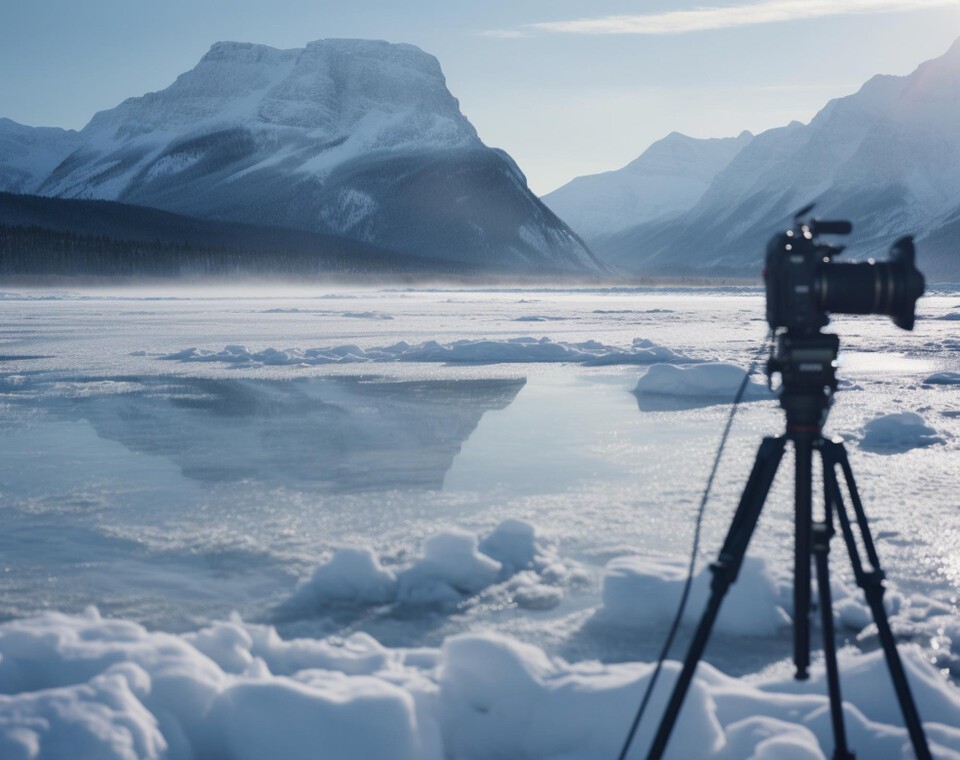
Billions of tons of ice flow into the ocean annually. If Thwaites melts completely, the global sea level will rise by 65 centimeters immediately. The collapse of surrounding glaciers could make the rise as much as 3 meters. Professor Ted Scambos of the University of Colorado warned that once the collapse starts, it cannot be stopped. Some analyses suggest the point of no return has already been surpassed.
The situation in the Arctic is even more severe. The rate of warming in the Arctic is four times faster than the global average, known as Arctic Amplification. White ice reflects solar heat, keeping the Earth cool. In contrast, the dark ocean exposed by melting ice absorbs solar heat directly. The Albedo effect disappears, leading to a vicious cycle of rising water temperatures and faster ice melting.
Greenland’s glaciers are alarming as well, with the multiplication of zombie ice that doesn’t increase in mass despite snow accumulation. The Danish Meteorological Institute reported that 85 billion tons of ice melted in a single day in Greenland, enough to cover the entire state of Florida by 5 centimeters. Professor Julienne Stroeve from University College London (UCL) predicted that Arctic summers could be ice-free by the 2030s.
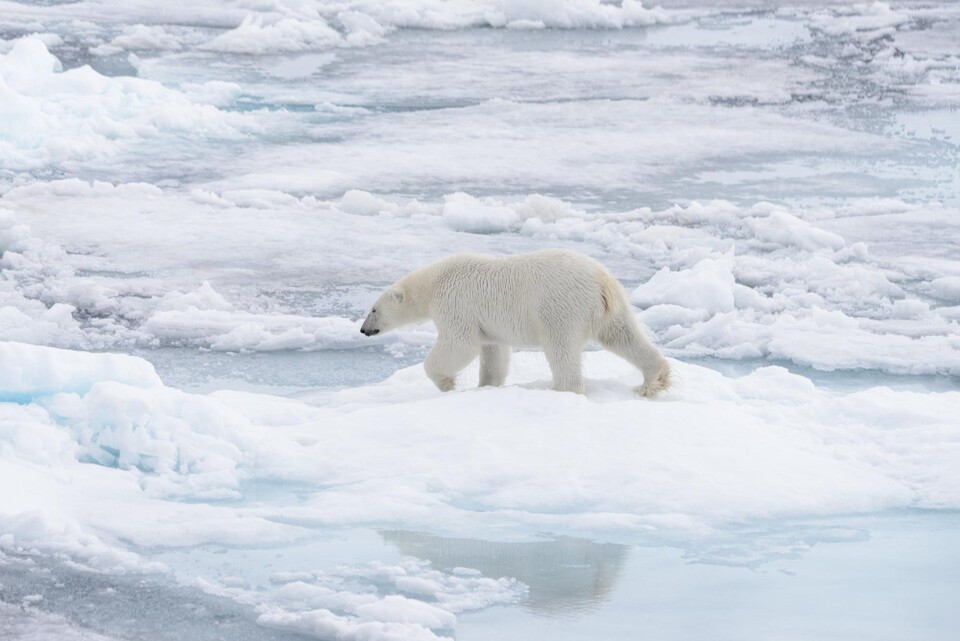
The top predators of the ecosystem are falling first. Polar bears are starving as their hunting grounds of sea ice dwindle, forcing them to swim hundreds of kilometers in search of food, often leading to exhaustion and drowning. The World Wildlife Fund (WWF) has warned that polar bears could become extinct before 2100. Cannibalism among mother bears has been reported due to the disappearance of ice platforms needed to hunt seals, their primary prey.
Rising sea levels threaten the survival of coastal cities. The World Meteorological Organization (WMO) announced that sea levels rise by 4.5 millimeters annually, double the speed of a decade ago. Island nations like Tuvalu and the Maldives face the risk of vanishing from maps. Indonesia decided to relocate its capital from Jakarta due to subsidence.
The economic damage is staggering. Flooding of low-lying coastal areas destroys farmland, and seawater seeping into groundwater contaminates drinking water. Port cities like New York, Shanghai, and Busan face flooding risks. The power of hurricanes and typhoons is increasing, leading to more frequent tidal wave damages. Climate refugees are becoming a reality.
Antonio Guterres, the UN Secretary-General, said the planet is boiling. Once glaciers collapse past the tipping point, no human technology can reverse it. The 1.5°C threshold set by the Paris Agreement for global temperature rise could be breached. The Intergovernmental Panel on Climate Change (IPCC) emphasized the urgent need to reduce carbon emissions now. Carbon reduction is a survival necessity, not a choice. Only immediate action can prevent a catastrophe.