
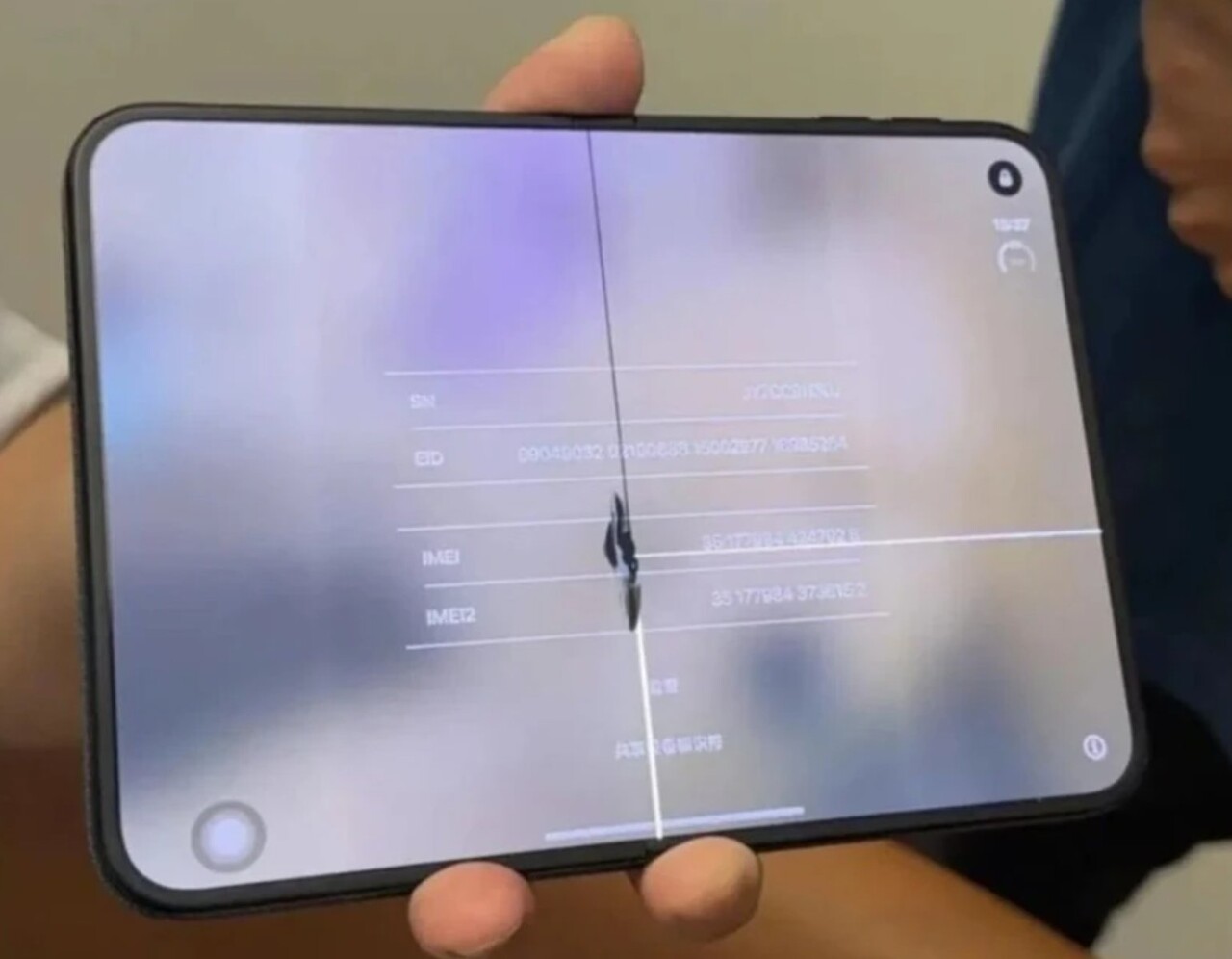
In a Reuters interview on Nov. 2 (local time), Apple CEO John Ternus said that only “a very small percentage” of its first foldable phone, the iPhone Duo, had been returned because of screen problems, and that Apple was replacing the returned devices with new ones. Apple did not disclose the return rate or the cause of the defects. The phone sold out within minutes of preorders opening on Oct. 16, and Apple Store delivery estimates are currently in late January.
Ternus also said that Apple had rebuilt Siri with AI “from the ground up” and that the assistant handles 2.5 billion requests a day.
Ternus said in a Reuters interview on Nov. 2 (local time) that the iPhone Duo had been returned because of display problems in “a very small percentage” of cases, and that Apple was replacing those devices with new ones. He did not disclose the return rate or the cause of the defects.
Apple reported $114.477 billion in revenue for the fourth quarter of fiscal 2026, announced the same day, up 11.7% from a year earlier. It was the first earnings report under Ternus, who took over as CEO from Tim Cook in September.
Creases and cracks: “A real issue, but affecting only a tiny fraction”

The iPhone Duo launched on Oct. 23. Soon after, some users reported cracks or bright lines appearing along the crease in the middle of the inner display. On Oct. 26, Apple acknowledged that some devices had developed internal display problems and told affected customers they could get replacements. The company is replacing the devices regardless of whether customers have AppleCare. Ternus said the problem was real but affected only a tiny fraction of units.
Supply is a bigger challenge. Ternus said, “Supply of the Duo is limited as of today,” adding that production was ramping up well and Apple was working to get the phone to as many customers as quickly as possible. “At this point, we can’t predict when supply and demand will reach equilibrium,” he said.
Preorders for the Duo opened on Oct. 16 and sold out within minutes. Apple Store delivery estimates are currently in late January. The phone is priced at $1,999 in the United States and 3.29 million won in South Korea for the 256GB model. Because the Duo launched after the July–September quarter, it was not included in fourth-quarter results.
“The Siri we’ve always wanted,” handling 2.5 billion requests a day
Speaking about the new Siri, Ternus said, “We now have the Siri we’ve always wanted,” and that Apple had “rebuilt it from the ground up.” He also said the new Siri handles 2.5 billion requests a day.
The new Siri runs on Apple’s proprietary AI system, Apple Intelligence. When users speak to it, it can find relevant information in messages, emails and photos, and answer questions based on what is displayed on the screen. It can also carry out tasks within apps, such as drafting emails or editing photos to share. Apple added Korean-language support in a software update last month.
Apple has been more cautious than other major tech companies about investing in AI infrastructure, but it included the cost of running the new Siri in its guidance for the December quarter. AI features require server resources—and incur costs—every time they handle a request, even after the underlying models have been developed. At 2.5 billion requests a day, those expenses are large enough to show up in quarterly results.
Revenue rises, but margins are set to narrow
Fourth-quarter results exceeded market expectations. Revenue was $114.4 billion, net income was $30.7 billion, and earnings per share came to $2.10, beating the forecast of $1.99. iPhone revenue rose 17% to $57.6 billion, Mac revenue increased 24% to $10.8 billion, and services revenue climbed 10% to a record $31.6 billion. Operating income rose 9.9% to $35.631 billion, with an operating margin of 31%.
The concern is the coming quarter. Apple forecast that revenue for the December quarter would grow 7% to 10%, with a gross margin of 45% to 46%. That is 1.9 to 2.9 percentage points below the fourth-quarter gross margin of 47.9%. Apple said rising memory prices and the cost of operating Siri’s AI features would weigh on margins.
Ternus described memory prices as “unprecedented” and said Apple expected its purchase costs to keep rising after December. Apple raised prices on Macs and iPads in June and on iPhones in September, while its commitments to purchase components increased by $33 billion between the June and September quarters. Apple also said memory constraints would make supplies of Macs and iPads tight in the December quarter. Apple shares fell as much as 4% in after-hours trading following the announcement.