
Key points
▶ Samsung administered its second-half Samsung Aptitude Test (GSAT) online over two days, October 24–25.
▶ Applicants to 19 Samsung affiliates, including Samsung Electronics, Samsung C&T and Samsung Biologics, took the test on computers at separate locations.
▶ Final hiring decisions will follow interviews and health screenings in November.
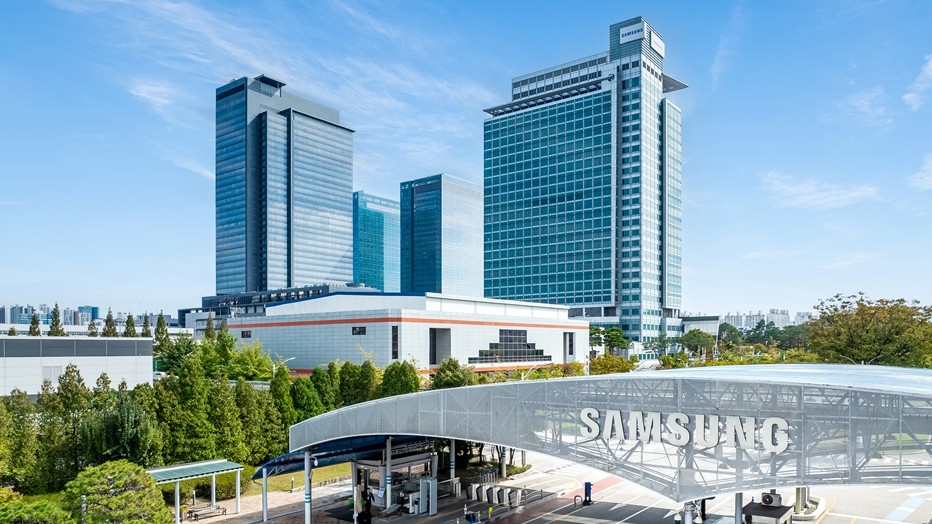
Samsung administered its Samsung Aptitude Test (GSAT) to job applicants over two days, October 24 and 25.
The 19 participating affiliates were Samsung Electronics, Samsung C&T, Samsung Biologics, Samsung Bioepis, Samsung Life Insurance, Samsung Display, Samsung SDI, Samsung Electro-Mechanics, Samsung SDS, Samsung Fire & Marine Insurance, Samsung Card, Samsung Securities, Samsung Heavy Industries, Samsung E&A, Hotel Shilla, Cheil Worldwide, S-1, Samsung Medical Center and Samsung Welstory.
The GSAT assesses overall reasoning and problem-solving skills as part of Samsung’s hiring process.
Taking the test at home on a computer
Samsung moved the GSAT online in 2020 in response to the COVID-19 pandemic. Applicants take the test on a computer at home or another location where they can sit alone.
To ensure the test runs smoothly, Samsung held preliminary sessions on October 17 and 18 to check applicants’ computer setups, the testing system and network connections.
The testing process varies by job category. Applicants for software (SW) positions took an in-person, computer-based skills test on October 11 instead of the GSAT, at Samsung Electronics’ Suwon campus and Samsung SDS’s Jamsil office.
Design applicants are selected through portfolio reviews without taking the GSAT. Samsung began its second-half recruitment drive by accepting applications in September. Interviews and health screenings will follow the GSAT in November.
Samsung is the only one of the four major business groups to retain regular recruitment
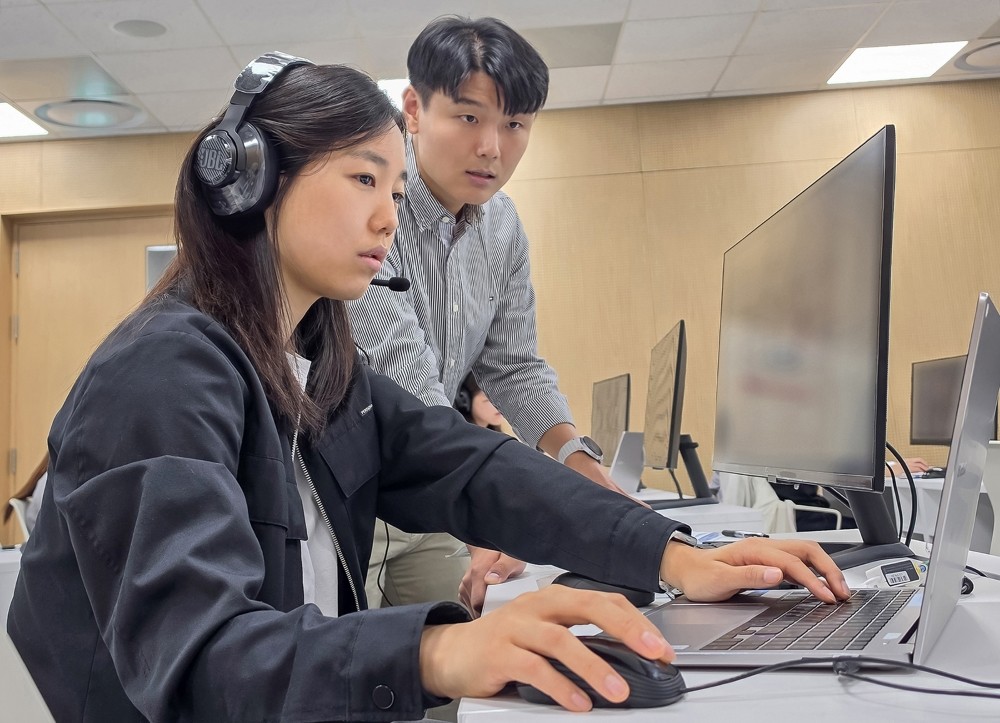
Samsung’s regular recruitment program stands out because it is the only one still maintained by any of South Korea’s four major business groups. Hyundai Motor Group ended regular recruitment in 2019 and shifted to hiring on an as-needed basis by business division. However, it collects and publishes recruitment notices from major affiliates each quarter so job seekers can anticipate when positions will be announced.
LG Group replaced regular recruitment with year-round hiring starting in the second half of 2020. At the time, it also announced plans to fill more than 70% of new positions through internships linked to potential employment. SK Group expanded rolling recruitment from 2019 and abolished group-wide regular recruitment in 2022. Hanwha Group likewise replaced group-wide recruitment with hiring by individual affiliates in the second half of 2020.
Not all major companies have ended regular recruitment. POSCO, HD Hyundai, CJ and Shinsegae, among others, have continued group-wide open recruitment. In particular, HD Hyundai held a second-half recruitment drive for new graduates involving major affiliates this September.
Companies are expanding rolling recruitment to secure the talent they need at the right time as business conditions and technology change. For job seekers, however, this means having to check recruitment schedules and job openings frequently. Some companies reduce this uncertainty by concentrating the release of job postings within set periods.
Samsung introduced regular recruitment for new graduates in 1957 and has maintained the system for 70 years. Apart from a temporary suspension during the foreign-exchange crisis of the 1990s, it continued hiring through the oil shocks of the 1970s and the global financial crisis of the 2000s. In 1993, it introduced regular recruitment for female university graduates, and in 1995 it removed educational qualifications as a condition for applying.
Youth employment has fallen for 47 consecutive months
While Samsung continues regular recruitment, South Korea’s youth employment market remains sluggish. According to the September 2026 Employment Trends report released by the National Data Agency on October 16, the number of employed people aged 15 to 29 fell by 147,000 from a year earlier, marking the 47th consecutive month of decline.
The youth employment rate was 44.0%, down 1.1 percentage points from the same month a year earlier, while the unemployment rate rose 0.6 percentage points to 5.4%. Total employment increased by 113,000, but the gain was smaller than the 184,000 increase recorded in August.
Last September, Samsung announced plans to hire 60,000 people over the next five years. It intends to expand recruitment in future growth areas, including components—particularly semiconductors—as well as biotechnology and artificial intelligence (AI).
Samsung Electronics Chairman Lee Jae-yong said at a meeting with business associations and corporate leaders on August 19 last year that, separate from investment in the United States, Samsung would continue investing to create jobs in South Korea and develop high-value-added industries.
Youth education programs
Alongside recruitment, Samsung also runs education programs for young people. Its Samsung Software and AI Academy for Youth (SSAFY), which provides free software and AI training to unemployed young people, operates at five campuses in Seoul, Daejeon, Gwangju, Gumi and Busan.
Since its first cohort began in December 2018, more than 11,000 people have graduated from cohorts one through 13, and over 9,400 of them have found jobs—a placement rate of about 85%.
In June 2025, the curriculum was shifted to focus on AI. The program also opened to graduates and expected graduates of Meister high schools starting with its 13th cohort in January 2025, giving young people without university degrees access to AI and software training.
Samsung also supports the development of skilled workers. Since 2007, it has sponsored the WorldSkills Competition and offered special hiring opportunities to award winners at the National Skills Competition.
From 2007 through 2025, Samsung hired more than 1,600 competition winners at companies including Samsung Electronics, Samsung Electro-Mechanics and Samsung Display. Samsung said it would continue regular recruitment, job-specific hiring and youth education programs.