
How to extract the sweetest lies? Xylitol may pose cardiovascular risks, according to a large-scale study.
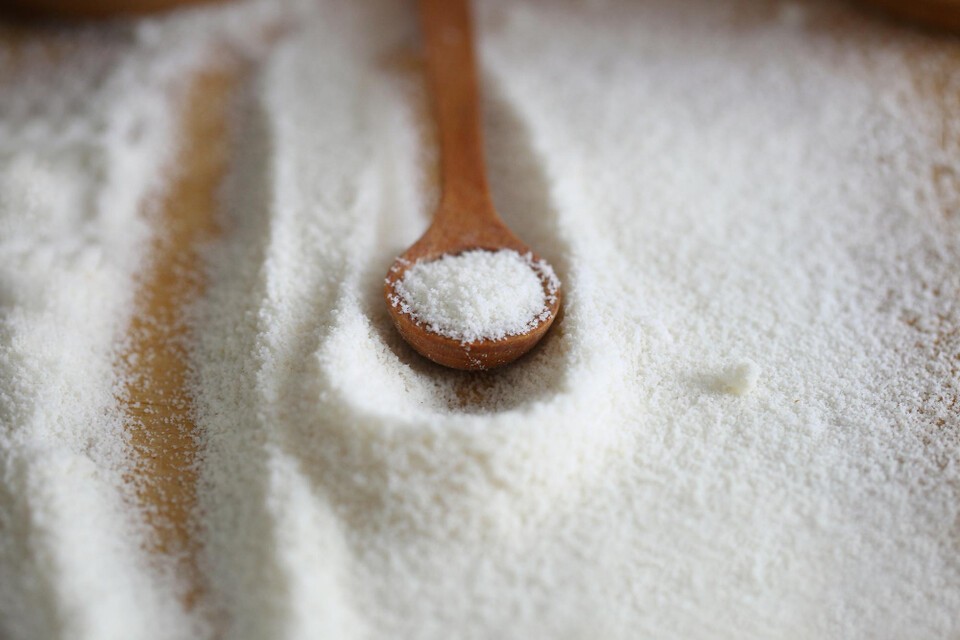
A large-scale study has found that xylitol, a sweetener widely used in place of sugar, may be harmful to heart health. The findings suggest that the higher the level in the blood, the greater the risk of heart attack and stroke.
Researchers led by Dr. Marco Vitkovsky at Charité University Hospital in Berlin presented the results on the 29th local time at the European Society of Cardiology (ESC) congress in Munich, Germany. This is the largest study to examine the relationship between xylitol and cardiovascular disease.
The research team analyzed blood samples and health records from 17,710 adults who participated in the Canadian Longitudinal Study on Aging and the Norfolk cohort study in the United Kingdom. Based on blood xylitol concentration, participants were divided into four groups, and cardiovascular disease incidence was compared between the top 25 percent and the bottom 25 percent.
What is xylitol, from gum to toothpaste?
Xylitol is a sweetener known as a sugar alcohol. It provides a taste similar to sugar but with fewer calories and does not cause tooth decay, so it is widely used in sugar-free gum and candy, toothpaste, low-calorie ice cream, and jam. In South Korea, since the xylitol gum craze in the early 2000s, it has been widely perceived as a “tooth-friendly sweetener.”
It is also naturally present in fruits such as plums and strawberries. The problem is the amount. According to the researchers, xylitol added to processed foods can be up to 1,000 times greater than the amount found in natural foods. In other words, daily exposure can far exceed the levels the body originally encountered.
The analysis showed a dose-dependent relationship. In the Canadian data, the top 25 percent of blood xylitol levels had a 57 percent higher risk of death, heart attack, or stroke within six years than the bottom 25 percent. The difference remained even after adjusting for age, sex, smoking, cholesterol, diabetes, and hypertension. In the UK data tracked for 30 years, the risk was still 18 percent higher.
The researchers point to blood clots as the cause. Dr. Vitkovsky said, “In previous studies, we confirmed that xylitol enhances platelet aggregation.” Platelets are blood components that help stop bleeding by clotting when a wound occurs. If this function becomes excessively strong, blood clots can form more easily inside blood vessels. If a clot blocks the coronary arteries, it can cause a heart attack; if it blocks brain vessels, it can cause a stroke.
The same research team also published similar findings in the European Heart Journal in 2024 after following patients at risk of cardiovascular disease for three years. This study expanded the population to the general public and extended the follow-up period to as long as 30 years, confirming the same trend once again.
So should you stop chewing xylitol gum?
In short, there is not yet enough evidence to say it should be stopped immediately. This is an observational study. It shows only an association, that heart disease was more common in the group with higher xylitol levels, but it does not prove that xylitol causes heart disease. It is also possible that many people turned to sweeteners instead of sugar because their health was already worsening.
The society attached the same caveat. Dan Atar, a professor and communications committee member of the European Society of Cardiology, said, “It is difficult to conclude causation from an observational study,” but added that “because this is a socially important issue, follow-up research is absolutely necessary.”
Dr. Vitkovsky said, “Sweeteners have been considered healthier than sugar, and regulators have generally regarded them as safe,” adding that “these results show how little we know about the cardiovascular safety of xylitol.”
This is not an argument for going back to sugar either. Del Stanford, a senior nutritionist at the British Heart Foundation, said, “This is not a green light to consume more sugar,” and emphasized that “reducing processed foods high in sugar, salt, and sweeteners and focusing on a balanced diet is the way to protect the heart.”
What consumers can do
Food labels are the starting point. Xylitol is mainly found in products labeled “sugar-free,” “zero sugar,” or “zero.” Checking labels for xylitol or sugar alcohols can help estimate how much you consume each day.
Experts say there is no need for major concern if you are only consuming a few pieces of gum, but if your diet is filled with sugar-free products, including drinks, snacks, and desserts, the intake can become larger than expected.
The fundamental solution is to gradually reduce the craving for sweetness itself. Whether it is sugar or sweeteners, a palate accustomed to sweetness tends to seek even more sugary foods. The World Health Organization issued guidance in 2023 recommending against the use of artificial sweeteners for weight control purposes. Internationally, there is a growing trend to view sweeteners not as safe substitutes for sugar but as additives that should be reduced.
If you need sweeteners to manage blood sugar, as in the case of diabetic patients, it is safest to consult your doctor and decide on the type and amount. Simply switching from xylitol to another sweetener is not necessarily a solution.
The same research team has previously reported similar warning signs for erythritol, another sugar alcohol. For that reason, reducing reliance on processed foods is a more certain direction than avoiding a specific ingredient.