
SpaceX employees and early investors’ lock-up on 911.5 million shares was lifted on Aug. 6 local time. The stake, worth about $101 billion, is more than twice the amount of tradable shares released when the company went public.
The day that was supposed to trigger a wall of selling instead saw the stock rise. Even though more than 900 million locked shares were released at SpaceX, which had fallen to a record low, the market-wide panic selling that many feared did not materialize.
U.S. outlets including CNN and CNBC reported that on Aug. 6 local time, as part of the partial expiration of the lock-up period for SpaceX employees and early investors, 911.5 million shares became tradable.
The value of those shares came to about $101 billion, or roughly 144 trillion won. Considering that only about 639 million shares, or 5% of the total, were released to the market at the company’s June 12 initial public offering, the amount of tradable stock more than doubled in a single day.
Lock-up agreements prevent company insiders and early investors from selling their shares for a certain period after an IPO. They are seen as a safeguard against a flood of supply, since investors who acquired shares cheaply could otherwise cash out all at once right after listing, crushing the share price and hurting new retail investors.
A lock-up ending means shares can be sold; it does not guarantee that selling will actually surge. Even so, volatility tends to rise around the expiration date, so markets have long treated such events as important supply-and-demand catalysts.
Expectations and outcomes diverged. The stock, which had fallen 14% the day before to close at a record low of $108.27, rebounded 9% on the day the shares were unlocked to finish at $114.92.
Two explanations have emerged for the rebound. One is that early investors, seeing the share price sink below even the IPO price of $135, hesitated to sell at depressed levels and effectively kept their hands tied.
In other words, the price at which they could sell had fallen far below the price at which they wanted to sell, creating a shortage of supply. Another view is that bargain hunters stepped in, believing the bad news had already been priced in by the sharp drop just before the unlock.
Investors’ views differ. Chris Dennard, who invested $25,000 when shares were $19 apiece, said he had wanted to sell before prices fell further, calling the lock-up “killing” him. He said he would sell everything if the stock drops below $50, but also sees upside potential and plans to wait and see.
Those choosing to hold are equally vocal. Lance Brightstein, who bought $500,000 worth of shares in 2024, said he would only consider selling if the stock rebounds to around $130. Philip Rood, CEO of Bitcoin Japan, said this is a long-term, 10-year investment and that he does not plan to sell now. Still, some caution that it is too early to conclude that the supply burden has disappeared after just one day of gains. Once the stock enters a recovery phase, deferred sell orders could resurface.
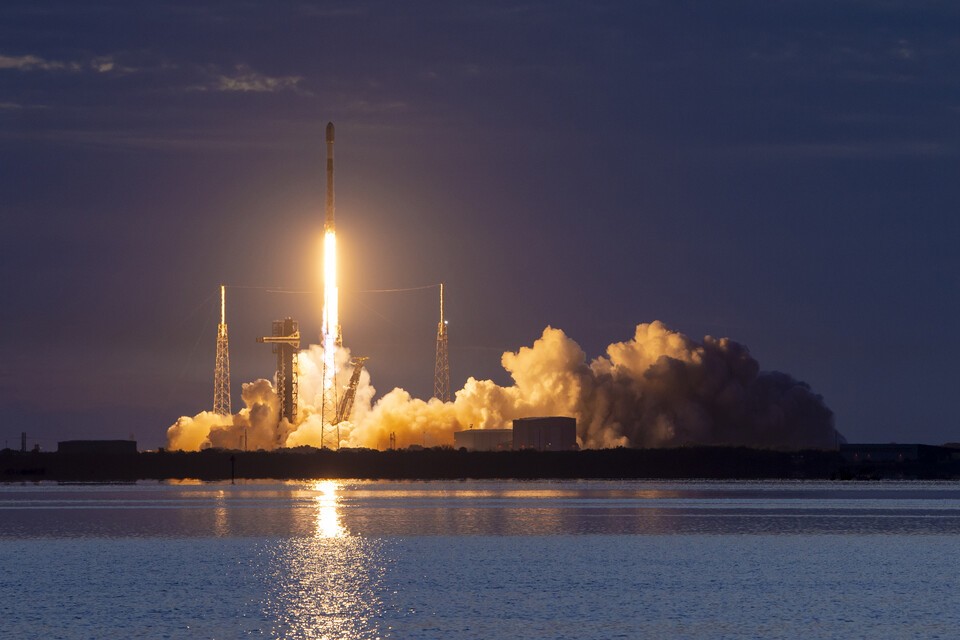
SpaceX’s stock chart has resembled a roller coaster. After debuting on the exchange on June 12 at an IPO price of $135 in the largest IPO ever, the stock soared intraday to $225.64. Investor enthusiasm was fueled by the listing of a leading space company built around reusable rockets and Starlink, its satellite communications service.
At one point, the company’s market value surpassed Microsoft and Amazon, and CEO Elon Musk, who holds about 38% of the shares, briefly became the world’s first “trillionaire” on listing day with a net worth above $1 trillion.
But the gains vanished in just over a month. As investor sentiment cooled, the stock slipped below the IPO price, and during the earnings release on Aug. 4, stronger-than-expected revenue was overshadowed by the cost burden of massive investment spending, adding fuel to the decline. Musk’s net worth had also fallen to about $690.1 billion as of Aug. 2.
Over the two months of sharp rises and falls, analysts say the stock is undergoing a correction after being driven up by expectations before being validated by earnings. The tug-of-war between optimism about the space industry’s growth potential and skepticism over whether it can generate cash right now is playing out in the share price.
Questions about its business model are also being cited as a factor behind the correction. SpaceX’s revenue is led by Starlink and rocket-launch services, but as huge amounts are poured into developing the next-generation heavy-lift rocket Starship, the company remains in a spend-as-much-as-it-earns cycle. Analysts say the stock is likely to remain volatile until the market is convinced about when those investments will translate into returns.
Some say the supply overhang is only just beginning. Rather than a standard 180-day simultaneous post-IPO unlock, SpaceX opted to release shares in nine stages through December, and the Aug. 6 unlock was only the first step.
According to Reuters, by Dec. 8 the share of tradable stock will rise to 40% of the total, and by the middle of next year the remaining 60%, including Musk’s stake, will also be fully unlocked.
The staggered release has both advantages and drawbacks, analysts say. It avoids a sudden shock, but it also means potential selling pressure piles up step by step each time shares are unlocked, creating a situation where the supply burden persists for nearly a year. Investors are now facing a calendar with multiple recurring pressure points.
The issue is not just a U.S. story. According to the Korea Securities Depository, through June 26 domestic investors had net purchased about $1.88 billion worth of SpaceX shares, and more than $230 million also flowed into leveraged products that move at twice the stock’s gains and losses.
Because leveraged products double gains when prices rise but also double losses when they fall, risks are especially high in a volatile market that remains below the IPO price.
Experts advise investors not to chase a one-day rebound but to watch the supply schedule. The recommendation is to limit position sizes and respond in installments while checking whether insiders actually file sale disclosures, when the next unlock takes place, and whether quarterly cash flow improves.
They also say the long-term growth story of the space industry should be separated from the short-term burden of share supply. Even if the business outlook remains intact, stock prices can move independently of earnings while shares continue to be unlocked. The direction of the stock will likely depend on when all those newly available shares actually turn into sell orders.