
Samsung Electronics is set to standardize the rear cameras across all Galaxy S27 models at three per device next year. The Ultra model, which had four cameras, will lose its 10-megapixel 3x telephoto camera, while the 50-megapixel 5x folded camera will remain.
Rising demand for memory driven by AI has pushed premium smartphone component costs up by roughly 50% in just one year, and DRAM has become the most expensive single component, overtaking the SoC. The move is seen as a response to chipflation.
By reducing the component count in the Ultra model, which accounts for 46% of sales, Samsung appears to be aiming to ease pressure for price increases at launch. The missing 3x zoom range is expected to be replaced by crop zoom using the 200-megapixel main camera.
For consumers, the change signals the beginning of a trade-off between specifications and price. As long as memory supply shortages persist, the industry is expected to increasingly defend prices by adjusting camera and processor specifications.
Samsung Electronics will unify the rear cameras across the entire Galaxy S27 lineup at three per model next year. One camera will be removed from the Ultra model, which has long kept four rear cameras.
According to the industry on the 2nd, Samsung has shared the S27 camera supply plan with its component partners. The move is interpreted as an attempt to respond to soaring semiconductor and parts prices by reducing parts in the best-selling Ultra model and stabilizing the series’ prices.
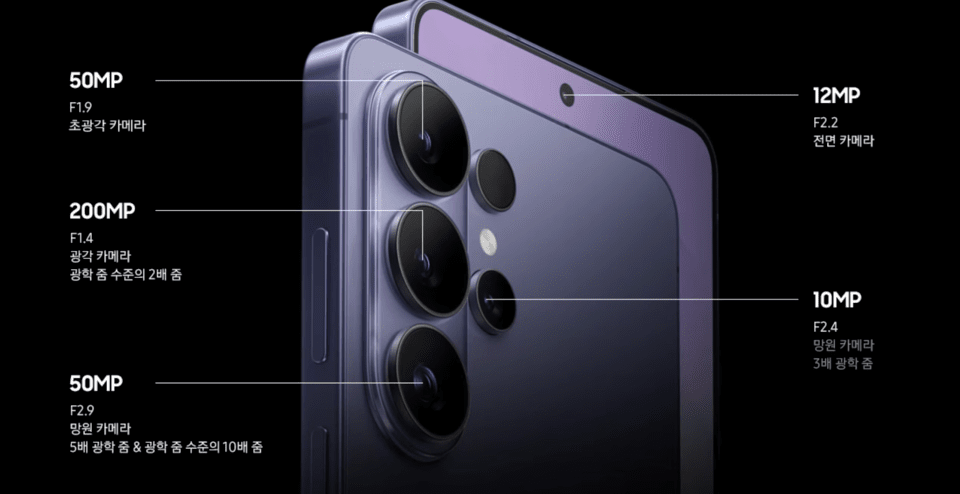
In the Ultra model, the rear camera setup has long been a four-camera combination of main, ultra-wide, 3x telephoto, and 5x periscope lenses.
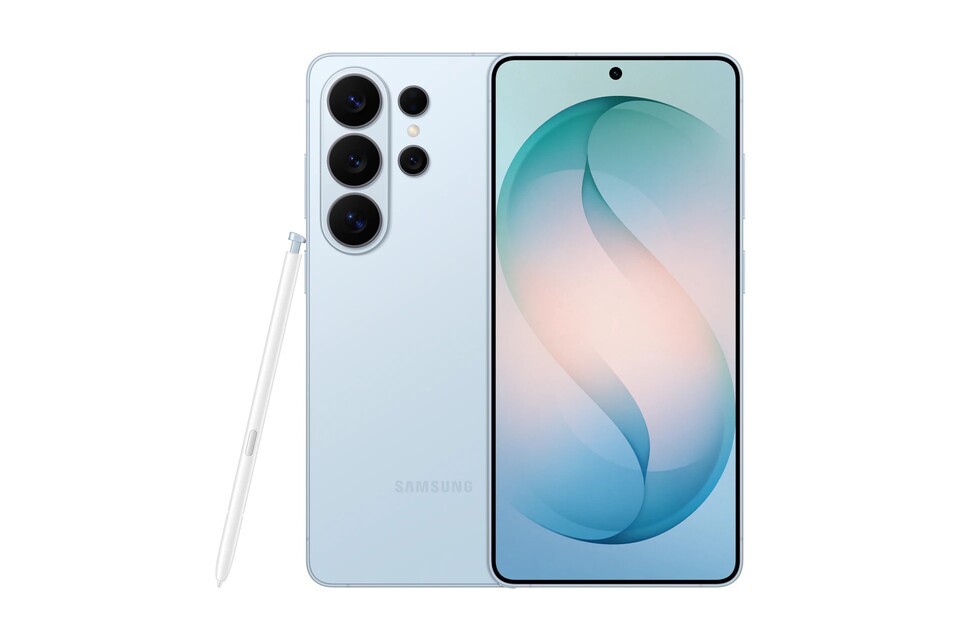
With the Galaxy S27, Samsung will drop the 10-megapixel 3x zoom telephoto camera that has continued since the Galaxy S22 Ultra, while keeping the 50-megapixel 5x zoom folded camera. The S27 Ultra’s rear camera array will consist of a 200-megapixel main camera, a 50-megapixel ultra-wide camera, and a 50-megapixel 5x zoom folded camera.
The newly introduced S27 Pro next year will feature a 12-megapixel 3x zoom telephoto camera. Its rear setup will consist of a 200-megapixel main camera, a 50-megapixel ultra-wide camera, and a 12-megapixel 3x zoom telephoto camera. Samsung Electronics, Samsung Electro-Mechanics, Namuga, Patron, Power Logics, and China’s Sunny Optical are among the suppliers of the rear cameras for the Pro and Ultra models.
The Ultra is the flagship model of the Galaxy S series. According to Counterpoint Research, Ultra accounted for 46% of Galaxy S25 series sales in the global market last year. The calculation appears to be that reducing parts in the best-selling model would yield the greatest cost-cutting effect.
The camera reduction is being analyzed as a response to semiconductor-driven inflation, or chipflation. As demand for high-bandwidth memory (HBM) surged due to AI data center investment, memory makers concentrated their production capacity on HBM. As a result, supply of general-use memory for smartphones tightened and prices soared.
According to Counterpoint Research, component costs for premium smartphones in the second quarter of this year rose by about 50% from a year earlier. DRAM has become the most expensive single component in smartphones, surpassing the SoC, the brain chip. Another estimate showed that the global average smartphone price rose by $94 in one year while shipments declined.
Finished-product prices have also continued to climb. The Galaxy S26 series saw launch prices rise by 6% to 20%, depending on storage capacity, for the first time in three years. Apple CEO Tim Cook has also said the company tried not to pass memory price increases on to customers, but the burden has become too great to absorb any longer. Analysts say this has led to efforts to offset rising memory costs by trimming other components, which in turn has affected camera specifications.
Counterpoint Research also found that component costs for midrange smartphones rose 52% year on year, with memory accounting for 40% of total costs. In the midrange segment, companies first began cutting processor and camera specifications.
An industry official in the electronics components sector said, “Camera technology has reached a point of saturation in terms of image quality,” adding, “Given the severe pressure on manufacturing costs, it appears this decision was made to reduce expenses.”
The missing 3x zoom range is expected to be compensated for through software. Analysts say that combining AI correction with crop zoom that uses part of the 200-megapixel main sensor could provide a certain level of zoom quality without a separate telephoto lens. There is also speculation that the internal space freed by removing a camera module could be used to enlarge the battery.
However, some argue that the 3x field of view is highly useful for portraits and everyday shooting, making it difficult to fully replace optical zoom. There is also concern that if specification adjustments lead to a noticeable drop in perceived quality, the effect of defending the price could be undermined.
For consumers, the situation can be read as one in which they are being offered a choice between specifications and price. There is also a view that purchasing criteria may shift toward practical factors such as actual camera performance and battery life rather than the number of cameras, if the price remains the same.
As memory shortages are widely expected to persist for the time being, the strategy of defending launch prices by adjusting camera and processor specifications is likely to spread across manufacturers.