
Seoul City announced on the 24th that its late-night transportation measures to address the increased year-end demand for citizen mobility proved effective, as there were hardly any taxi shortages during late-night hours. The availability of taxis improved, and the use of late-night buses increased compared to the previous year.
The city implements expanded taxi and bus supply measures during late-night hours (23:00~02:00) every year to accommodate the surge in travel demand due to year-end gatherings. This year, the city increased the taxi supply by 1,000 compared to the previous month, bringing the total to 24,500 taxis. City buses extended their operations until 01:00, in line with the subway end times, while additional ‘owl buses (N buses)’ were also in operation.
To expand the supply of late-night taxis, private and corporate taxi associations were encouraged to operate, and drivers were incentivized with platform call bonuses ranging from 3,000 to 5,000 KRW. Seoul City and the taxi industry have set up ‘temporary taxi stands’ in four major areas, including Gangnam, Hongdae, and Jongno, from 23:00 to 01:00 on Thursdays and Fridays.
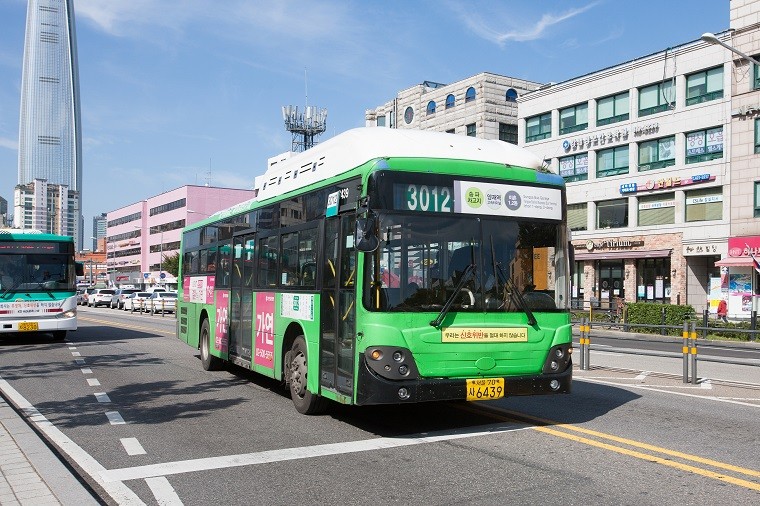
For buses, from December 15th to the end of the month, Seoul extended the last bus times to 01:00 for 87 routes with a total of 1,931 buses passing through 11 major points (e.g., Hongdae, Gangnam). Additionally, 28 owl buses on 14 routes were added to improve late-night public transportation accessibility.
The analysis of taxi operation results for Thursdays and Fridays during December 1-3 weeks late-night hours (23:00~02:00) showed the number of taxi operations increased by about 300 from the same period last year (23,773) to 24,086. However, the number of taxi rides decreased by 388 compared to the previous year (47,320 rides), amounting to 46,932. The city believes this decrease in late-night taxi usage may be due to the recent economic downturn and the growing trend of returning home earlier.
In contrast, late-night bus usage increased. The number of owl bus passengers in December reached 128,767, an increase of 9.1% from the same period last year (118,003). The city analyzed that the relatively lower cost of late-night buses compared to taxis helped disperse citizen mobility demand.
However, some areas experienced temporary supply-demand imbalances as taxi demand concentrated at specific times. Seoul City urged citizens to check taxi availability in advance and, if possible, use public transportation like late-night buses in conjunction.
Additionally, Seoul City pointed out the difficulty in policy-making due to the lack of ride success rate data by time and region from platform companies, even though most taxi calls are made via apps. The city has proposed to the Ministry of Land, Infrastructure and Transport to amend the ‘Passenger Transport Service Act’ to establish a basis for platform data provision.
Yeo Jang-kwon, the director of Seoul’s transportation department, stated, “We will continue to fulfill the late-night transport expansion plan prepared for the end of the year without any setbacks,” and added, “Based on accumulated data, we aim to provide smarter and denser late-night transportation services next year.”